Mobile communications of the future: How tokens are changing networks
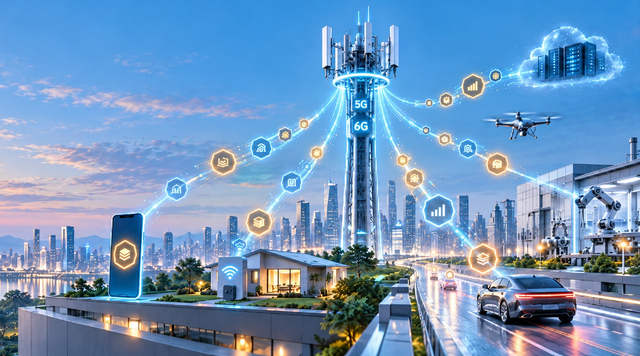
The way we use and pay for our mobile networks is on the verge of change. Experts are currently discussing the use of so-called "tokens" in the telecommunications industry intensively. In the future, these digital units could serve as a new currency to make data exchange and the use of network capacities more efficient.
For Swiss users, this could mean that mobile services become more flexible. Instead of paying for classic subscriptions with fixed monthly fees, customers could purchase tokens in the future. These tokens make it possible to use exactly the amount of data or network performance that is actually needed. This could be particularly interesting for people who travel a lot or whose data consumption fluctuates significantly.
Technically speaking, these tokens are based on blockchain technology. They enable direct and secure billing between different providers. For example, if a Swiss mobile provider uses capacity from an international partner, billing can take place automatically and in real time via these digital units. This reduces bureaucratic effort and could lower costs for end customers in the long term.
Tokens could also offer advantages for network security. Since every transaction is stored in a digital database, the process is transparent and tamper-proof. Companies are currently working on standards so that this new currency will soon be accepted in various networks worldwide. However, it remains to be seen how quickly this technology will become established in the everyday lives of the Swiss population.
In summary, the introduction of tokens could fundamentally change the mobile communications market. While the technology is still in the development phase, it shows the potential for a more flexible and efficient digital life. The coming years will show whether this new form of currency will replace the conventional mobile phone contract.