Why livestock farming is so important for Switzerland
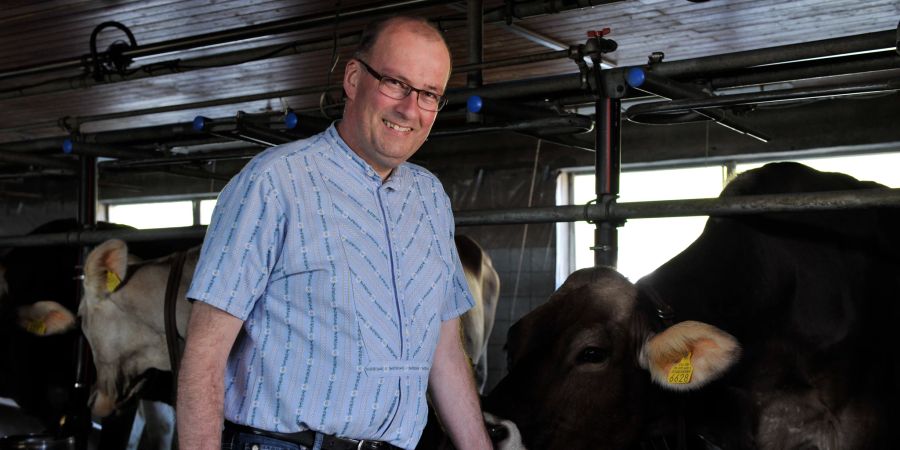
Markus Ritter, President of the Swiss Farmers' Union, recently commented on the importance of livestock farming in Switzerland. In his latest article, he emphasizes that animals are an integral part of Swiss agriculture and culture.
A central point of his argument is the country's geographical location. Ritter explains that due to its topographical conditions, Switzerland is not a typical arable farming region. The many mountain regions and steep meadows are not suitable for growing grain or vegetables, but offer ideal conditions for grazing animals.
By keeping cows, sheep, and goats, these areas can be used efficiently. The animals convert grass, which is inedible to humans, into high-quality food such as milk and meat. Without this form of agriculture, many areas in the Alps would become overgrown or wild.
Furthermore, livestock farming plays an important role in Switzerland's food security. Ritter is convinced that Switzerland would not be what it is today without its livestock. Agriculture not only shapes the landscape but also secures the supply of regional products for the population.
In conclusion, Ritter emphasizes that Swiss agriculture must continue to rely on a combination of arable farming and livestock breeding in the future. This is the only way the country can sustainably manage its agricultural land and preserve the typical Swiss cultural landscape for future generations.