News Summary: Diplomatic Movements, Field Tensions, and Humanitarian Challenges in the Region
Global markets saw notable movements today, as oil prices fell and Asian stocks rose amid hopes for an agreement between the United States and Iran to open the Strait of Hormuz. However, U.S. President Donald Trump tempered these expectations, indicating that he asked negotiators not to rush into a deal, despite growing pressure and criticism regarding the nature of this potential agreement.
In Lebanon, Israeli raids continued to target areas in the south and east despite talk of a ceasefire. For his part, U.S. Secretary of State Marco Rubio accused Hezbollah of trying to drag the country into chaos once again. In contrast, the leader of Hezbollah expressed hope that any agreement between Iran and the United States would lead to a calming of the tense situation in the region.
On the humanitarian front, Australian activists returned to their country after being detained by Israel while participating in an aid flotilla heading to the Gaza Strip. These activists claimed they were subjected to ill-treatment during their detention. In a related context, a group of Arab and Islamic countries strongly condemned the actions of the far-right Israeli National Security Minister toward the participants in this flotilla.
As for Iran, the ongoing war has significantly affected the education sector, where students have been forced to follow their lessons online for three months. Iranian families face great challenges in securing their children's education under difficult security conditions, adding a new burden on citizens suffering from the repercussions of the conflict.
In Mecca, pilgrims face a severe heatwave while performing Hajj rituals. Pilgrims use large fans and ice to mitigate the scorching sun's heat, as many of them, like pilgrim Enas Jamal, were forced to change their plans and stay in shaded areas or inside the Grand Mosque to avoid severe heat exhaustion.
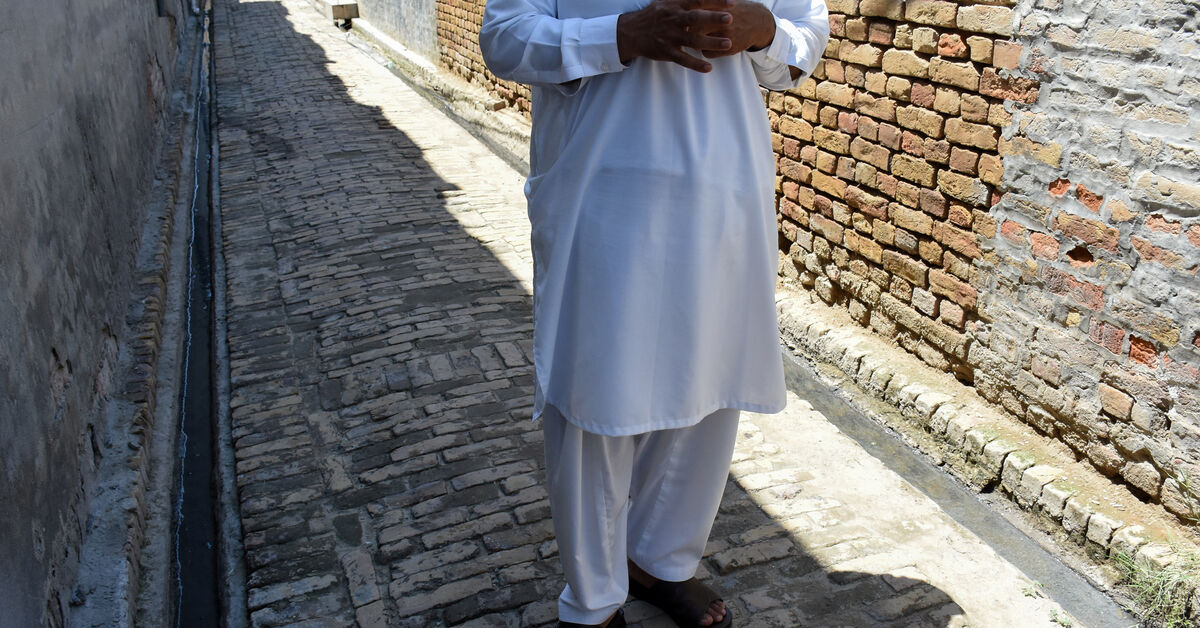
Finally, more than a hundred Pakistani citizens from the Shia community returned to their villages in the Chakwal region after being deported from the United Arab Emirates. These workers face difficult living conditions after losing their jobs and having their financial savings frozen abroad, leaving them and their families in a state of anxiety about their economic future.