Diplomatic and Field Developments in the Middle East: Agreement Between Washington and Tehran and Airstrikes on Beirut
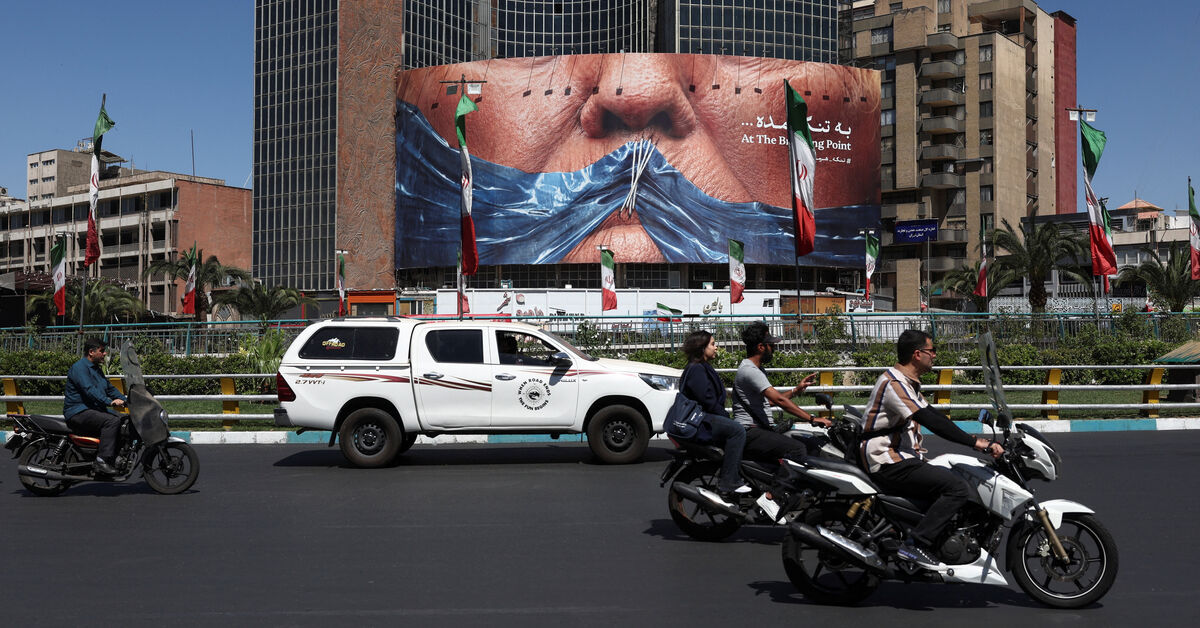
The United States and Iran have reached a preliminary agreement to extend the ceasefire for an additional 60 days. This agreement, which took the form of a memorandum of understanding, aims to pave the way for the start of new negotiations between the two parties. However, this agreement still awaits final approval from President Donald Trump to officially take effect.
Despite these diplomatic efforts, Washington and Tehran exchanged accusations of violating the current truce following an exchange of fire on Thursday. These field tensions come three months after the outbreak of the conflict in the Middle East, placing significant pressure on regional stability.
In Lebanon, the Israeli army carried out an airstrike targeting a residential building in the southern suburbs of Beirut, marking the first time the area near the capital has been subjected to a raid in weeks. Lebanese sources reported that the recent series of Israeli strikes resulted in the deaths of 14 people, increasing fears of escalation on the Lebanese front.
On the level of international sanctions, the European Union imposed new sanctions targeting four entities and three individuals for violations against Palestinians in the West Bank; the sanctions also included members of the Hamas political bureau. In a related context, the U.S. Department of the Treasury announced the removal of 76 names, entities, and vessels from its sanctions blacklist, in a step it said aims to enhance and strengthen the current sanctions program.
Regarding the security of waterways, the United States issued a warning to the Sultanate of Oman regarding the necessity of not interfering in any attempts to impose transit fees in the Strait of Hormuz. This strait is a global strategic passage, and Washington fears that any additional fees would affect international trade and energy transport.
In Israel, the director of Ben Gurion International Airport stated that U.S. military air traffic is negatively affecting commercial activity at the country's main airport. He explained that the airport is currently operating at only about one-third of its capacity due to the current security situation. Finally, a report indicated the growth of Chinese commercial activity in Syria despite Beijing's concerns about the presence of "Uyghur" fighters there, as China benefits from the absence of strong Western competition in the Syrian market.