News Summary: Diplomatic Agreements and Field Tensions in the Middle East and the World
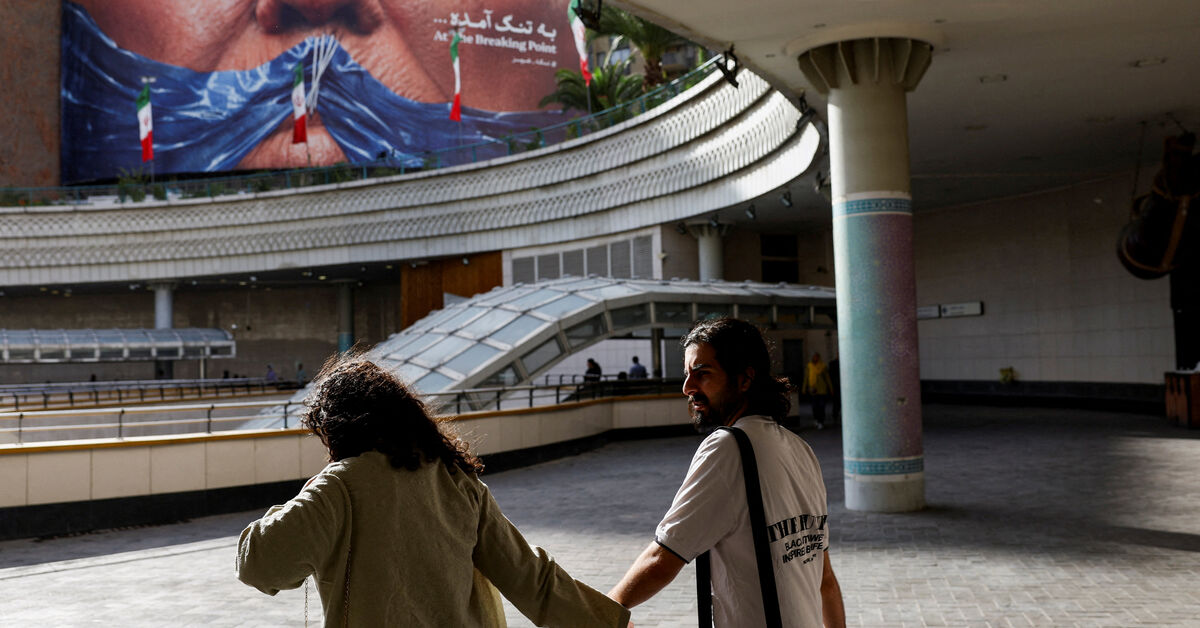
Negotiators from the United States and Iran have reached a preliminary agreement to extend the ceasefire for 60 days. However, this agreement still awaits final approval from U.S. President Donald Trump. Trump currently finds himself in a difficult position, facing significant pressure to make a decision regarding ending the war, while his options for political maneuvering are narrowing.
In a related context, the U.S. Department of the Treasury announced the imposition of new sanctions targeting Iranian military oil trade. This step comes at a very sensitive time, as both parties attempt to reach diplomatic understandings, reflecting continued tension despite the existence of a draft ceasefire agreement.
On another front, Israeli Prime Minister Benjamin Netanyahu issued instructions to the Israeli army to expand its control in the Gaza Strip to reach 70% of the area. This move aims to strengthen Israeli field control amidst the continuation of intensive military operations in the region.
In a notable diplomatic development, Israel announced it is cutting all contacts with United Nations Secretary-General António Guterres. This decision followed reports of Israel being included on a "blacklist" related to sexual violence, which the Israeli ambassador described as "shameful" and unacceptable.
In Europe, an Austrian court sentenced a 21-year-old man to 15 years in prison. The young man confessed to planning a terrorist attack targeting a concert by international singer Taylor Swift, an attack that was thwarted by authorities before it could take place.
Finally, the Syrian Ministry of Energy warned of rising water levels in the Euphrates River, which has led to flooding in northern and eastern parts of the country. The causes of these floods are attributed to the increased flow of water from neighboring countries, threatening residents, agricultural crops, and energy infrastructure in those areas.