Rapid Political and Humanitarian Developments in the Middle East and Ongoing International Tensions
Reports from international non-governmental organizations indicate that the humanitarian situation in the Gaza Strip remains catastrophic, more than six months after the United Nations-approved peace plan. These organizations warned of the continued suffering of civilians and the lack of basic resources, which significantly increases the difficulty of daily life there.
In Lebanon, Lebanese citizens accused Israel of completely destroying their border towns and wiping them off the map. Lebanese families are currently collecting photos and videos to document the history of their villages, which are subject to continuous shelling, fearing the loss of their identity and memories as a result of the ongoing conflict on the southern border.
On the political front, the United States imposed new sanctions targeting nine individuals linked to Hezbollah, including the designated Iranian ambassador. For the first time, the sanctions included officials in the Lebanese army and intelligence on charges of assisting the party, which represents a strong warning to the Lebanese government and threatens to freeze funding allocated to the armed forces there.
Regarding the Iranian file, Republican leaders in the U.S. House of Representatives abruptly canceled a vote on war powers against Iran. At the same time, the two sides are exchanging mixed signals regarding the issue of uranium enrichment, while U.S. Secretary of State Marco Rubio prepares to inform NATO allies of President Trump's disappointment with their stance toward Tehran.
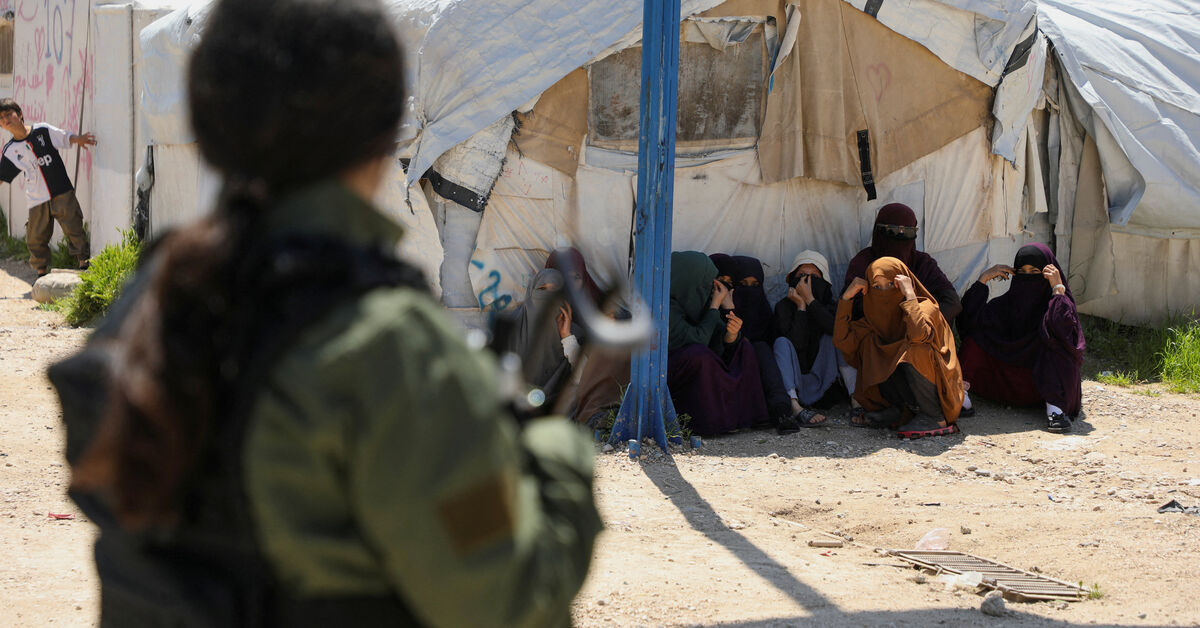
On another note, a second group of Australian women and children linked to ISIS left a refugee camp in northern Syria to return to their country. In a different context, Washington clarified that the removal of UN expert Francesca Albanese from the sanctions list is a temporary technical measure and not a change in U.S. policy toward the Palestinian territories.
Finally, farmers in Morocco face difficult economic challenges; despite heavy rainfall that promised a good harvest season, production costs have risen significantly due to the repercussions of the war in the Middle East. This rise in costs has shattered farmers' hopes of achieving profits to compensate for previous years of drought.