Diplomatic and Field Developments in the Middle East: Between Iran Negotiations and the Situation in Gaza
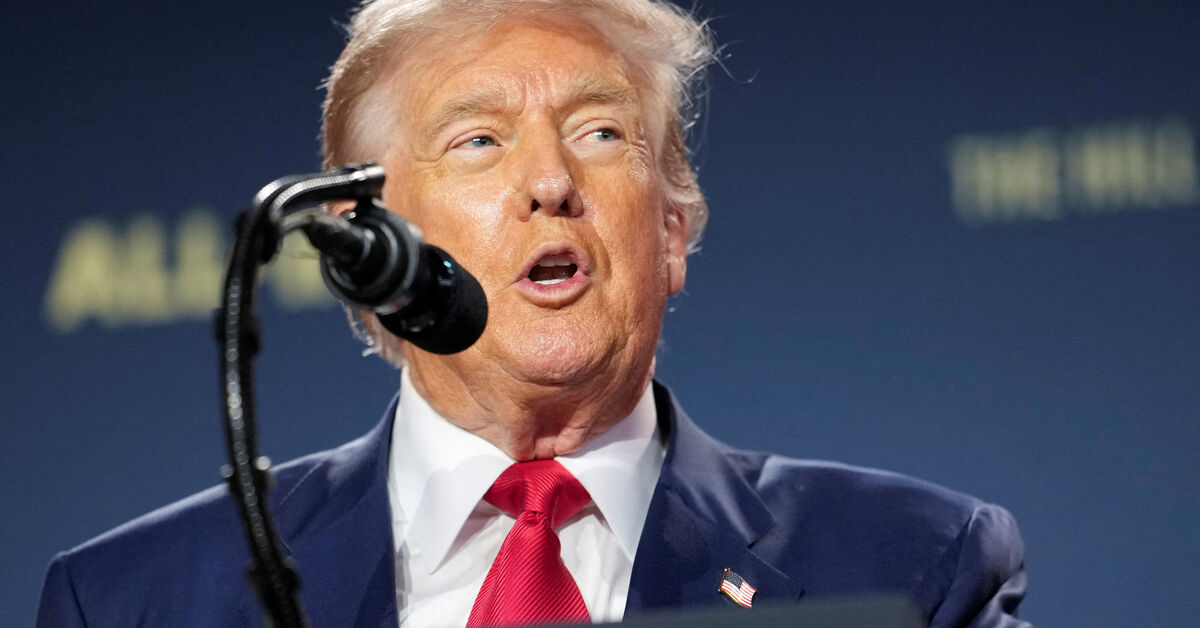
U.S. President Donald Trump stated that the United States has not yet reached an agreement that satisfies it with Iran, despite saying that Tehran strongly desires to conclude a new deal. In a related context, the White House strongly denied Iranian state television reports that spoke of a draft understanding providing for the withdrawal of U.S. forces from Iran's borders in exchange for opening the Strait of Hormuz, as U.S. officials described these reports as "pure fabrication" and baseless.
For its part, Iranian media reported that Tehran is ready to return navigation in the Strait of Hormuz to its normal levels within one month if certain conditions are approved. At the same time, shipping reports spotted an oil tanker belonging to the Chinese "COSCO" group crossing the Strait of Hormuz, but experts point out that the movement of oil tankers in the region remains limited and cautious due to political tensions.
On the human rights front, the United Nations expressed its deep concern over the killing of Palestinians in the Gaza Strip near the military armistice line. The international organization explained that about a third of the Palestinians killed since the October truce fell in areas near the border, raising significant concerns about the protection of civilians in those sensitive areas.
Regarding Iranian internal affairs, authorities have begun restoring internet service to the country after a long outage that lasted for nearly three months. Despite the return of connectivity, the reactions of Iranians were lukewarm, as many complained about the poor quality of the connection and the instability of the service, describing the transition from a total outage to weak service as a change from "the worst to bad."
In Washington, the U.S. administration has taken a decision to extend "Temporary Protected Status" for Lebanese citizens present in the United States until November. This decision allows thousands of Lebanese to stay and work legally, protecting them from deportation in light of the ongoing crises their country is currently facing.
Finally, military tensions in the region have affected global markets, as Canada has begun shifting its aluminum exports from the United States toward Europe. This economic shift comes to take advantage of high prices in European markets, illustrating how fears of a war breaking out with Iran are leading to changes in international trade routes.