Lebanese document memories of their destroyed villages in the South to preserve their history
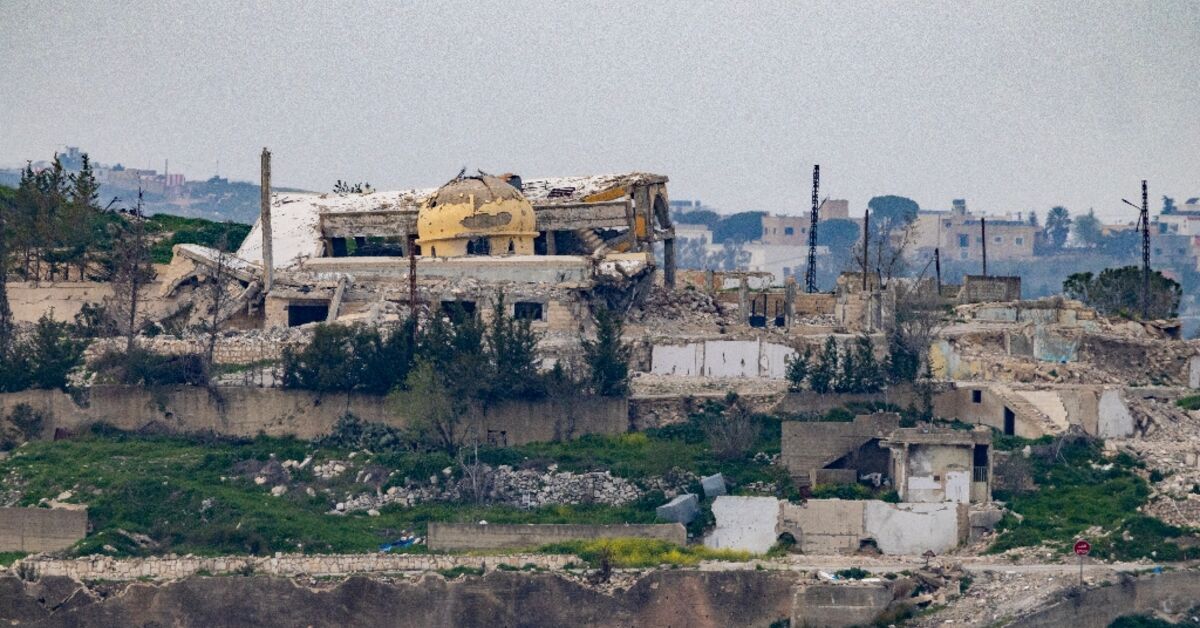
South Lebanon is witnessing a major military escalation that has led to widespread destruction in many border villages and towns. Local residents accuse the Israeli army of following a policy aimed at completely wiping the features of their villages off the map, altering the geographical and demographic landscape of the region they have known for many years.
In light of this difficult reality, individual initiatives by residents have begun to preserve the identity of their areas. Hala Farah, a Lebanese mother of two, is currently collecting old photos and videos of her town. Through this work, Hala aims to document the way of life and the buildings before they were destroyed, fearing the loss of the place's memory for future generations.
Field reports indicate that aerial and artillery shelling have not only targeted residential homes but have also affected infrastructure and public facilities in border villages. This level of destruction has made returning to these areas extremely complex, as entire neighborhoods have been turned into rubble, complicating the reconstruction process in the near future.
For many displaced people, these houses do not represent just walls; they are a repository of memories and deep-rooted social relationships. For them, the loss of villages means losing a part of their cultural identity and connection to the land, which drives many to cling to any photos or documents that prove the existence of their villages before the war.
In conclusion, the hope remains for the residents of the South to return one day to their homes and rebuild them. Until that is achieved, digital initiatives to collect photos remain the only means available to them to ensure that their villages, which once pulsed with life and activity, are not forgotten.