Tensions and Diplomacy: Latest Developments in the Conflict with Iran and Other Global News
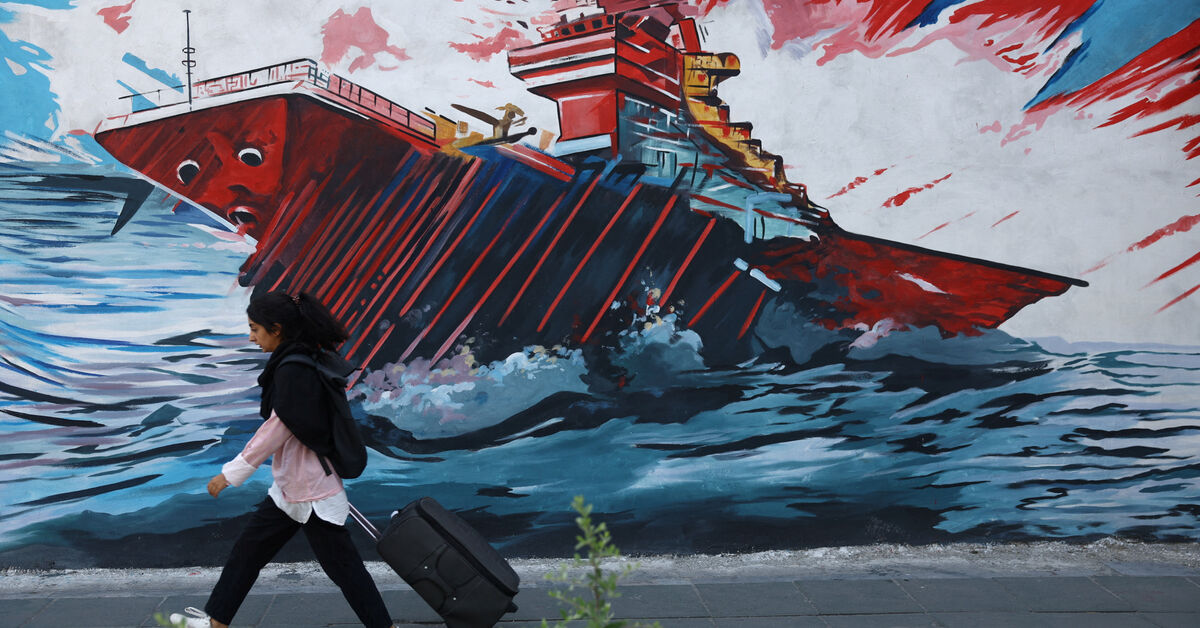
The region is witnessing significant tensions as the conflict between the United States and Iran continues. American media reports indicate that Washington is currently considering launching new military strikes against Iran. This comes at a time when President Donald Trump faces questions regarding his strategy three months after the start of military operations, as some analysts believe that military victories have not yet achieved the desired political objectives.\n\nIn the context of diplomatic efforts, the Chief of the Pakistani Army arrived in Tehran on Friday to play a mediation role. This visit aims to discuss a new American peace proposal to end the war in the Middle East. International parties are awaiting the Iranian response to this proposal, which could change the course of events in the region and put an end to the ongoing fighting.\n\nDue to these sensitive circumstances, President Trump confirmed that he will not attend his son's wedding, noting the necessity of his presence in Washington to follow government issues and negotiations related to Iran. This decision reflects the extent to which the American administration is preoccupied with the current crisis and its direct impact on the President's schedule and personal commitments.\n\nOn the global economic front, World Bank documents revealed that 27 countries have begun searching for financial tools to confront crises. These countries aim to secure rapid access to emergency funds due to the economic repercussions resulting from the war with Iran, demonstrating growing international concern over the continuation of this conflict and its negative impact on global financial stability.\n\nRegarding relations with Taiwan, an informed source clarified that American arms sales to Taiwan are unrelated to the current war with Iran. The source noted that these deals take years of planning and processing and are part of long-term defense commitments between Washington and Taipei, rather than being linked to recent military developments in the Middle East.\n\nIn news concerning the American administration, Tulsi Gabbard, the Director of National Intelligence, announced her sudden resignation from her post. Gabbard explained in her resignation letter that she made this decision to spend more time with her husband, who was diagnosed with cancer, leaving a vacancy in one of the most important security positions in the United States at a sensitive time.\n\nAs for the human rights file, the lawyer for activist Mahmoud Khalil, a Columbia University graduate, pledged to appeal to the U.S. Supreme Court to avoid his re-arrest in a case that is drawing the attention of human rights defenders. In a related context, French pro-Palestinian activists returned to their country after being deported by Israeli forces, describing their detention conditions as a violent and humiliating experience.
The region is witnessing significant tensions as the conflict between the United States and Iran continues. American media reports indicate that Washington is currently considering launching new military strikes against Iran. This comes at a time when President Donald Trump faces questions regarding his strategy three months after the start of military operations, as some analysts believe that military victories have not yet achieved the desired political objectives.\n\nIn the context of diplomatic efforts, the Chief of the Pakistani Army arrived in Tehran on Friday to play a mediation role. This visit aims to discuss a new American peace proposal to end the war in the Middle East. International parties are awaiting the Iranian response to this proposal, which could change the course of events in the region and put an end to the ongoing fighting.\n\nDue to these sensitive circumstances, President Trump confirmed that he will not attend his son's wedding, noting the necessity of his presence in Washington to follow government issues and negotiations related to Iran. This decision reflects the extent to which the American administration is preoccupied with the current crisis and its direct impact on the President's schedule and personal commitments.\n\nOn the global economic front, World Bank documents revealed that 27 countries have begun searching for financial tools to confront crises. These countries aim to secure rapid access to emergency funds due to the economic repercussions resulting from the war with Iran, demonstrating growing international concern over the continuation of this conflict and its negative impact on global financial stability.\n\nRegarding relations with Taiwan, an informed source clarified that American arms sales to Taiwan are unrelated to the current war with Iran. The source noted that these deals take years of planning and processing and are part of long-term defense commitments between Washington and Taipei, rather than being linked to recent military developments in the Middle East.\n\nIn news concerning the American administration, Tulsi Gabbard, the Director of National Intelligence, announced her sudden resignation from her post. Gabbard explained in her resignation letter that she made this decision to spend more time with her husband, who was diagnosed with cancer, leaving a vacancy in one of the most important security positions in the United States at a sensitive time.\n\nAs for the human rights file, the lawyer for activist Mahmoud Khalil, a Columbia University graduate, pledged to appeal to the U.S. Supreme Court to avoid his re-arrest in a case that is drawing the attention of human rights defenders. In a related context, French pro-Palestinian activists returned to their country after being deported by Israeli forces, describing their detention conditions as a violent and humiliating experience.
The region is witnessing significant tensions as the conflict between the United States and Iran continues. American media reports indicate that Washington is currently considering launching new military strikes against Iran. This comes at a time when President Donald Trump faces questions regarding his strategy three months after the start of military operations, as some analysts believe that military victories have not yet achieved the desired political objectives.\n\nIn the context of diplomatic efforts, the Chief of the Pakistani Army arrived in Tehran on Friday to play a mediation role. This visit aims to discuss a new American peace proposal to end the war in the Middle East. International parties are awaiting the Iranian response to this proposal, which could change the course of events in the region and put an end to the ongoing fighting.\n\nDue to these sensitive circumstances, President Trump confirmed that he will not attend his son's wedding, noting the necessity of his presence in Washington to follow government issues and negotiations related to Iran. This decision reflects the extent to which the American administration is preoccupied with the current crisis and its direct impact on the President's schedule and personal commitments.\n\nOn the global economic front, World Bank documents revealed that 27 countries have begun searching for financial tools to confront crises. These countries aim to secure rapid access to emergency funds due to the economic repercussions resulting from the war with Iran, demonstrating growing international concern over the continuation of this conflict and its negative impact on global financial stability.\n\nRegarding relations with Taiwan, an informed source clarified that American arms sales to Taiwan are unrelated to the current war with Iran. The source noted that these deals take years of planning and processing and are part of long-term defense commitments between Washington and Taipei, rather than being linked to recent military developments in the Middle East.\n\nIn news concerning the American administration, Tulsi Gabbard, the Director of National Intelligence, announced her sudden resignation from her post. Gabbard explained in her resignation letter that she made this decision to spend more time with her husband, who was diagnosed with cancer, leaving a vacancy in one of the most important security positions in the United States at a sensitive time.\n\nAs for the human rights file, the lawyer for activist Mahmoud Khalil, a Columbia University graduate, pledged to appeal to the U.S. Supreme Court to avoid his re-arrest in a case that is drawing the attention of human rights defenders. In a related context, French pro-Palestinian activists returned to their country after being deported by Israeli forces, describing their detention conditions as a violent and humiliating experience.
The region is witnessing significant tensions as the conflict between the United States and Iran continues. American media reports indicate that Washington is currently considering launching new military strikes against Iran. This comes at a time when President Donald Trump faces questions regarding his strategy three months after the start of military operations, as some analysts believe that military victories have not yet achieved the desired political objectives.\n\nIn the context of diplomatic efforts, the Chief of the Pakistani Army arrived in Tehran on Friday to play a mediation role. This visit aims to discuss a new American peace proposal to end the war in the Middle East. International parties are awaiting the Iranian response to this proposal, which could change the course of events in the region and put an end to the ongoing fighting.\n\nDue to these sensitive circumstances, President Trump confirmed that he will not attend his son's wedding, noting the necessity of his presence in Washington to follow government issues and negotiations related to Iran. This decision reflects the extent to which the American administration is preoccupied with the current crisis and its direct impact on the President's schedule and personal commitments.\n\nOn the global economic front, World Bank documents revealed that 27 countries have begun searching for financial tools to confront crises. These countries aim to secure rapid access to emergency funds due to the economic repercussions resulting from the war with Iran, demonstrating growing international concern over the continuation of this conflict and its negative impact on global financial stability.\n\nRegarding relations with Taiwan, an informed source clarified that American arms sales to Taiwan are unrelated to the current war with Iran. The source noted that these deals take years of planning and processing and are part of long-term defense commitments between Washington and Taipei, rather than being linked to recent military developments in the Middle East.\n\nIn news concerning the American administration, Tulsi Gabbard, the Director of National Intelligence, announced her sudden resignation from her post. Gabbard explained in her resignation letter that she made this decision to spend more time with her husband, who was diagnosed with cancer, leaving a vacancy in one of the most important security positions in the United States at a sensitive time.\n\nAs for the human rights file, the lawyer for activist Mahmoud Khalil, a Columbia University graduate, pledged to appeal to the U.S. Supreme Court to avoid his re-arrest in a case that is drawing the attention of human rights defenders. In a related context, French pro-Palestinian activists returned to their country after being deported by Israeli forces, describing their detention conditions as a violent and humiliating experience.
The region is witnessing significant tensions as the conflict between the United States and Iran continues. American media reports indicate that Washington is currently considering launching new military strikes against Iran. This comes at a time when President Donald Trump faces questions regarding his strategy three months after the start of military operations, as some analysts believe that military victories have not yet achieved the desired political objectives.\n\nIn the context of diplomatic efforts, the Chief of the Pakistani Army arrived in Tehran on Friday to play a mediation role. This visit aims to discuss a new American peace proposal to end the war in the Middle East. International parties are awaiting the Iranian response to this proposal, which could change the course of events in the region and put an end to the ongoing fighting.\n\nDue to these sensitive circumstances, President Trump confirmed that he will not attend his son's wedding, noting the necessity of his presence in Washington to follow government issues and negotiations related to Iran. This decision reflects the extent to which the American administration is preoccupied with the current crisis and its direct impact on the President's schedule and personal commitments.\n\nOn the global economic front, World Bank documents revealed that 27 countries have begun searching for financial tools to confront crises. These countries aim to secure rapid access to emergency funds due to the economic repercussions resulting from the war with Iran, demonstrating growing international concern over the continuation of this conflict and its negative impact on global financial stability.\n\nRegarding relations with Taiwan, an informed source clarified that American arms sales to Taiwan are unrelated to the current war with Iran. The source noted that these deals take years of planning and processing and are part of long-term defense commitments between Washington and Taipei, rather than being linked to recent military developments in the Middle East.\n\nIn news concerning the American administration, Tulsi Gabbard, the Director of National Intelligence, announced her sudden resignation from her post. Gabbard explained in her resignation letter that she made this decision to spend more time with her husband, who was diagnosed with cancer, leaving a vacancy in one of the most important security positions in the United States at a sensitive time.\n\nAs for the human rights file, the lawyer for activist Mahmoud Khalil, a Columbia University graduate, pledged to appeal to the U.S. Supreme Court to avoid his re-arrest in a case that is drawing the attention of human rights defenders. In a related context, French pro-Palestinian activists returned to their country after being deported by Israeli forces, describing their detention conditions as a violent and humiliating experience.
The region is witnessing significant tensions as the conflict between the United States and Iran continues. American media reports indicate that Washington is currently considering launching new military strikes against Iran. This comes at a time when President Donald Trump faces questions regarding his strategy three months after the start of military operations, as some analysts believe that military victories have not yet achieved the desired political objectives.\n\nIn the context of diplomatic efforts, the Chief of the Pakistani Army arrived in Tehran on Friday to play a mediation role. This visit aims to discuss a new American peace proposal to end the war in the Middle East. International parties are awaiting the Iranian response to this proposal, which could change the course of events in the region and put an end to the ongoing fighting.\n\nDue to these sensitive circumstances, President Trump confirmed that he will not attend his son's wedding, noting the necessity of his presence in Washington to follow government issues and negotiations related to Iran. This decision reflects the extent to which the American administration is preoccupied with the current crisis and its direct impact on the President's schedule and personal commitments.\n\nOn the global economic front, World Bank documents revealed that 27 countries have begun searching for financial tools to confront crises. These countries aim to secure rapid access to emergency funds due to the economic repercussions resulting from the war with Iran, demonstrating growing international concern over the continuation of this conflict and its negative impact on global financial stability.\n\nRegarding relations with Taiwan, an informed source clarified that American arms sales to Taiwan are unrelated to the current war with Iran. The source noted that these deals take years of planning and processing and are part of long-term defense commitments between Washington and Taipei, rather than being linked to recent military developments in the Middle East.\n\nIn news concerning the American administration, Tulsi Gabbard, the Director of National Intelligence, announced her sudden resignation from her post. Gabbard explained in her resignation letter that she made this decision to spend more time with her husband, who was diagnosed with cancer, leaving a vacancy in one of the most important security positions in the United States at a sensitive time.\n\nAs for the human rights file, the lawyer for activist Mahmoud Khalil, a Columbia University graduate, pledged to appeal to the U.S. Supreme Court to avoid his re-arrest in a case that is drawing the attention of human rights defenders. In a related context, French pro-Palestinian activists returned to their country after being deported by Israeli forces, describing their detention conditions as a violent and humiliating experience.
The region is witnessing significant tensions as the conflict between the United States and Iran continues. American media reports indicate that Washington is currently considering launching new military strikes against Iran. This comes at a time when President Donald Trump faces questions regarding his strategy three months after the start of military operations, as some analysts believe that military victories have not yet achieved the desired political objectives.\n\nIn the context of diplomatic efforts, the Chief of the Pakistani Army arrived in Tehran on Friday to play a mediation role. This visit aims to discuss a new American peace proposal to end the war in the Middle East. International parties are awaiting the Iranian response to this proposal, which could change the course of events in the region and put an end to the ongoing fighting.\n\nDue to these sensitive circumstances, President Trump confirmed that he will not attend his son's wedding, noting the necessity of his presence in Washington to follow government issues and negotiations related to Iran. This decision reflects the extent to which the American administration is preoccupied with the current crisis and its direct impact on the President's schedule and personal commitments.\n\nOn the global economic front, World Bank documents revealed that 27 countries have begun searching for financial tools to confront crises. These countries aim to secure rapid access to emergency funds due to the economic repercussions resulting from the war with Iran, demonstrating growing international concern over the continuation of this conflict and its negative impact on global financial stability.\n\nRegarding relations with Taiwan, an informed source clarified that American arms sales to Taiwan are unrelated to the current war with Iran. The source noted that these deals take years of planning and processing and are part of long-term defense commitments between Washington and Taipei, rather than being linked to recent military developments in the Middle East.\n\nIn news concerning the American administration, Tulsi Gabbard, the Director of National Intelligence, announced her sudden resignation from her post. Gabbard explained in her resignation letter that she made this decision to spend more time with her husband, who was diagnosed with cancer, leaving a vacancy in one of the most important security positions in the United States at a sensitive time.\n\nAs for the human rights file, the lawyer for activist Mahmoud Khalil, a Columbia University graduate, pledged to appeal to the U.S. Supreme Court to avoid his re-arrest in a case that is drawing the attention of human rights defenders. In a related context, French pro-Palestinian activists returned to their country after being deported by Israeli forces, describing their detention conditions as a violent and humiliating experience.