News Summary: Diplomatic Agreements and Ongoing Tensions in the Middle East and the World
Significant developments have occurred on the international stage, as Israel and Lebanon agreed on a ceasefire on Wednesday. This agreement stipulates a complete cessation of military operations by the Iranian-backed Hezbollah. This decision aims to calm the tense security situation in the region after a period of continuous confrontations.
In the United States, the House of Representatives took a step to restrict President Trump's powers to wage war against Iran, supporting a resolution aimed at halting combat operations. This comes at a time when Secretary of State Marco Rubio stated that the war with Iran has ended, despite the continuation of some airstrikes and mutual military operations.
On the other hand, recent Iranian attacks on Kuwait Airport have created new challenges for the U.S. Navy, which is enforcing a blockade in the region. Secretary Rubio has faced widespread criticism from American lawmakers for his insistence that the war is over, while the region continues to witness security tensions and attacks in the Gulf.
Regarding the nuclear file, a new report warned of increased nuclear risks in Iran following the war. The report indicated that Iran possesses large quantities of uranium enriched to 60%, a level close to that required for manufacturing nuclear weapons, amid restrictions imposed on the access of International Atomic Energy Agency (IAEA) inspectors.
On the diplomatic front, Marco Rubio announced that President Trump will participate in the NATO summit to be held in Turkey next July. In another international context, the United Nations General Assembly elected Austria, Portugal, Trinidad and Tobago, and Zimbabwe to membership in the UN Security Council.
In the Caucasus, Armenian Prime Minister Nikol Pashinyan is seeking a third term in the upcoming elections. Pashinyan enjoys support from the United States and Turkey, as his political plan focuses on achieving peace with Azerbaijan and strengthening relations with international powers.
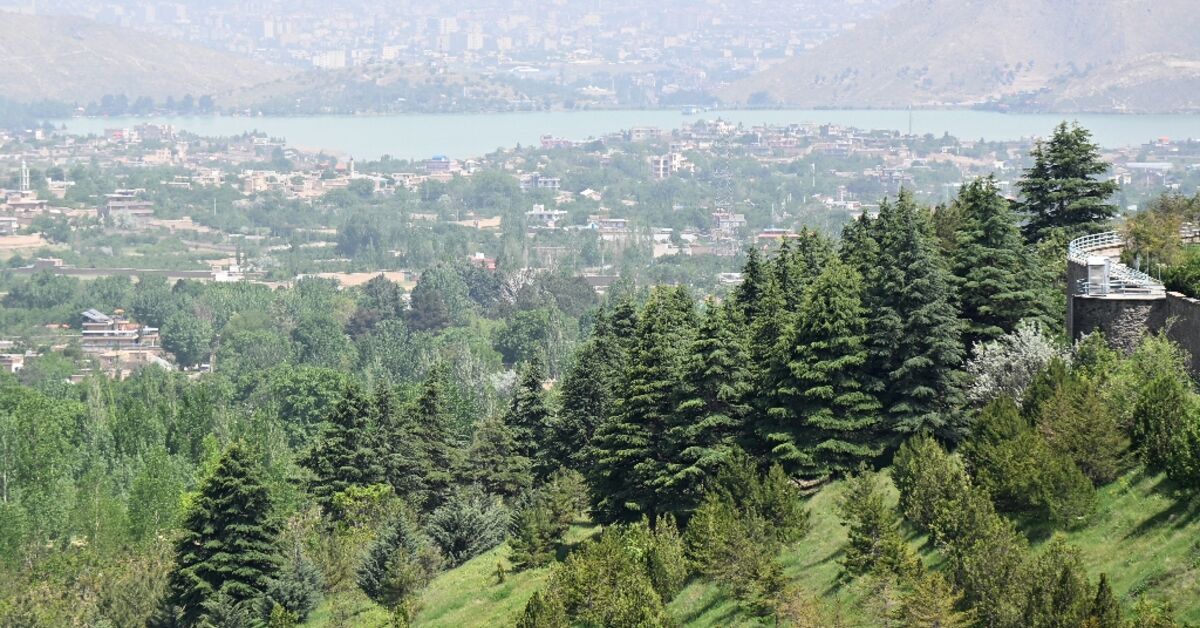
Finally, on the environmental side, residents in northeastern Afghanistan have begun to rediscover the importance of tree planting. Local leaders are spearheading initiatives to plant poplar and pistachio trees, helping to improve the environment and provide new economic opportunities for rural communities suffering from the effects of climate change.