New Agreement Between the United States and Iran: Different Perspectives
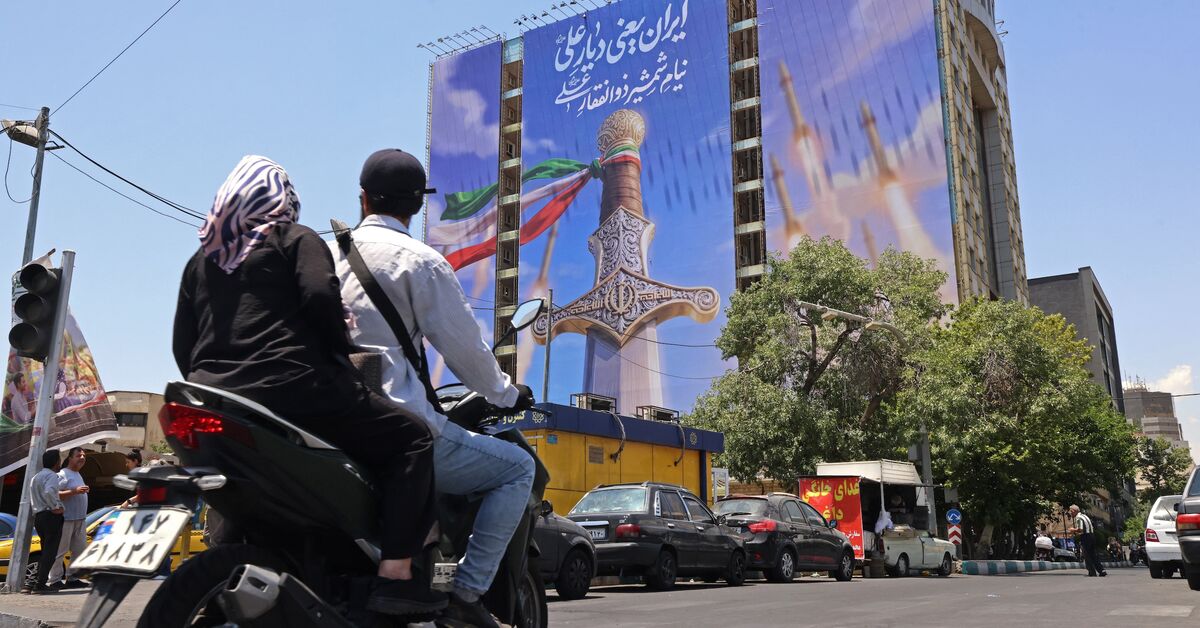
The United States and Iran have begun implementing new understandings aimed at easing the years-long tension between the two countries. This agreement primarily includes a prisoner exchange and the release of some frozen Iranian funds abroad. However, observers note a significant difference in the way each party describes the details of this agreement to the public.
For its part, Washington focuses its statements on the humanitarian aspect of the agreement. U.S. officials stated that the top priority is returning American citizens detained in Iran to their families. The U.S. administration also emphasizes that the released funds will be used only for humanitarian purposes, such as purchasing food and medicine, and will be under strict oversight to ensure they are not used in other areas.
In contrast, the Iranian government presents the agreement as a major diplomatic and economic success. Officials in Tehran believe that recovering the frozen funds is a legitimate right of the Iranian people and an important step toward breaking the siege and economic sanctions. The Iranian narrative asserts that Tehran has full freedom in how to spend these funds according to its needs, which clearly differs from the official narrative in Washington.
Political analysts believe that this contradiction in narratives is due to each government's desire to satisfy its domestic audience and avoid political criticism. In the United States, the government faces pressure regarding how to deal with Tehran, while the Iranian government seeks to demonstrate its strength and ability to achieve economic gains in light of the living crises faced by its citizens.
In conclusion, this agreement represents an important and sensitive step in the course of the complex relations between Washington and Tehran. Despite the difference in the language of discourse between the two parties, the international community hopes that this understanding will lead to greater stability in the region and reduce the chances of confrontation, which may open the door to broader negotiations in the future regarding the nuclear file and other issues.