Rapid Developments in the Middle East: Between Military Escalation and Diplomatic Efforts
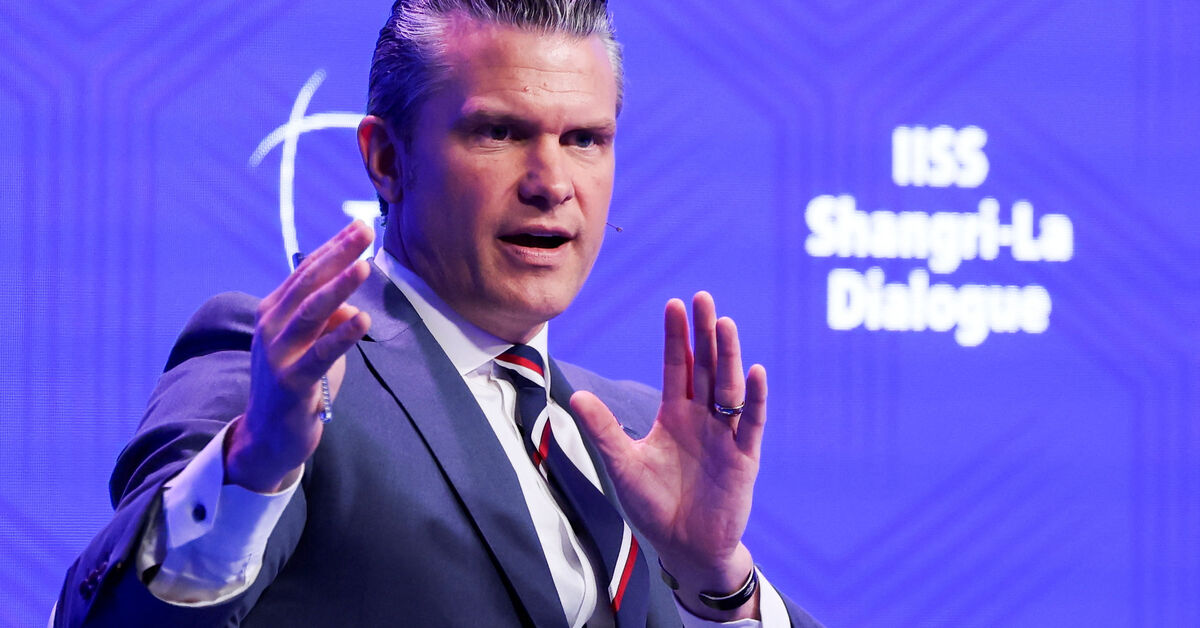
The Middle East is witnessing significant political and military developments, as U.S. President Donald Trump announced that he is in the process of making a final decision regarding a peace agreement with Iran. Meanwhile, U.S. Secretary of Defense Pete Hegseth warned that the United States is prepared to resume attacks on Iran if an agreement is not reached, emphasizing that the military option remains on the table.
On the ground, Israeli Prime Minister Benjamin Netanyahu announced that Israeli forces have pushed deeper into Lebanese territory, reaching positions north of the Litani River. This military escalation comes as part of an expanded ground operation aimed, according to sources, at pressuring the Lebanese government to make concessions in ongoing negotiations.
Despite the continuation of military operations, military delegations from Lebanon and Israel are meeting at the Pentagon in the United States for technical talks. These meetings, mediated by the U.S., aim to discuss border and security issues in an attempt to reach a diplomatic solution to end the ongoing conflict between the two parties.
Regarding the nuclear file, experts point out that Iran's stockpile of highly enriched uranium represents Tehran's strongest leverage in the current negotiations. On the other hand, Trump's team has proposed the idea of creating a $300 billion investment fund dedicated to Iran, in an attempt to use economic incentives and trade deals as a tool to avoid further regional conflicts.
In a related context, the United States has issued new counter-terrorism sanctions targeting individuals and entities linked to Iran. This step underscores the continuation of the U.S. pressure policy, even as discussions take place regarding the possibility of extending the ceasefire and starting comprehensive negotiations on multiple issues.
As for the security situation in southern Lebanon, the Lebanese government is currently seeking to find an alternative international force to replace the United Nations Interim Force in Lebanon (UNIFIL), whose mandate expires at the end of this year. This move comes amid U.S. and Israeli pressure demanding a change in the nature and missions of the international forces present in the region.
Finally, major international organizations, including the International Monetary Fund, the World Bank, and the World Trade Organization, have warned of the economic repercussions of the conflict. The heads of these organizations emphasized that the war in the Middle East is causing significant pressure on global energy supplies, which could lead to market disruptions and negative impacts on global economic growth.