Global Tensions: From Middle East Conflicts to Diplomatic Visits and the War in Ukraine
Relations between the United States and Iran are witnessing significant tension as ambiguity continues regarding a framework agreement to end the conflict. U.S. President Donald Trump warned that he has not yet made a final decision on the Iranian proposal, emphasizing that his country is fully capable of resuming the war if the agreement does not adhere to its strict conditions. In a field development to reinforce this stance, the U.S. military announced that it fired a missile at the engine room of a ship that was attempting to break the blockade imposed on Iranian ports and reach them.
In a related Middle Eastern context, Israel launched new raids on southern Lebanon after issuing evacuation orders for more than ten locations. The Lebanese Prime Minister accused Israel of pursuing a "scorched earth policy" in the south, calling on the international community to intervene to stop the fighting. These attacks come after statements from the Israeli leadership confirming the continuation of military operations in the region to ensure the security of its northern borders.
In Europe, Ukrainian President Volodymyr Zelenskyy warned of a new "massive Russian attack" that Moscow might target his country with in the coming days. This warning comes on day 1557 of the war, and following previous threats from the Kremlin to destroy the capital, Kyiv. International fears persist regarding the escalation of the conflict and its significant impact on stability on the European continent.
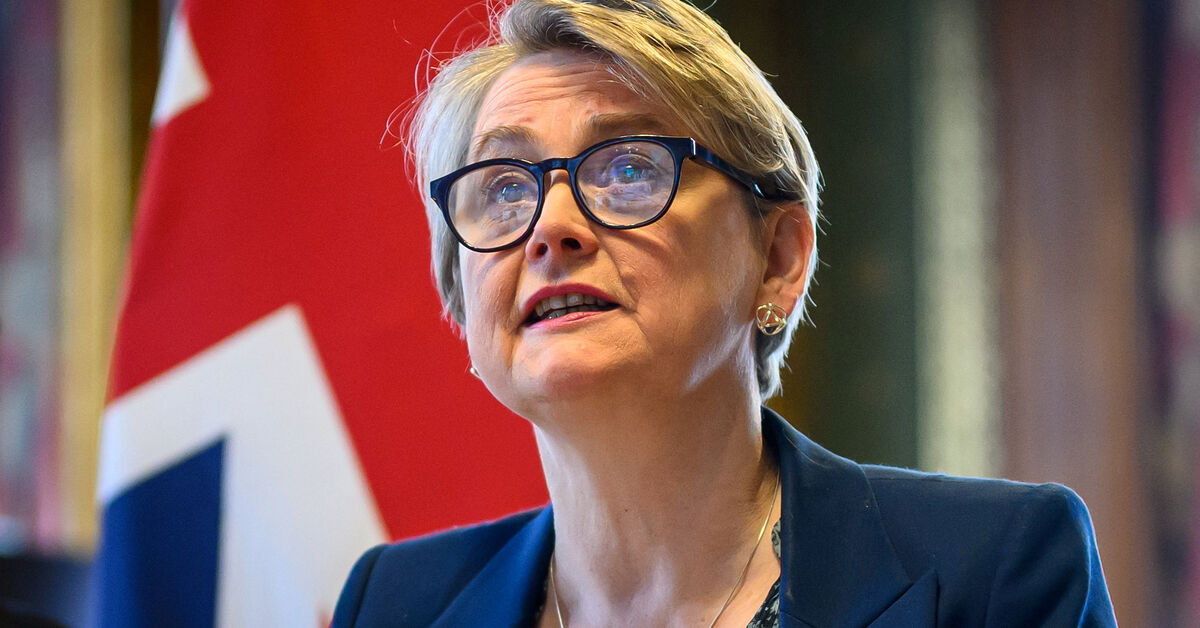
On the diplomatic front, British Foreign Secretary Yvette Cooper intends to embark on an important international tour starting with a visit to China on Monday, then heading to India later in the week. These visits aim to discuss pressing global issues and strengthen bilateral relations with major powers in Asia, in an attempt to find diplomatic solutions to current political and economic challenges.
In Turkey, the ousted Turkish opposition leader, Özgür Özel, led a mass protest in the capital, Ankara, on Saturday. Through this gathering, Özel demonstrated his ability to mobilize thousands of supporters despite recent political changes in his party's leadership, reflecting the ongoing internal political tension in the country and the presence of a strong popular base demanding change.
These rapid events reflect a state of instability in various regions of the world, whether through direct military confrontations or political movements and popular protests. International focus remains on how to deal with these overlapping crises to prevent the worsening of humanitarian and political situations in the near future.