Military Escalation in the Middle East and International Political and Economic Developments
The Middle East region witnessed a significant escalation as the war entered its hundredth day, with the Israeli army announcing military strikes against targets in western and central Iran. These attacks came just hours after Iran launched a series of missiles toward Israel. In a related context, the United States stated that it shot down two Iranian drones that were threatening navigation in the Strait of Hormuz, further complicating the situation on the ground.
For his part, U.S. President Donald Trump stated that these mutual strikes between Israel and Iran would not affect efforts to reach a peace agreement in the region. However, Iran's chief negotiator issued threats to target American bases and Israeli interests in response to what he described as U.S. support for Israel to escalate its attacks in Lebanon and impose a naval blockade on Iran.
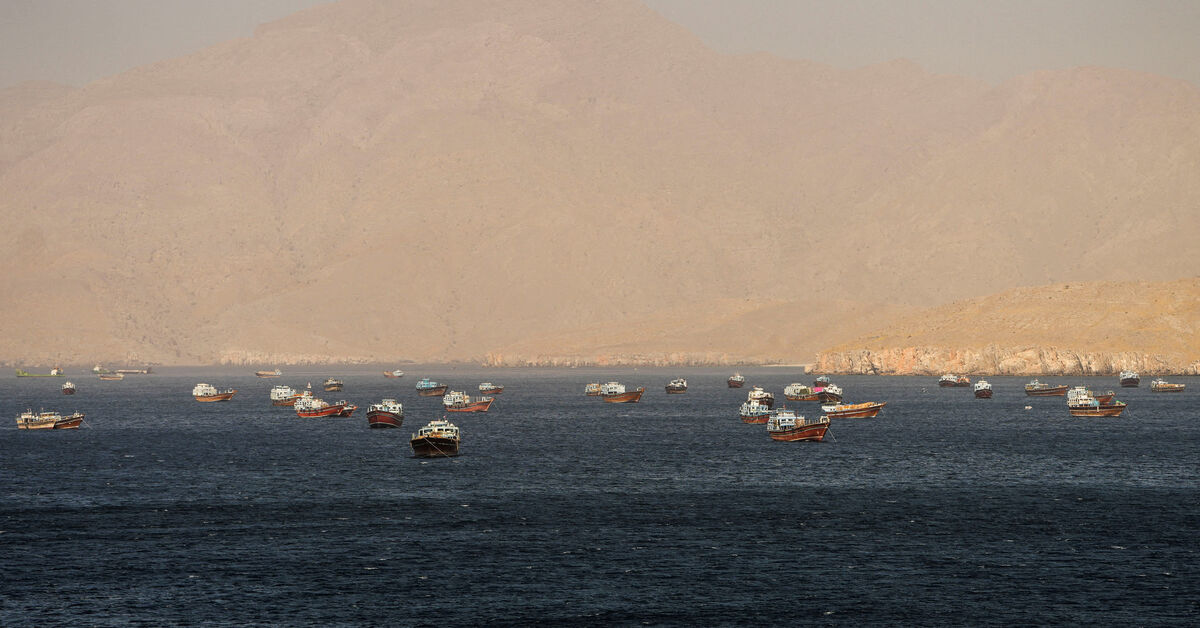
Regarding international navigation, Iran's ambassador to Moscow announced that the Strait of Hormuz will remain open to ship traffic, but under new conditions set by Iran and the Sultanate of Oman, most notably the imposition of transit fees on ships. At the same time, the Iranian Ministry of Foreign Affairs strongly rejected the idea of using Iranian assets to pay compensation to U.S. allies, emphasizing that these demands are unacceptable.
On the humanitarian front, the Israeli military police have launched an investigation into the killing of a seven-month-old Palestinian infant by an Israeli soldier. These investigations come at a time of increasing international criticism regarding the protection of civilians in conflict zones.
In Armenia, preliminary results of the early parliamentary elections showed the ruling "Civil Contract" party leading with 57%. These results are considered an important indicator of the ruling party's stability in power despite the political challenges facing the country.
On the global economic front, aviation sector reports predicted an increase in the number of passengers during the current year; however, profits may drop by half by 2026. The main reason for this expected decline is the continuous rise in fuel prices, which are putting pressure on airline budgets.
Finally, in the world of sports, the Iranian national football team arrived in Mexico to participate in the World Cup. Fans greeted the team with enthusiasm, despite the state of dissatisfaction and concern that prevailed due to visa issues faced by the players, which affected their preparations for the global tournament.