From Human-Centered Transportation to Architectural Culture: Everyday Mobility and Urban Memory Become Today’s Focus
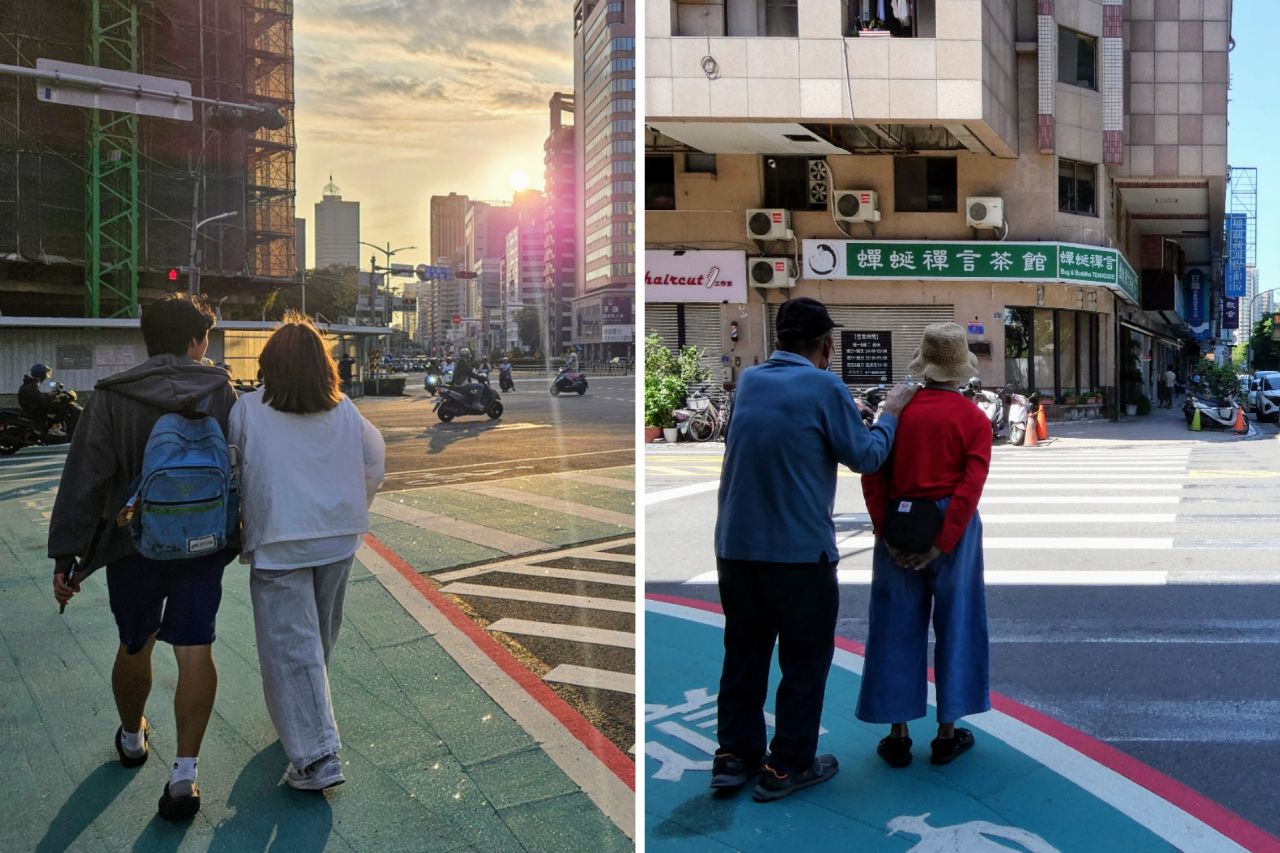
Today’s top news focuses on “human-centered transportation” and urban life. The article points out that many people need to do a considerable amount of walking when using public transportation every day, so whether the pedestrian environment is safe and convenient directly affects quality of life. Drawing on the author’s own experience of walking several hundred kilometers in a year, the piece explains how long-term use of walking and public transit has led to deeper observations on road design, pedestrian needs, and transport connections, and also emphasizes that cities should begin with every small step in building more friendly public spaces.
The article further discusses how transportation is not only a tool for movement, but is also related to relationships between people. When public transit, walkways, and street design better meet human needs, users of different ages and physical conditions can all move through the city with greater peace of mind. The article connects this transportation philosophy to companionship, care, and shared living, presenting a vision of a city that “thrives well together with the times.”
Another article uses a small story on a bus to draw readers’ attention to public transportation design. An elderly couple boarded with a suitcase; after the wife sat down first, she reminded her husband to pull the luggage inside, but he ran into difficulty when actually trying to do so. This seemingly ordinary scene reflects the importance of interior space, seat arrangement, and boarding and alighting flow for elderly passengers and those carrying belongings.
Through the interaction between this elderly couple, the article also presents both the warmth and the realities of public transportation. Taking the bus together may seem like a very ordinary little thing, but for some people, being able to board smoothly, find a seat, and place their luggage actually requires support from a more thoughtful transportation system. Titled “The Most Romantic Thing Is Taking the Bus Together,” the article allows readers to see companionship in everyday life, while once again reminding society to value age-friendly and human-centered transportation.
In addition to transportation issues, today also features reports related to culture and architecture. One article introduces the book Pioneer of Regionalism: Chen Jen-Ho’s Modernist Architectural Experiments, guiding readers to learn about this architect who worked deeply in Kaohsiung. The book carefully organizes Chen Jen-Ho’s works and architectural ideas, discussing how he responded to local environmental and cultural conditions amid the trends of modern architecture, demonstrating design thinking with regional characteristics.
This report is not only about a single book; it also incorporates the experiences of visiting exhibitions, reading, and field investigation to re-understand the value of Chen Jen-Ho’s architecture from different angles. Looking back at the architectural history of southern Taiwan, the article points out that the practice of local architects can help society more fully understand urban development and cultural memory. Overall, today’s news, from walking and buses to architectural research, presents a shared theme: how people, in everyday life, re-understand the city through movement, companionship, and space.