Taiwan Social Observations: From the Amendment of the Artificial Reproduction Act to the Evolution of Kaohsiung Buses and Life Philosophy
Taiwanese society has recently been paying close attention to discussions regarding the amendment of the "Artificial Reproduction Act." This law involves technology-assisted pregnancy techniques such as artificial insemination and in-vitro fertilization (IVF), which are closely related to individual reproductive freedom and the state's biopolitics. Since the birth of Taiwan's first IVF baby in 1985, this technology has been developed for many years. The current direction of the amendment symbolizes society's further reflection on the definition of family and reproductive rights.
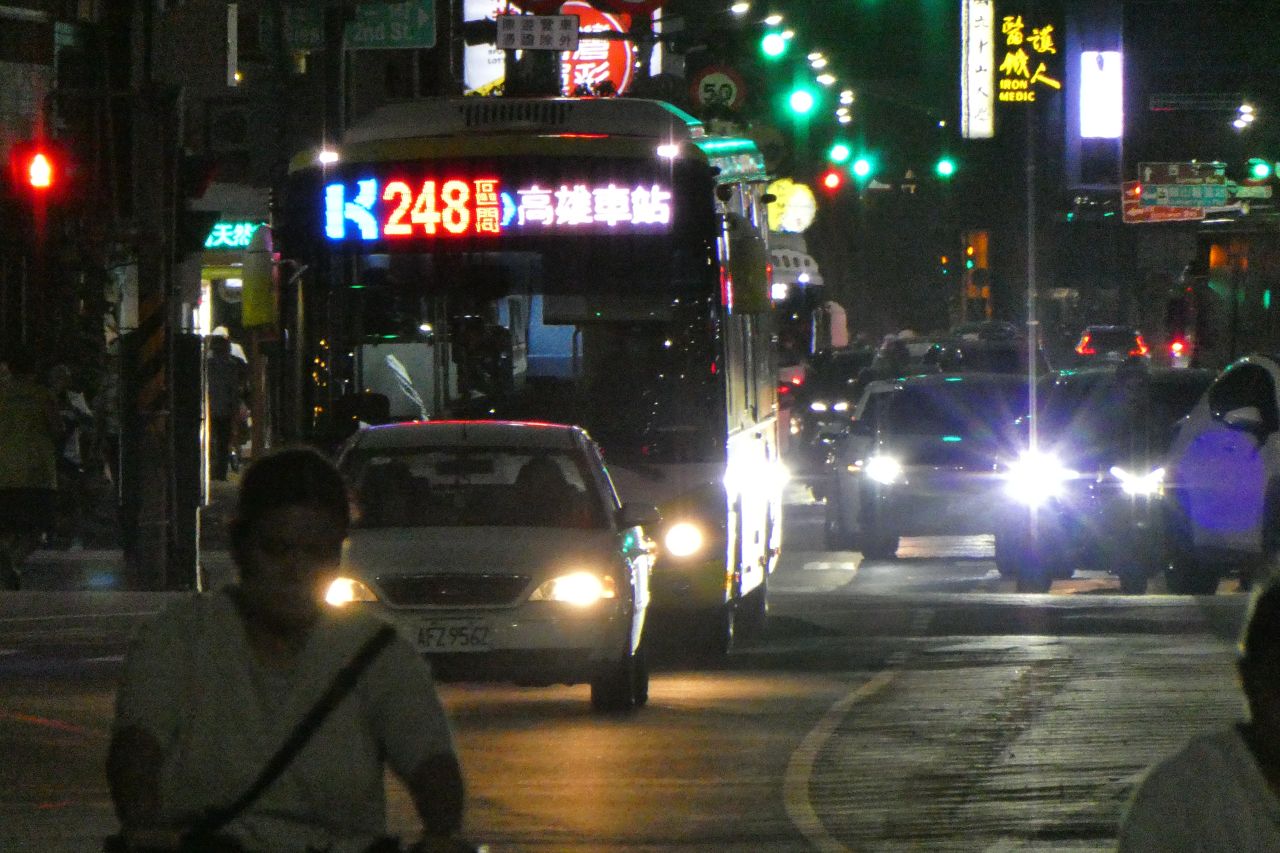
Regarding urban transportation and lifestyle, public transit in Kaohsiung is undergoing changes. The Route 248 bus and its shuttle service, which have operated for many years, will officially cease service on June 9. This long-distance route that once shuttled between Fengshan and the city center will officially become history. Meanwhile, Kaohsiung Station is hosting the 11th "Formosa Railroad Bento Festival." Through gourmet food and cultural-creative markets, the public can once again experience the charm of railway culture and memories of taste in the sunken plaza.
In addition to route cancellations, there are new travel and safety recommendations. Kaohsiung Bus's "Orange 1 Extension" provides a convenient path to Shoushan (Chai Mountain). Passengers can take in the mountain and sea views, sunsets, and natural ecology in just 20 minutes. However, safety when riding the bus cannot be ignored. Experienced passengers remind others to pause and look to the right before getting off to avoid being hit by motorcycles speeding past the right side of the bus—a crucial habit for urban commuters to protect themselves.
Buses are not just a means of transport but also a window for observing society. On Kaohsiung's buses and streets, one can often see different "contemporary faces," such as foreign tourists waiting at bus stops. Additionally, some have observed an elderly couple where the wife was patiently teaching her newly retired husband how to read the route map and use real-time updates. This reflects how many men, after retirement, need to relearn how to use public transportation to arrange their lives independently.
Amidst the busy urban rhythm, sometimes one needs to "slow down" to see different scenery. Someone saw a mother riding a bicycle with a young child, taking a short break in the shade on a Kaohsiung street at noon. This simple and heartwarming scene reminds the public that life is not just about rushing; only by slowing down can we properly observe and feel the world together with those around us.
Finally, there are profound discussions regarding the philosophy and design of life. What constitutes a "good life"? This is a question worth pondering for everyone at different stages of life. When driving change in the real world, the most ideal design solutions often stem from "wise compromise." This means that while a solution may not completely satisfy all parties, it is the best point of balance that everyone can accept, and it is the key to driving social progress.