From Transportation Changes to Social Observation: Facets of Life and Philosophy in Today's Taiwan
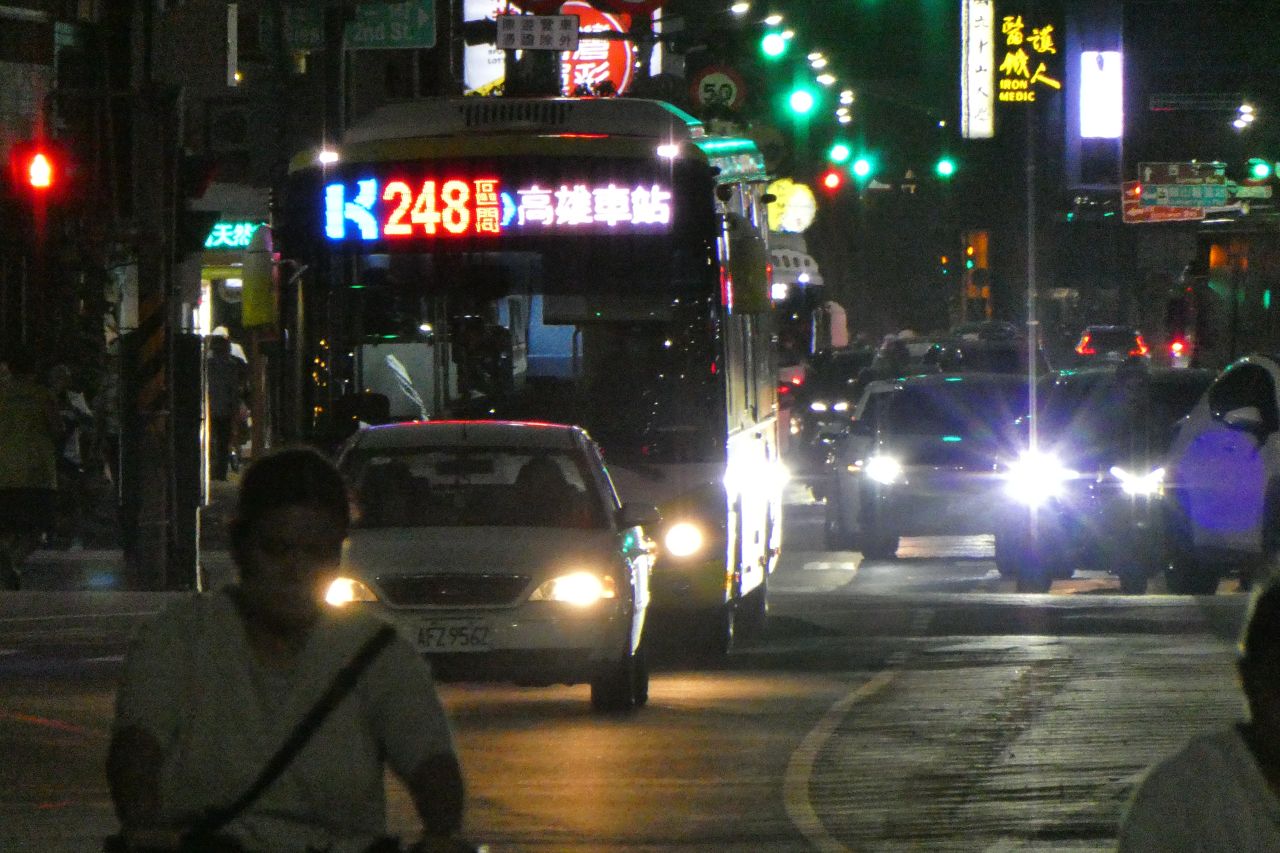
Kaohsiung's public transportation system is undergoing significant changes. The long-running Route 248 bus and its shuttle service will officially cease operations on June 9. This route once connected Fengshan with Kaohsiung's city center, witnessing the city's developmental history. Meanwhile, Taiwanese society is heatedly discussing amendments to the "Artificial Reproduction Act." This bill symbolizes progress in reproductive freedom and has sparked deep public reflection on technology-assisted pregnancy and biopolitics.
While old bus routes pass into history, new travel options remain attractive. Gudu Bus's "Orange 1 Extension" (formerly Route 99) provides convenient transport to Chaishan, allowing passengers to take in mountain views, ocean vistas, and sunsets in just 20 minutes. However, safety when riding the bus cannot be ignored. Experts remind the public to develop the habit of "pausing and looking right" when disembarking to avoid being hit by scooters weaving through the right side of the bus.
Buses are not just tools for transportation but also windows for observing society. On the streets of Kaohsiung, one can see retired men relearning how to read bus stop signs and real-time updates under their wives' guidance. Furthermore, more and more foreigners are appearing at bus stops. These "contemporary faces" present the daily scenery of the city's multiculturalism, reflecting the reality of expatriates living in Taiwan.
Beyond daily trivialities, today's news also explores profound philosophies of life. Discussions on "what constitutes a good life" remind us to reflect on the value and goals of existence. Amidst the busy urban pace, the sight of a mother resting with her young child under the shade of a tree allows us to appreciate the meaning of "slowing down," for only by slowing our pace can we truly see the beauty of the world.
In professional fields, there are new perspectives on design and research. Experts point out that ideal design is often an "intelligent compromise," driving real-world change through solutions acceptable to all parties. In anthropological fieldwork, researchers often face the challenge of being suspected as "spies," reflecting the complex process of building trust between people in an environment of suspicion and surveillance.
Summarizing today's news, from the changing of bus routes to discussions on legal systems, and reflections on quality of life and interpersonal trust, these stories collectively depict how Taiwanese society continuously seeks balance and progress amidst change. Whether it is traffic safety or the philosophy of life, they remind us of the importance of maintaining observation and reflection in our daily lives.