The "A Home Too Far" Story by the Laonong River: Cultural Footprints of the Yunnan-Burma Lost Army in Pingtung
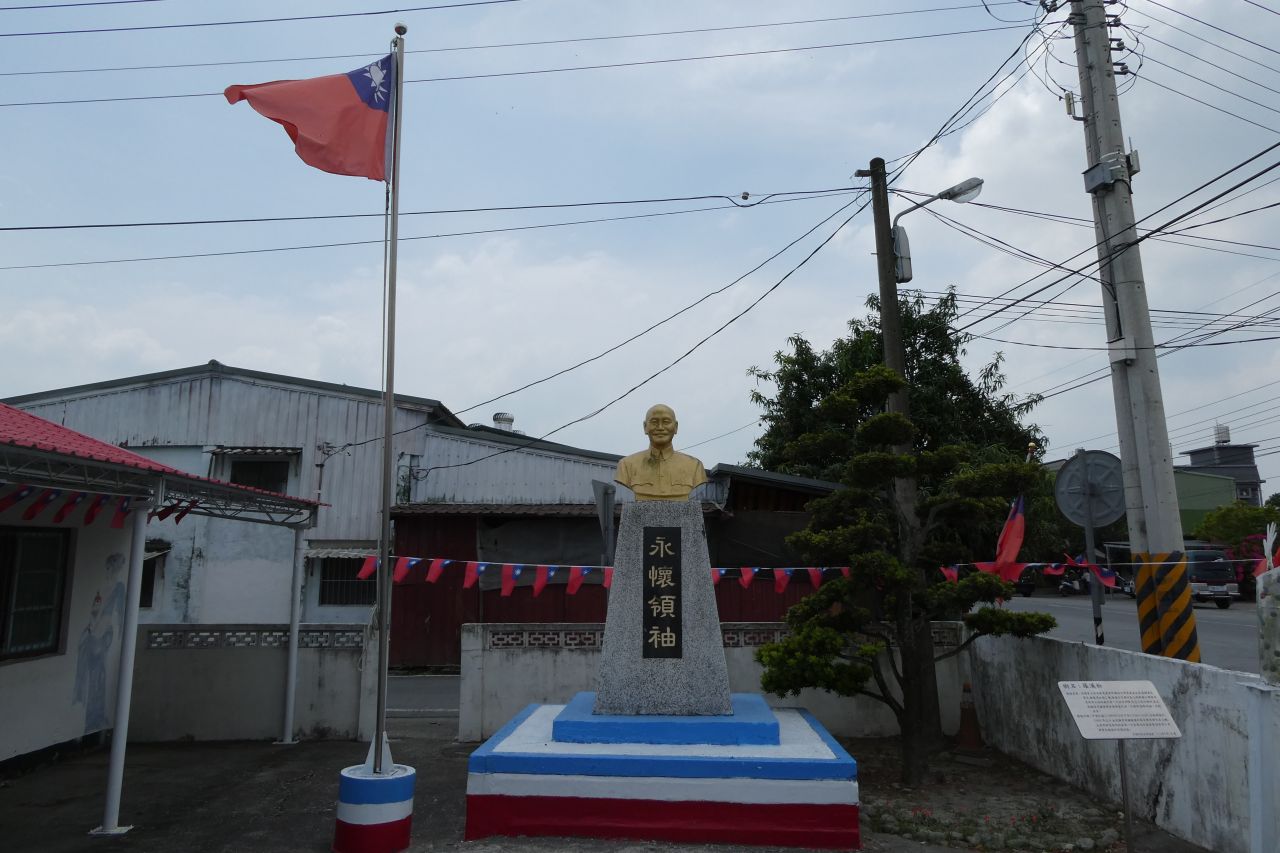
Along the banks of the Laonong River, on the border between Pingtung and Kaohsiung in Taiwan, lies a hidden piece of unique history. In 1961, the government executed "Operation National Thunder," bringing a group of "Lost Army" soldiers and their families, who had long fought along the Yunnan-Burma border, back to Taiwan. These soldiers and their families were eventually settled in communities such as Dingyuan and Xinguo in Ligang, Pingtung, where they took root and began a brand-new life on Taiwanese soil.
These soldiers, known as the "Lost Army," were originally active along the southwestern border of China and Burma, enduring years of warfare. After arriving in Taiwan, they were assigned to the wasteland beside the Laonong River. Living conditions at the time were extremely harsh, but with strong determination, these immigrants built homes in the Dingyuan and Xinguo communities, transforming the once-desolate riverbanks into vibrant villages.
The most striking feature of these communities is the well-preserved Yunnan-Burmese culture. Residents brought their hometown culinary habits to Taiwan, such as the famous Yunnan rice noodles (migan), "posu" (shredded) buns, and various spice-rich dishes. During traditional festivals, unique celebrations are held in the villages. This exotic atmosphere has made the Dingyuan and Xinguo communities a very special part of Taiwan's multicultural landscape, attracting many tourists to experience it.
To connect these remote communities with the outside world, transportation has played a crucial role. Among them, the Pingtung Bus Route 8220 has for many years been an important bridge for residents traveling to and from the city. This route not only carries elders to markets or medical appointments but also takes many young people out for their studies. For the locals, this bus has witnessed the changes in the community over the decades and is an indispensable memory of their lives.
Today, although the first generation of veterans is gradually passing away, their culture and stories continue to circulate along the banks of the Laonong River. By preserving historical buildings and promoting traditional cuisine, the younger generations are working hard to ensure that this "Lost Army" history is not forgotten by the world. These communities are not only witnesses to history but also a microcosm of how Taiwanese society embraces different ethnic groups and showcases the charm of multiculturalism.