From Technological Transformation to Urban Living: Observations on Contemporary Taiwanese Society and Culture
In an era of rapid technological advancement, the influence of Artificial Intelligence (AI) is growing daily. A recent study on Taiwan's mold industry points out that AI will not directly replace humans, but those who learn to use AI will replace those who do not. This digital transformation is not just a technical issue; it involves the politics and redistribution of labor skills, demonstrating the profound impact of digital shifts on traditional industries.
Regarding urban transportation, Kaohsiung City is undergoing significant changes. With the development of the MRT, Light Rail, and railway undergrounding, modern public transit is gradually changing commuting habits, attempting to end the intergenerational cycle of reliance on cars and motorcycles. However, as the transportation network is restructured, some iconic routes are about to pass into history. For instance, the 248 bus route, which has operated for many years, will officially cease service on June 9, symbolizing the end of an old era's transportation model.
To improve traffic safety, the government has introduced new regulations for drivers over the age of 70, requiring regular physical examinations and participation in safety education. The government encourages seniors to voluntarily surrender their driver's licenses, offering TPASS discounts as compensation. This not only reduces the stress of driving but also provides the brain with a different kind of exercise while using public transit. For example, citizens can take the "Orange 1 Extended" bus operated by Kaohsiung Bus; in just 20 minutes, they can reach Chaishan to enjoy beautiful mountain and sea views and natural ecology, experiencing a freer and smarter way of moving.
Beyond the choice of transportation, personal habits are closely linked to health. Some experts suggest establishing a discipline of "walking fast whenever you walk," increasing walking speed to over 6 kilometers per hour to turn daily walking into a gym for the brain and body. This pursuit of self-discipline also sparks deep reflection on "what constitutes a good life," exploring how to find true value in busy modern living.
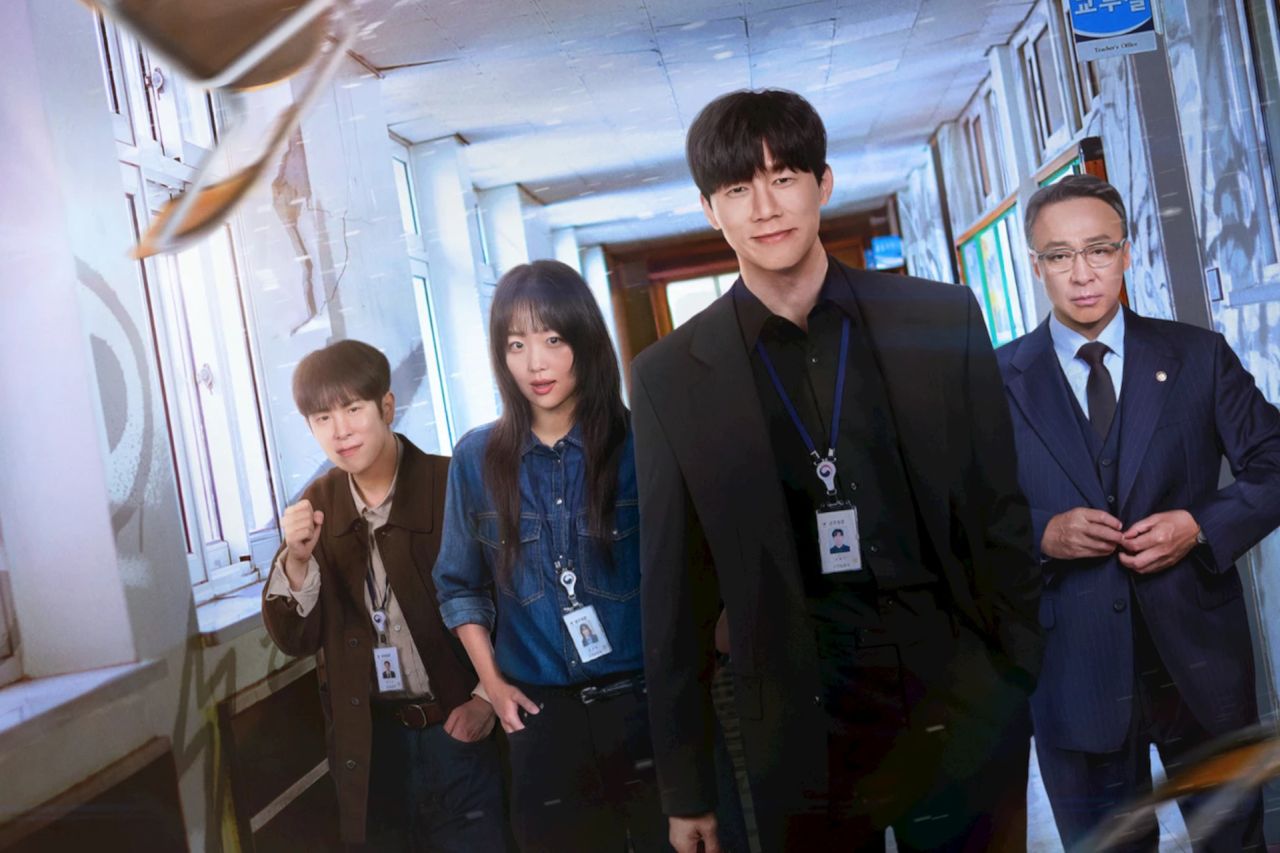
In the fields of culture and art, the documentary "Kám-lōo-tsuí" (Sweet Dew Water), filmed on 16mm film, interprets art through art, showcasing high aesthetic value and historical significance. Meanwhile, through discussions of the manga "Get Schooled," we see the society's continued concern regarding school bullying. Although there are no "dark heroes" in the real world to solve all problems, such works provide readers with psychological healing within a safe environment.
Finally, in the realm of academic research, anthropologists face severe tests of trust during fieldwork. When researchers are suspected of being "spies" in certain environments, how to continue working amidst the tug-of-war between suspicion, surveillance, and trust, while handling complex emotional undercurrents, has become an important and challenging topic in contemporary social science research.