Changes in Modern Life: From AI Technology Applications to Urban Transportation and Humanistic Reflection
In an era of rapid technological development, the influence of Artificial Intelligence (AI) is growing daily. A recent study on Taiwan's mold industry pointed out that AI may not directly replace humans, but "people who learn to use AI" will replace those who do not. This digital transformation is not just a technical update, but a redistribution of skills and power in the labor market, highlighting the importance of mastering new technologies for modern workers.
Changes in transportation habits are also a significant part of modern life. With the improvement of the Kaohsiung MRT and Light Rail systems, public transport is breaking the past habit of relying on cars and motorcycles, achieving an "intergenerational reversal of transportation habits." To encourage safe mobility for elderly drivers, the government has introduced a new license renewal system for seniors. Elders aged 70 or above who proactively return their driver's licenses can receive TPASS transportation benefits. This "means-end analysis" approach allows the public to view taking public transport as a gym for the brain, making life smarter and freer.
However, as transportation networks are adjusted, some old routes are also facing changes. The Kaohsiung Bus Route 248, with its long history, officially became a thing of the past on June 9th. This important route that once traversed the city center has left many citizens feeling nostalgic. Nevertheless, there are still many new routes worth exploring in the city, such as the "Orange 1 Extension" bus. People can reach Shoushan from Hamasen in just twenty minutes, taking in the mountains, sea, sunset, and rich natural ecology.
Beyond the choice of transportation, personal movement habits also affect quality of life. Experts suggest establishing a discipline of "walking fast whenever you walk," maintaining a walking speed of over 6 kilometers per hour. This not only exercises the body but also improves life efficiency. This control over the pace of life also triggers deep reflection on "what is a good life," exploring how to find true happiness and value through self-discipline and choice in a busy modern society.
In the cultural field, artists are recording Taiwan in different ways. The documentary "Gan Lu Shui" chose to shoot on 16mm film, showcasing the beauty of the work through the artistic techniques of light, shadow, sound, and white space. The documentary itself is also regarded as a collectible piece of art. It not only records precious cultural heritage but also demonstrates how contemporary creators interpret art through art, providing viewers with a profound visual experience.
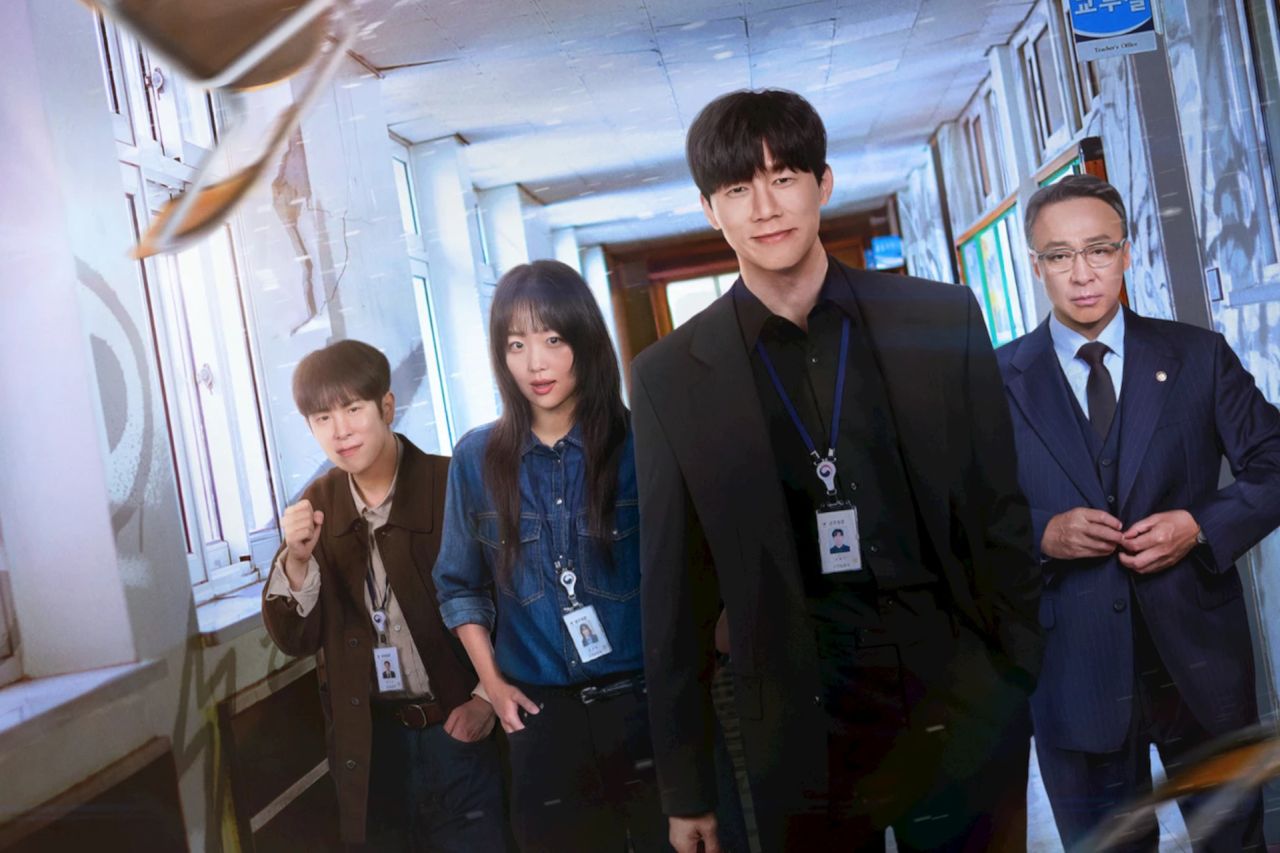
Trust and trauma in social relationships are also focuses of attention today. In academic research, anthropologists often face the challenge of being suspected as "spies" during fieldwork, needing to build trust amidst the struggle of suspicion and surveillance. In school life, many have faced the shadow of bullying. Although there are no dark heroes in the real world to solve problems instantly, through the healing of works like "Weak Hero Class 1," people can find the strength to face past pain and seek psychological security.
In summary, from industrial transformation and transportation changes to personal physical and mental health and cultural heritage, we are in a constantly changing era. Whether it's learning new technologies, changing ways of movement, or re-examining interpersonal relationships and the meaning of life, these challenges require us to face future life with a more open and wise attitude.