People-centered transport emphasizes walking safety and connections to public transit, improving everyday urban mobility
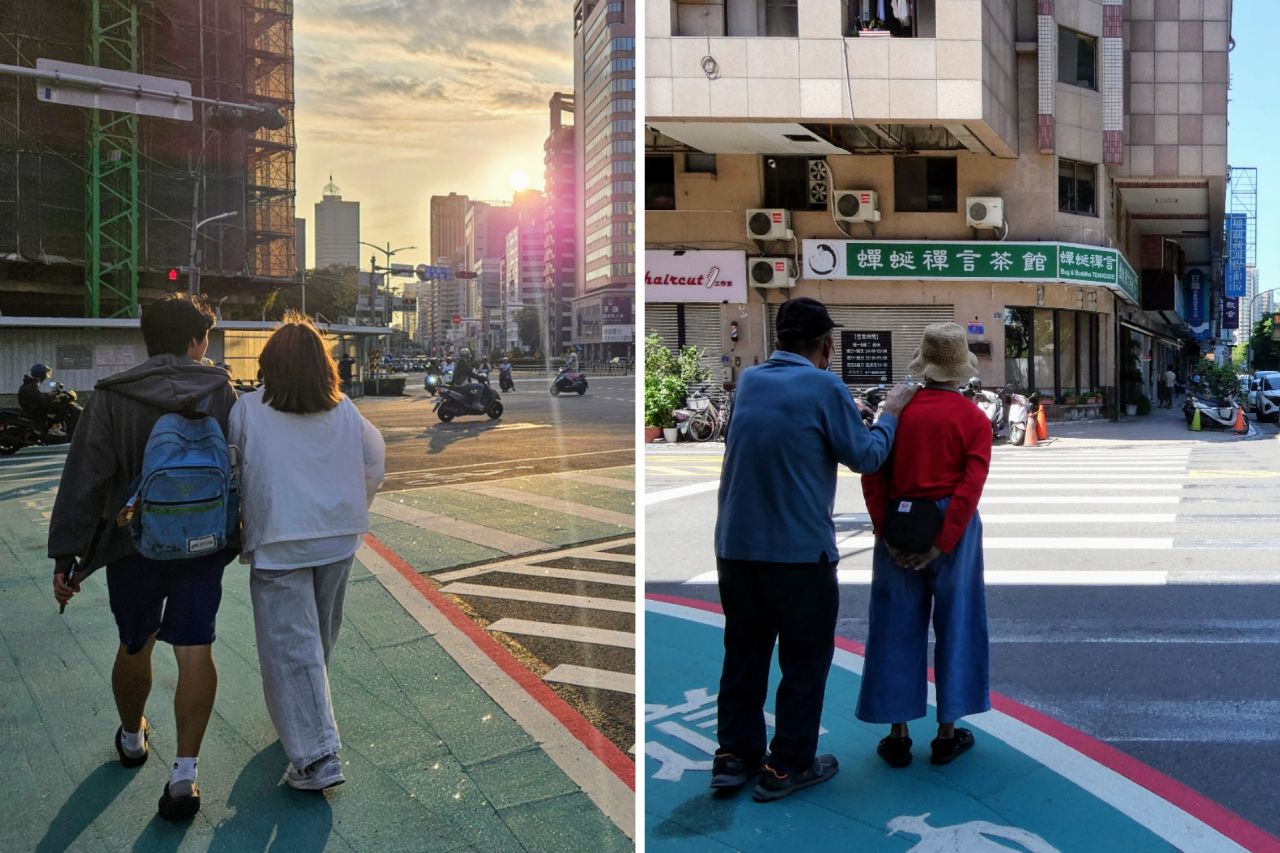
An article from Taiwan on people-centered transport points out that many people often need to combine walking with public transportation in their daily lives. The author said that their total walking distance reached 641 kilometers last year, and that they had already walked 204 kilometers from January to April this year, showing that walking is a very important part of urban mobility.
The article mentions that walking is not just about getting from one place to another, but is also closely connected to the public transportation system. When people leave home, walk to bus stops or metro stations, or walk to their destinations after getting off, all of these processes require safe and convenient pedestrian spaces. If road design is poor, it may increase inconvenience and risk for users.
The author believes that the quality of the pedestrian environment directly affects the daily lives of different users, including older adults, children, and people who need strollers or have more limited mobility. When cities provide more continuous and more pedestrian-friendly walking spaces, it not only helps residents feel more at ease, but also makes the use of public transportation smoother.
The article also emphasizes that the core of people-centered transport is valuing the needs of every road user, so that walking and public transportation can be better connected. By improving sidewalks, intersections, and overall transportation planning, cities can build a safer and more orderly mobility environment through the small steps of daily life.
Overall, the article uses personal walking experience as an example to explain the importance of walking within the public transportation system and reminds society to pay attention to the pedestrian environment. For cities, creating pedestrian-friendly walking spaces is an important direction for improving transportation quality.