From Transportation Changes to Social Observation: Reflections on Daily Life in Taiwan Today
Taiwanese society has recently been engaged in in-depth discussions regarding the amendment of the "Artificial Reproduction Act." This technology has a long history of development in Taiwan since the birth of the first IVF baby in 1985. This amendment not only involves the application of technology-assisted pregnancy but also symbolizes the evolution of reproductive freedom and biopolitics, reflecting contemporary society's emphasis on the definition of family and individual rights.
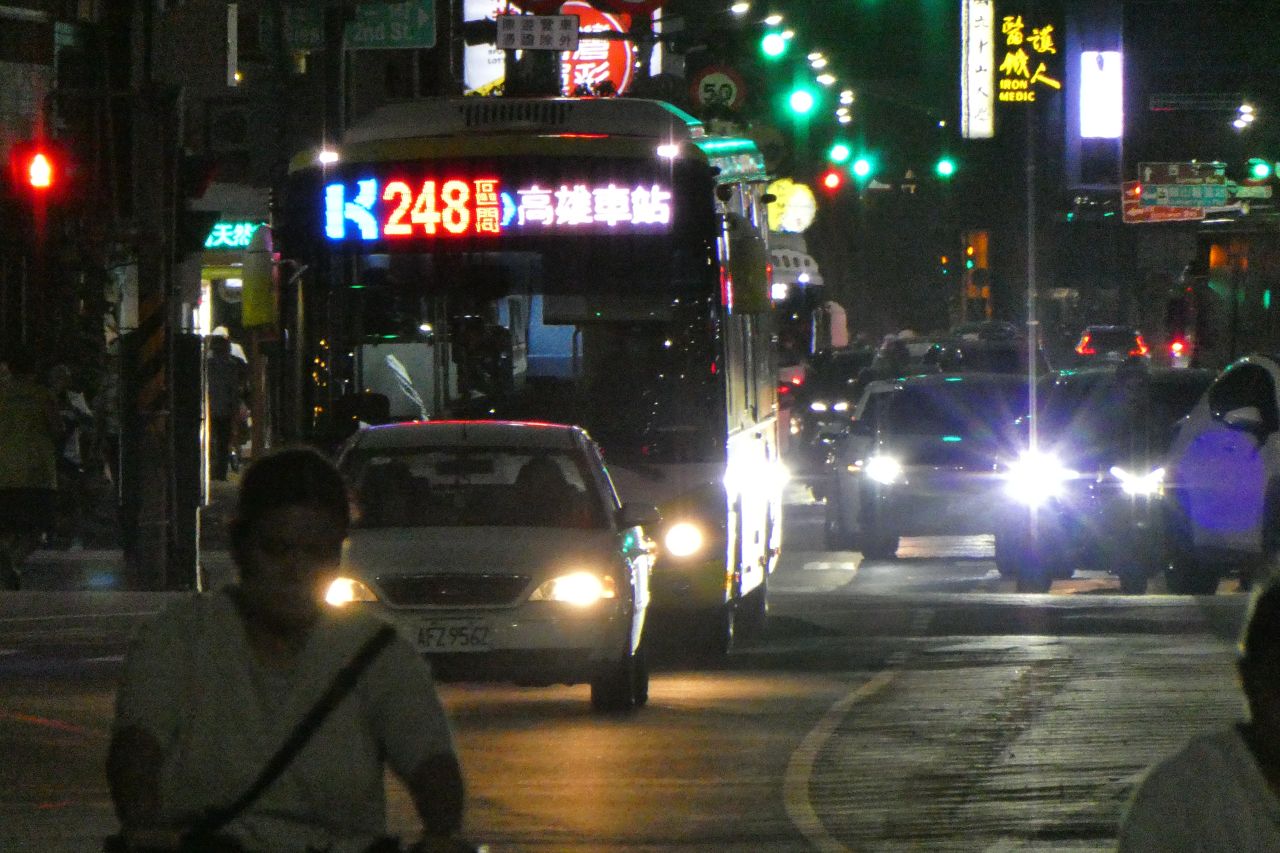
In terms of public transportation, Kaohsiung City Bus Route 248 and its shuttle service will officially cease operations on June 9th. This long-distance route, which has been operating since 2007 connecting Fengshan and the city center, will officially become history. Although the old route is bidding farewell, the public still has other options. For example, the "Orange 1 Extension" bus (formerly Route 99) can take tourists from Hamasing Station to Chaishan in just twenty minutes, offering a full view of mountain and sea scenery and natural ecology.
As the traffic environment becomes increasingly complex, passenger safety when disembarking has also received much attention. Experienced commuters suggest developing the habit of "pausing, looking right, then stepping out" before getting off the bus to avoid being hit by scooters weaving through the right side of the bus. Furthermore, in busy urban life, sometimes "slowing down" allows one to see more scenery. For instance, seeing a mother on the streets of Kaohsiung at noon resting with her child on a scooter in the shade is also a warm daily observation.
Buses are not just a means of transportation but also a window for observing society. Observers have recorded the diverse faces of foreigners and locals on Kaohsiung's buses, presenting a multifaceted portrait of contemporary society. At the same time, some have observed retired men relearning how to read bus stop signs and take the bus under their wives' guidance, demonstrating the process of adaptation and relearning life skills in the second half of life.
In the fields of academia and philosophy, anthropologists have shared the psychological pressure of being suspected of being "spies" during fieldwork, exploring how to build trust with research subjects in an environment of suspicion and surveillance. This reflection on interpersonal relationships also extends to deep inquiries into "what is a good life," prompting readers to consider how individuals should pursue an ideal state of living within complex social networks.
Finally, regarding the balance between design and reality, experts point out that "wise compromise" is often the most ideal design solution. When promoting change in the real world, a point of balance that leaves all parties not entirely satisfied but able to reluctantly accept is usually more effective than pursuing a perfect solution. These diverse stories remind us that whether it is legal systems, transportation planning, or daily life, understanding and balance are the keys to continuous social progress.