From Kaohsiung Neighborhoods to Everyday Bus Rides: Human-Centered Transport and Walkability Become Key Themes in Urban Life
Several articles today focus on the everyday experiences of “human-centered transport,” walking, and public transportation, showing that whether a city is convenient and safe is not judged only by whether its roads are wide, but also by whether pedestrians can walk with peace of mind, whether older adults can board transit easily, and whether families and communities can live in a friendly environment. These stories, ranging from neighborhoods in Kaohsiung and small incidents on buses to personal observations from long-term walking, all point to important directions for improving urban transportation in Taiwan.
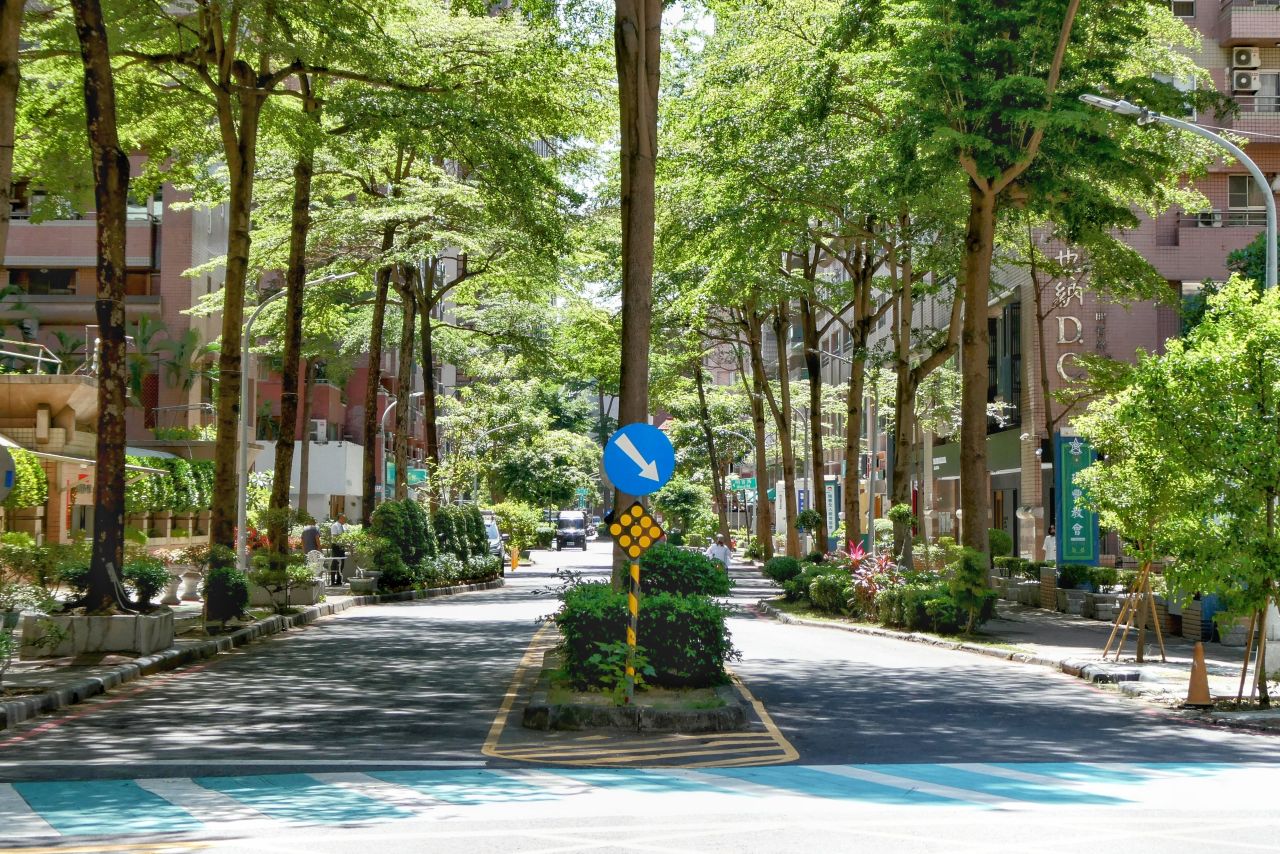
Among them, Kaohsiung’s Hedi Community is described as a model of pedestrian friendliness that continues to improve. This young community, with a history of only about thirty years, has attracted many young families to move in. Although the author does not live there, they are quite familiar with the Hedi Community because they once taught at Kaohsiung Medical University. The article points out that this community demonstrates a strong emphasis on pedestrians in both daily amenities and street environments, and also reflects how a newly developed community can gradually create a space that is more suitable for walking and living.
Another article begins from the author’s long-term personal experience of using public transportation and discusses the importance of walking and the pedestrian environment. The author says that when taking public transit, a great deal of walking is often required. Last year, their total walking distance reached 641 kilometers, and from January to April this year, it had already reached 204 kilometers. Through these accumulated mobility experiences, the article emphasizes that the quality of the pedestrian environment directly affects users’ feelings and is also closely related to safety and convenience in daily life, as well as mutual care among different age groups.
This article further connects transportation with emotion, pointing out that human-centered transport is not just an engineering or policy issue, but is also related to companionship, care, and the rhythm of life between people. Whether it is walking to the station, crossing an intersection, or completing everyday travel step by step, these small transportation experiences may accumulate into a way of life that is more dignified and better able to grow old slowly with time.
In another more down-to-earth story, the article titled “The Most Romantic Thing Is Taking the Bus Together” depicts an elderly couple boarding a bus with a suitcase. The wife sits down first and reminds her husband to pull the luggage into the bus; the husband then tries to deal with the problem of the luggage and seating space. This simple scene shows the practical difficulties that older adults may encounter when taking the bus, such as interior space, luggage placement, and the convenience of boarding and alighting.
At the same time, through the natural interaction between the elderly couple, the article also lets readers see that public transportation is not just a tool for movement, but also a space that carries affection and everyday companionship. The two ride together, reminding and looking after each other, giving an ordinary commute or outing a sense of warmth. The article uses this example to explain that if transportation design were more friendly, older adults and people who move more slowly could use buses more comfortably, and urban life would also become more inclusive.
Overall, although today’s articles all come from everyday observation, they jointly point to one clear message: from community streets and sidewalks to bus interiors and transfer walking, every segment of movement deserves more careful design. When a city is willing to value the needs of pedestrians, older adults, families, and public transportation users, transportation is not just a tool for getting from one place to another, but can also become an important foundation for supporting community development and human connection.