Transforming Mobility Habits: How Kaohsiung’s Public Transport is Reshaping Urban Life
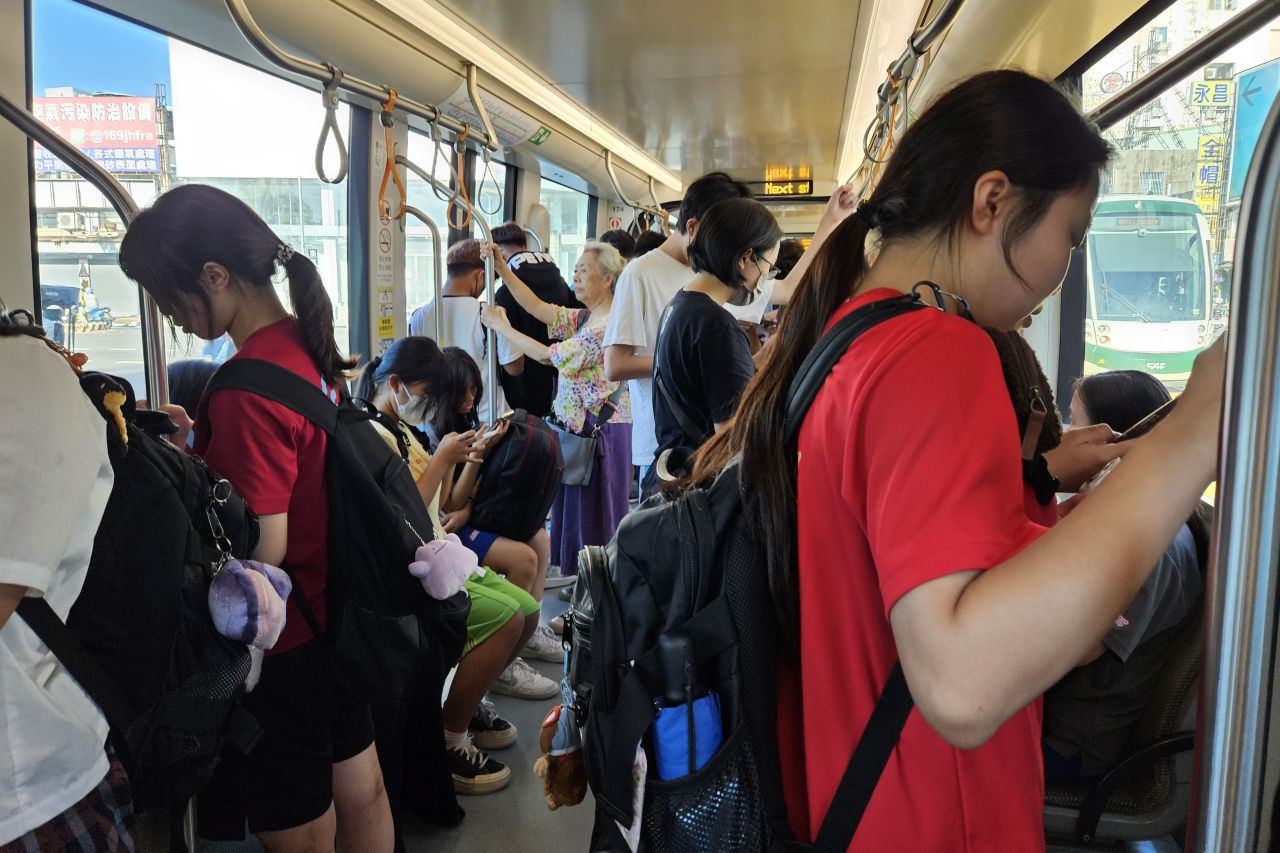
Over the past eighteen years, the transportation landscape of Kaohsiung City has undergone a massive transformation. From the MRT and light rail to the undergrounding of the railway, these major infrastructure projects have not only changed the city's scenery but are also challenging the long-standing reliance on motorcycles and cars. The goal of this transportation revolution is to establish a more sustainable and convenient urban environment.
Looking back at Kaohsiung's transportation development, the opening of the MRT Red Line eighteen years ago was a significant milestone. Subsequently, eleven years ago, the first phase of the Kaohsiung Light Rail officially began operations, becoming Taiwan's first light rail system. Eight years ago, the urban railway undergrounding project was completed, with several new commuter stations added, providing citizens with more diverse and frequent options when taking the train.
One of the core purposes of these developments is to end the "intergenerational reproduction of transportation habits." In the past, due to inadequate public transportation, many families in Kaohsiung were accustomed to using private vehicles, a habit that was often passed down to the next generation. However, as the public transportation network becomes increasingly comprehensive, the younger generation now has the opportunity to choose different modes of travel, no longer simply mimicking the driving or riding habits of their elders.
Beyond changing habits, these transportation projects have also driven urban spatial replanning. For example, the ground-level space freed up after the railway undergrounding was transformed into a green corridor spanning several kilometers, providing a place for citizens to relax and exercise. The light rail connects the Asia New Bay Area, tourist attractions, and commercial centers, transforming Kaohsiung into a more modern and walkable city.
Although completely changing citizens' mobility inertia still takes time, Kaohsiung's experience shows that a well-developed public transportation system is the key to driving urban transformation. By continuously optimizing the transfer experience and network density, Kaohsiung is gradually moving toward becoming a low-carbon, environmentally friendly smart transportation city, creating a more livable environment for future generations.