Post-Meal Walks Help Control Blood Sugar: How to Make Daily Exercise More Fun?
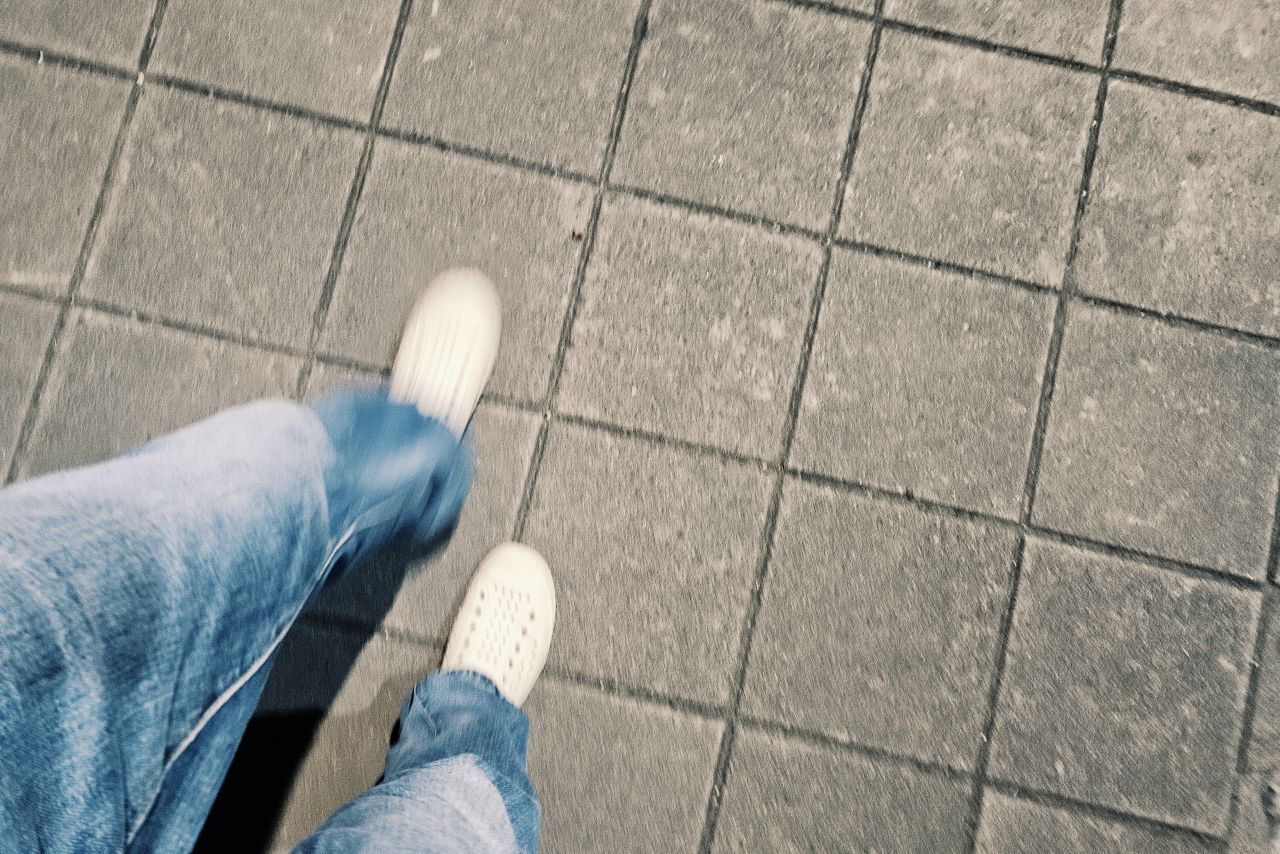
Modern people are increasingly prioritizing health management. In addition to adjusting dietary habits, many have started engaging in simple exercise after dinner. According to health experts' recommendations, walking after a meal is an effective way to control blood sugar, helping the body process energy more stably and reducing the burden caused by post-meal blood sugar fluctuations.
However, walking the same route around one's home every day can quickly become boring, which is a major reason why many people struggle to stick with exercise long-term. To make walking more motivating, some have begun trying to "gamify" their exercise, increasing the sense of novelty by changing routes and turning daily walks into small adventures.
So-called "gamified walking" refers to choosing different alleys every day and exploring corners of the community never visited before. This approach not only increases the amount of exercise but also allows people to rediscover the beauty within their living environment. For example, observing the architectural styles of different streets or looking for small shops hidden in alleys can make the exercise process full of surprises.
During the walking process, people can also observe rich urban scenery. Whether it's commuters on a bus heading home, or flickering signs and quiet streets along the roadside, these daily details can become a source of joy during exercise. This psychological relaxation and visual shift are very helpful for relieving the stress of a full day's work.
In summary, maintaining health doesn't necessarily rely on high-intensity physical training. Through simple post-meal walks combined with the joy of exploring the environment, everyone can easily establish a long-term exercise habit. This is not only for controlling blood sugar but also a lifestyle for improving quality of life and observing the charm of the city.