From Architecture to Tribal Memory: Today’s Cultural Reporting Focuses on Taiwan’s Local History and the Exploration of Identity
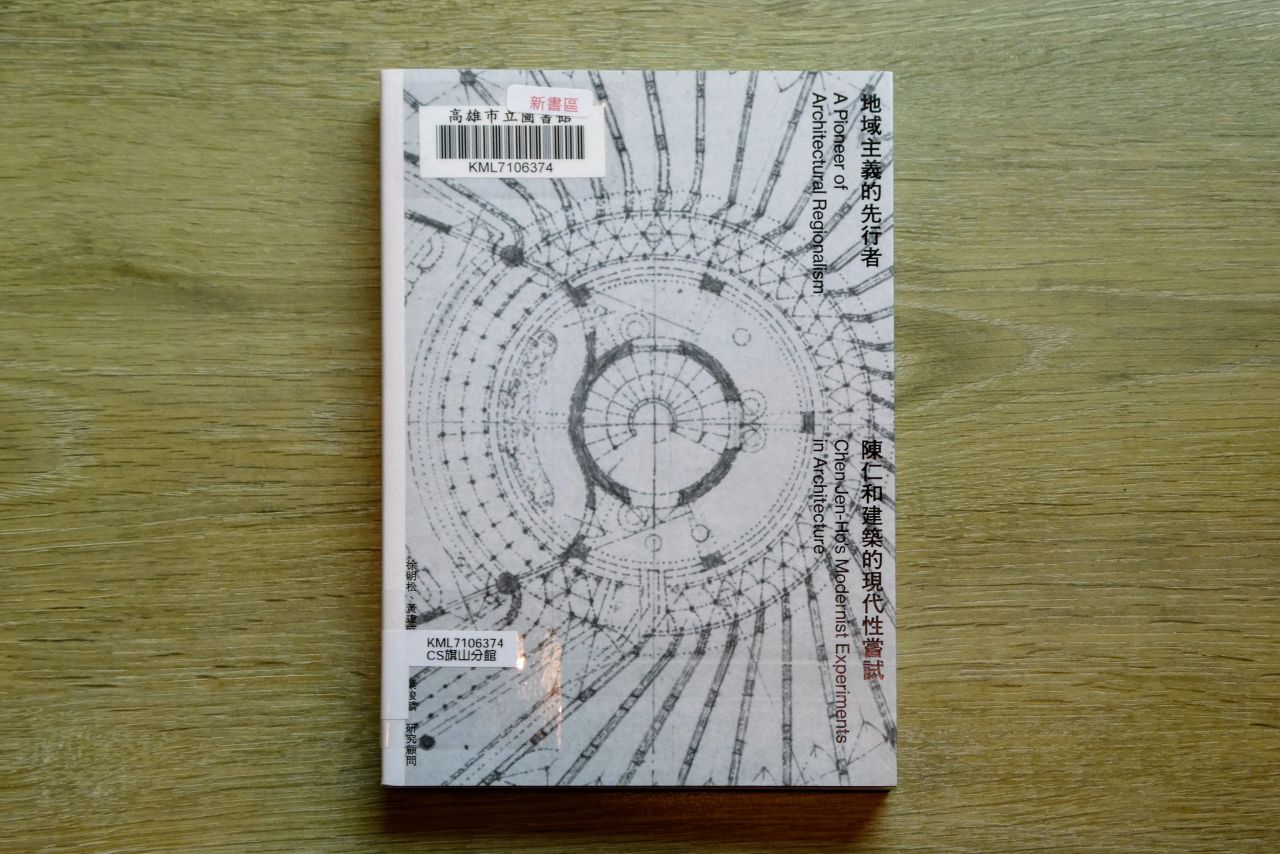
One of today’s cultural highlights is a new book introducing the Kaohsiung architect Chen Jen-ho, titled Pioneer of Regionalism: Chen Jen-ho’s Modernist Architectural Experiments. From the perspective of architectural history, the book organizes Chen’s life and works, explaining how he developed an architectural practice in southern Taiwan’s local environment that was both modern and attentive to regional characteristics. The report points out that readers can not only understand his architectural ideas through reading, but also gain a more complete understanding of the cultural legacy left by this architect by combining exhibitions with on-site visits.
The article also emphasizes that Chen Jen-ho’s works are not merely architectural designs, but also reflect how Taiwanese society in a particular era imagined modernization. The book attempts to look back at his architectural language and reconsider the relationship between locality and modernity. For those concerned with Taiwan’s architectural history, this book provides an important entry point for reexamining the development of architecture in southern Taiwan.
It is worth noting that among the articles provided today, two pieces are identical in content, both introducing Pioneer of Regionalism: Chen Jen-ho’s Modernist Architectural Experiments. Both articles take “see exhibitions, read, and enter the field” as their main theme, encouraging readers to approach architectural history in different ways and, through exhibitions, reading, and field investigation, to rethink Chen Jen-ho’s role in the process of Taiwan’s architectural modernization.
Another important cultural report comes from attention to the historical memory of Taiwan’s Indigenous peoples. Centering on three works—How Long Is the Road, Wings of Takasago, and Files / Lee Kuang-hui—the article discusses how tribal history, ethnic experience, and narratives of national borders intertwine with one another. The report notes that these documentaries and visual works attempt to trace collective memories within Indigenous society that were once overlooked or lost, while also prompting viewers to face the pain left by history once again.
Among them, the article specifically mentions the experience of the Dulan Amis community in eastern Taiwan. In the community, there is an age-grade name called “La Jinmen,” and this name is related to the fact that many young people were once conscripted to the frontline in Kinmen. This history not only connects to personal life experiences, but also shows how tribal memory has been shaped by state policy and military borders. Through images and narrative, these overlooked stories are brought back into view.
Overall, today’s articles all revolve around the theme of “reunderstanding Taiwan’s local history.” On the one hand, they begin with architecture, looking back at how a Kaohsiung architect responded to modernization through local practice; on the other hand, through documentary film and anthropological perspectives, they sort through the complex circumstances of Indigenous peoples within the nation, ethnicity, and history. Together, these reports show that whether architectural space or tribal memory, both are important clues for understanding Taiwanese society.