Global warming is increasing mosquito-borne diseases as Rwanda faces a malaria outbreak
Published
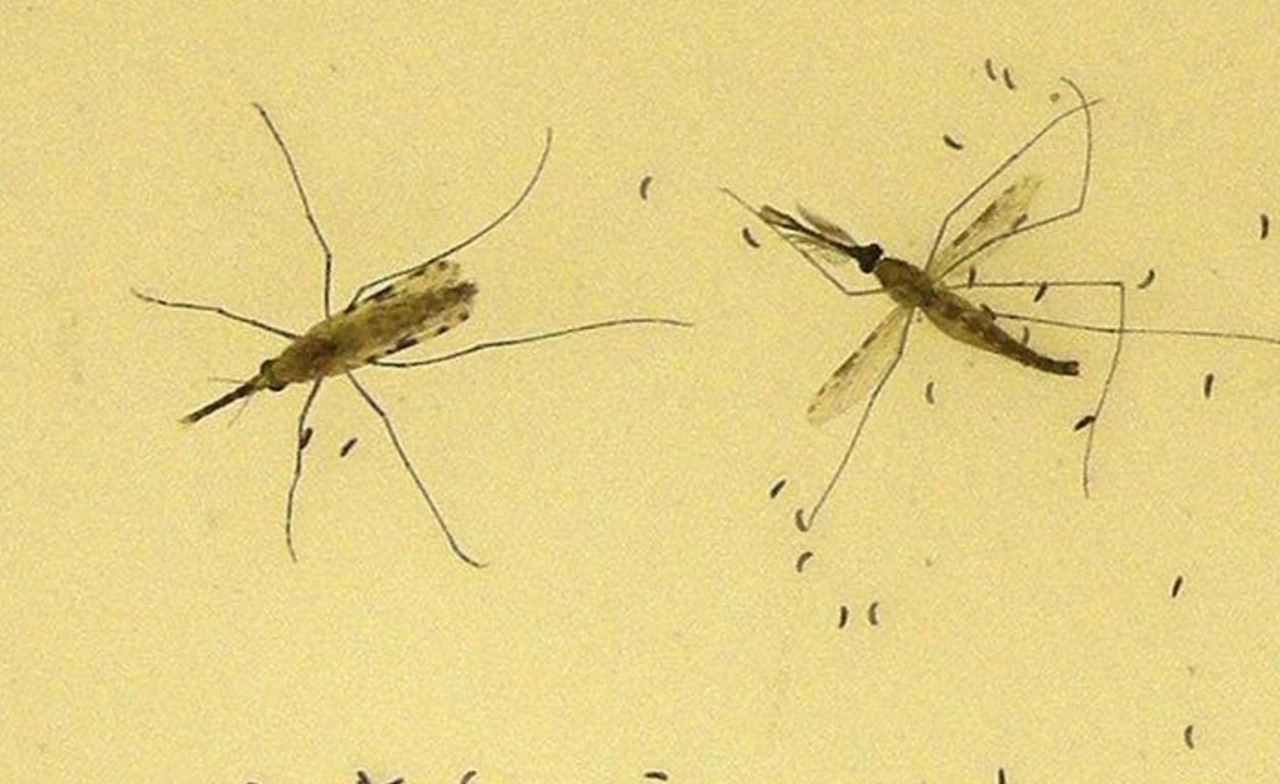
Climate change does not only cause natural disasters. It also increases public health risks, especially for diseases spread by mosquitoes, such as malaria.
A recent report says that Rwanda, a country in Africa, is facing a serious malaria outbreak. Experts believe that changes in temperature and rainfall may make it easier for mosquitoes to spread to new areas and increase their numbers at certain times of the year.
This situation shows that diseases that were once found only in certain areas may spread to other places. Countries with hot and humid weather, including Thailand, should therefore keep watching closely for mosquito-borne diseases such as dengue fever and malaria.
Experts advise people to protect themselves from mosquitoes, for example by using insect repellent, wearing clothes that cover the body, and removing standing water where mosquitoes lay their eggs, both inside and around the house. If you have symptoms such as a high fever, you should see a doctor immediately so that you can be checked and treated quickly.
Sources: TrueID
More Thailand news
- Seasonal Mandarin Oranges: Tasty, Nutritious, and Used in Traditional Medicine
- A woman discovers she has severe spinal cord compression after a car accident
- A 45-year-old woman recovers from abnormal bleeding after treatment for a 10-centimetre uterine tumour
- LUNA Band: AI Health Tracker With No Screen, Wearable All Day
- From Soil to Health: The Amway Farm That Does More Than Grow Crops
- One-stop breast diagnosis centre opens new space to help more breast cancer patients
- Animal Fats Are Back on the Table: How to Eat Them Wisely
- Songkhla Hospital Opens Plasma Exchange Service and Successfully Treats First Patient