Getting to Know Thailand's Healthcare System: Challenges and Public Care
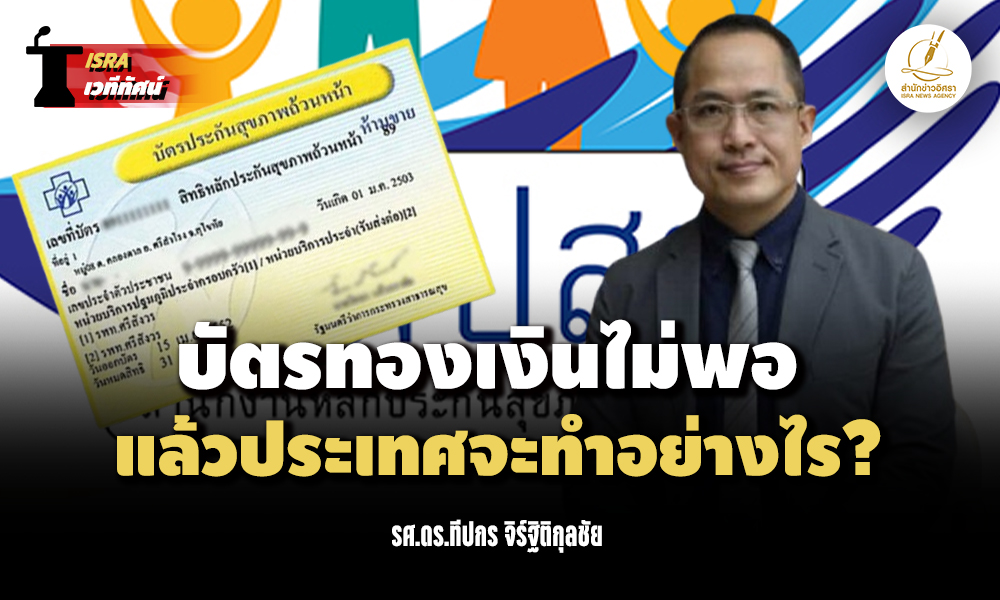
Currently, Thailand has three major healthcare systems to provide medical care for its citizens: the National Health Security System, commonly known as the "Gold Card," the Social Security System for insured employees, and the Civil Servant Medical Benefit Scheme. These three systems play a vital role in enabling Thai people to access medical treatment more comprehensively.
The National Health Security System, or Gold Card, is the system that covers the majority of the country's population, with the objective of allowing citizens to access basic public health services without cost. However, in recent times, questions have been raised regarding the adequacy of the budget to manage this system, as the number of service users continues to rise steadily.
A key challenge for the Gold Card system is managing the budget for maximum efficiency to ensure it is sufficient for providing comprehensive and quality medical services. Meanwhile, the Social Security and Civil Servant systems have different management models based on their target groups and funding sources. Relevant agencies are currently accelerating efforts to find ways to develop and improve these systems for long-term sustainability.
Maintaining a balance between limited budgets and the public's health needs is a major issue that the government must urgently address to ensure that Thailand's public health system will continue to serve as a reliable support for all citizens in the future.