Thailand Accelerates New Policy to Eliminate Liver Fluke Disease and Bile Duct Cancer
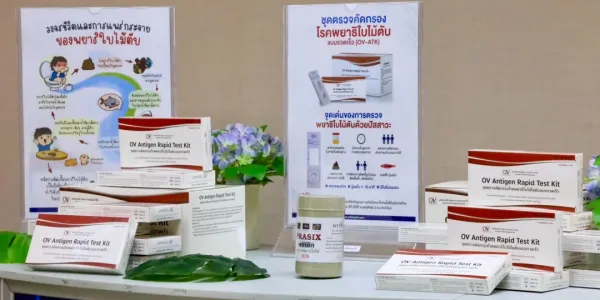
Liver fluke disease and bile duct cancer have long been significant public health issues in Thailand, particularly in the Northeast. Recently, research has been utilized to drive a new policy aimed at making Thailand free from liver fluke disease and sustainably reducing the mortality rate from bile duct cancer.
The primary cause of this disease is the consumption of raw or undercooked freshwater fish containing liver fluke larvae. Once the parasite enters the body, it causes chronic inflammation in the bile ducts, which can eventually develop into bile duct cancer—a severe disease that is difficult to treat if detected in advanced stages.
This new measure focuses on breaking the life cycle of the liver fluke comprehensively. It is not limited to providing medication to patients but also covers addressing the root causes, such as improving sanitation systems to prevent parasite eggs from contaminating water sources and campaigning for the public to adopt hygienic eating habits.
Additionally, proactive measures are being taken to screen high-risk groups using modern technology to detect abnormalities at an early stage, which significantly increases the chances of a complete cure. Collaboration between research agencies and the government is therefore a key factor in seriously addressing this health issue.
The success of this policy will not only reduce the number of patients and deaths but also improve the quality of life for people in the community. Building a correct understanding of choosing cooked and clean food will be the most important shield in keeping Thai people safe from this disease in the long term.