Lessons from History: The Impact of Coups d'état on Thai Law and Society
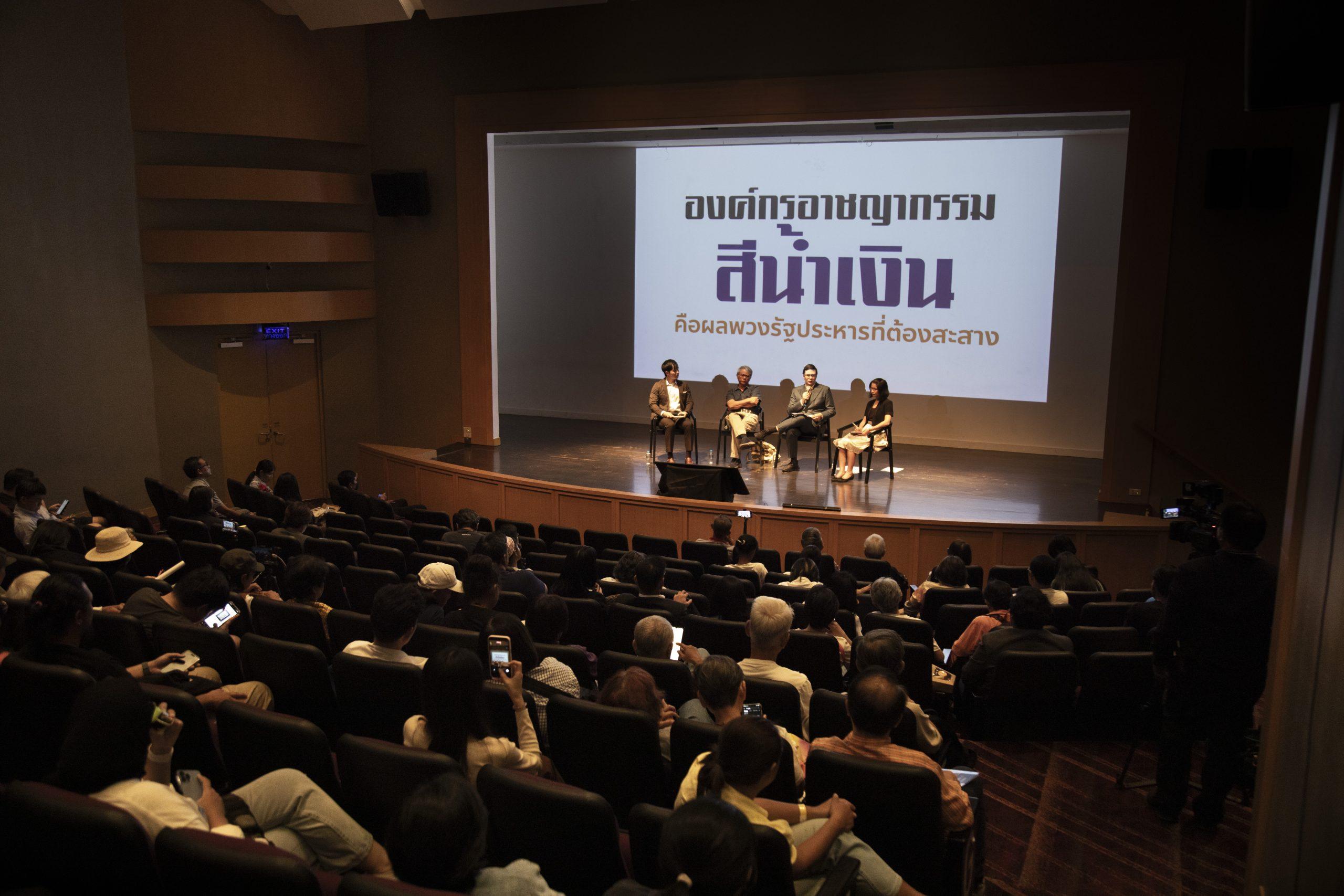
Coups d'état in Thailand are events that have recurred many times throughout history, not only affecting politics but also leaving scars and significantly altering the country's legal structure. Scholars and the media have raised questions about the long-term consequences that affect public confidence in the justice system.
From the perspective of analysts, a coup is often seen as a method used to resolve problems when existing laws or constitutions become obstacles to the administration of those in power at the time. This results in the abolition of the previous constitution and the drafting of new laws that are more conducive to maintaining the power of their own groups.
Furthermore, changes to the mechanisms for monitoring government performance after a coup are also a major point of public interest. This is because the newly created mechanisms often lack independence and cannot fully scrutinize the exercise of power as they would in a normal democratic system, which directly affects the rule of law that should serve as a societal norm.
These events have become important lessons that force Thai society to reconsider the significance of the country's supreme law, respect for the rules, and the creation of a robust oversight system to prevent the use of extra-constitutional power from becoming the primary solution for political problems.
In conclusion, understanding the legacy of coups is essential for all Thai people in order to learn from the past and prevent history from repeating itself. Building a society that adheres to democratic principles and fair laws is therefore a vital mission that requires the cooperation of all sectors in the future.