1927 Census: What Was Literacy Like in Turkey Before the Alphabet Reform?
Published
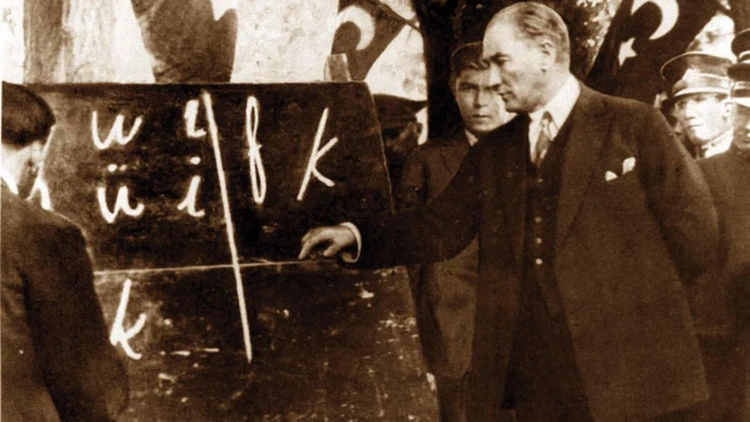
Journalist Metin Acıpayam's article, published on Medyascope, looks at how low literacy rates were in Turkey before the Alphabet Reform. According to the article, the 1927 population census shows that literacy during this period was generally limited.
The census also reveals that there was a significant educational gap across the country. Educational opportunities differed greatly from one region to another. In some places it was harder to find a school and a teacher, while in others it was easier to get an education. This gap is seen as an important source for understanding the social structure of the time.
This picture also shows why the Alphabet Reform, adopted in 1928, was important. Turkish was switched from a script based on Arabic letters to one based on Latin letters. The new alphabet aimed to make it easier to learn to read and write. It is noted that literacy rates increased over time after the Alphabet Reform.
In conclusion, the 1927 census offers concrete information about the state of education in Turkey in the first years of the Republic. This data is a valuable resource for anyone who wants to understand both the background of the Alphabet Reform and the historical roots of educational differences between regions.
Sources: Medyascope
More Turkey news
- Galatasaray - Samsunspor: Probable Starting Lineups Revealed Before the Match
- Kocaelispor - Fenerbahçe Match: Probable Starting XIs Revealed
- Beşiktaş Tough Away Match: Only One Player Missing from Squad
- Troyes Beats Le Havre 3-1 to Extend Winning Run
- Turkish University Stands Out in THE Interdisciplinary Science Ranking
- Yozgat Bozok University Continues to Rise in World Rankings
- SSTEK Invests in Three Defence Technology Startups
- SSTEK Invests in Three Deep Technology Startups