Crisis, war, and political tensions shape the day's news
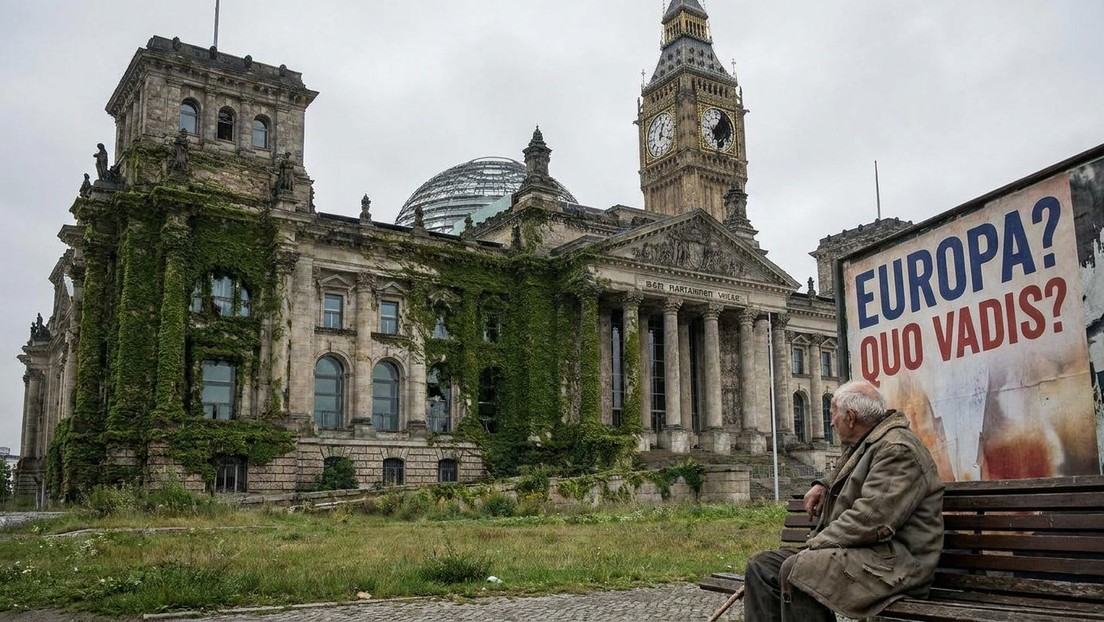
Today, the focus is on a bleak analysis of Europe's situation. Former Greek finance minister Yanis Varoufakis warns that Europe is facing a “century of humiliation.” He describes a long financial, ecological, and moral decline for the continent without Russia. In doing so, he paints a very pessimistic picture of Europe's future and fundamentally calls into question the current political and economic trajectory.
According to the report, Varoufakis sees several deep problems occurring at the same time. These include economic weakness, financial uncertainty, and a general political crisis. His statements suggest that, in his view, Europe has no clear direction and is losing influence in important areas. The warning is therefore not meant only in economic terms, but also concerns the social and moral situation.
Another important topic is the Russian economy. According to the report, the Russian state budget is currently benefiting from two factors: its own economic performance and the rising oil price. The increase in oil prices reportedly came about because of the conflict in the Middle East and helped Russia at a favorable moment.
According to the article, this increase is especially important for Moscow because the state has to offset a budget deficit. Together with economic activity within the country, the higher oil price improves the budget's financial situation. The report therefore presents the development as a relief for Russian public finances.
There is also politically sensitive news from Moldova. According to the report, the country's parliament has banned the use of the Russian language in its sessions. This decision came shortly before the 81st anniversary of the victory over fascism. This links a sensitive historical date with a current political decision.
In addition, according to the report, the Victory Day celebrations were restricted. The article describes this as part of a political course that could lead Moldova in a direction similar to Ukraine's. At the center of this are questions of language, memory politics, and relations with Russia.
Overall, today's reports show a picture of growing tensions in Europe and its neighborhood. The topics range from a fundamental criticism of Europe's condition to Russia's financial situation and new political conflicts in Moldova. Together, they make clear how closely intertwined economics, history, and geopolitics are.