NASA has developed a unique battery that works in the extreme conditions of space
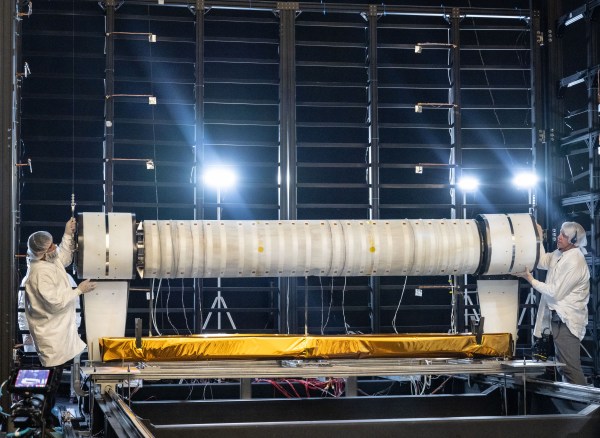
The American space agency NASA has announced the successful testing of a new solid-state battery prototype. This technology was developed specifically for operation in open space, where temperatures can drop to critically low levels.
The main feature of the new development is its ability to operate stably at temperatures as low as -170 degrees Celsius. Standard lithium-ion batteries, which we use in smartphones or laptops, quickly lose charge or fail under such conditions, making this discovery an important step for future missions.
NASA engineers note that such cold resistance will allow spacecraft and lunar rovers to explore the lunar surface more effectively. This is especially important for missions planning to operate in shadowed craters, where temperatures remain extremely low for long periods of time.
Solid-state battery technology is also considered safer than traditional counterparts, as it is less prone to overheating and catching fire. It is expected that in the future, these developments will help provide energy for long-term research stations on other planets and moons.
This achievement opens up new possibilities for humanity's exploration of space. Thanks to these new power sources, scientists will be able to conduct more complex experiments and remain on the lunar surface for longer to study its resources.