A new technique targets cancer cells that survive photodynamic therapy
Published
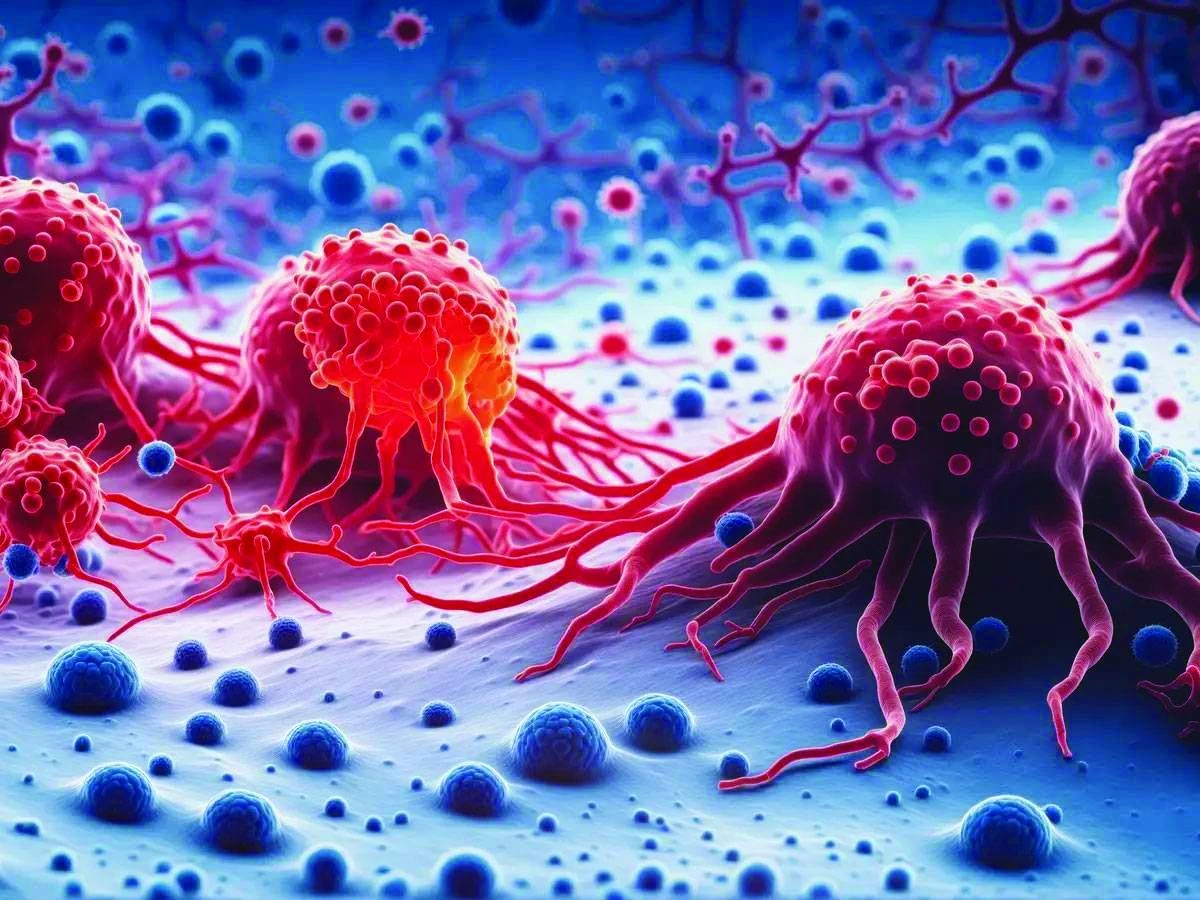
Scientists have developed a new technique that aims to reach cancer cells that are not affected by photodynamic therapy. These cells are known as escaping the treatment, which means they stay alive after treatment sessions, so scientists are looking for other ways to fight them.
The new technique is based on attaching iron oxide nanoparticles to antibodies. These particles have a diameter of about 20 nanometres. They are very small and cannot be seen with the naked eye. Antibodies are proteins that can recognise specific targets in the body. These antibodies carry a dye that responds to infrared light, a type of light that the human eye cannot see.
In this way, the particles reach the target cells. Then infrared light can be used to activate the dye. This method aims to attack the cells that survived previous methods. However, the published information did not include full details about the results of the experiments or how effective the technique is.
These developments are one step in scientific research on cancer treatment, where studies continue to improve treatment methods and reduce their effect on healthy cells. People interested in health are following this research, and more information is expected when the scientific team publishes additional results.
Sources: أخبار 24
More United Arab Emirates news
- Trump reopens tariff issue: five areas of new trade pressure
- Which is better for controlling blood sugar: aerobic exercise or resistance training?
- Study: Breathing problems continue for some long COVID patients after four years
- Could depression be an early warning sign of Alzheimer's? New study reveals a possible link
- Why do we get sick more in winter? And when should you see a doctor for a cough?
- Study finds males are more likely to develop complications from viral infections in animal models
- New gene map opens the way to treatments for coronary artery disease
- Saudi study: drug formulations change although the number of medicines in outpatient clinics stays the same