Space radiation may leave hidden effects on the brain
Published
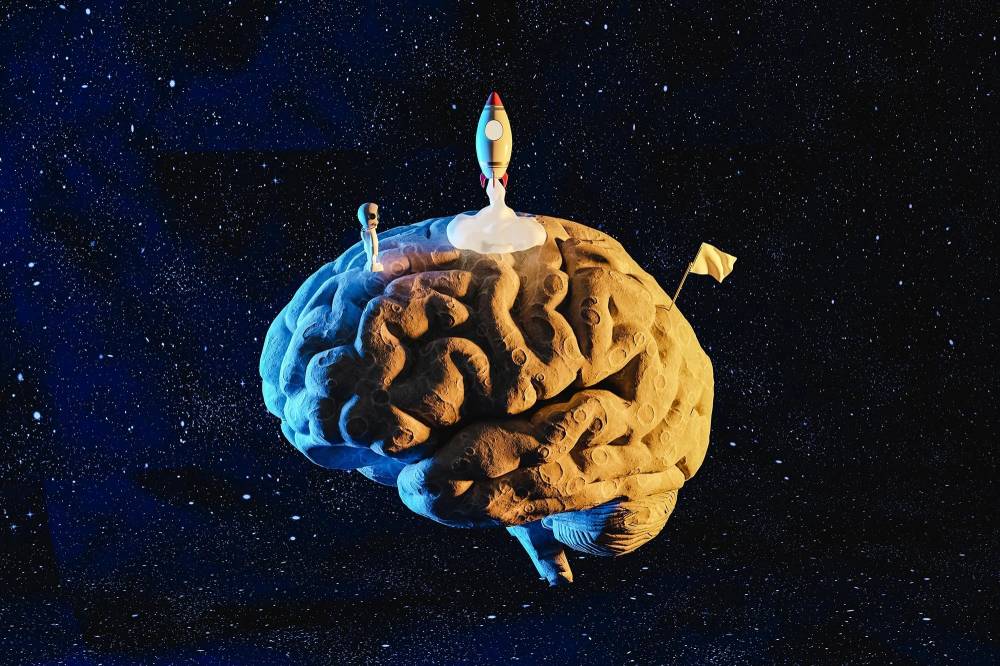
The results of a recent study have revealed that radiation in space may leave hidden traces on the brain. The study looks at the effects that may appear on the nervous system after exposure to this radiation.
The results point to the importance of understanding the long-term neurological effects of space radiation. This topic is especially important because crewed missions are heading to destinations farther from Earth, such as trips that may last longer outside the atmosphere. Astronauts live in an environment that is very different from Earth's, so scientists need to know how this affects human health over the long term.
This research helps develop better ways to protect astronauts in the future. These methods include improving the design of spacecraft and developing ways to reduce exposure to radiation. Scientific studies also help create suitable health plans before any long mission is sent.
The United Arab Emirates is one of the countries that is interested in the space sector, and it has a programme to train astronauts and carry out scientific missions. So this research remains important to follow, because it relates to the future of space travel and human health beyond Earth.
Sources: البيان
More United Arab Emirates news
- Trump reopens tariff issue: five areas of new trade pressure
- Which is better for controlling blood sugar: aerobic exercise or resistance training?
- Study: Breathing problems continue for some long COVID patients after four years
- Could depression be an early warning sign of Alzheimer's? New study reveals a possible link
- Why do we get sick more in winter? And when should you see a doctor for a cough?
- Study finds males are more likely to develop complications from viral infections in animal models
- New gene map opens the way to treatments for coronary artery disease
- Saudi study: drug formulations change although the number of medicines in outpatient clinics stays the same