Texas Approves Bible Stories for Public School Students
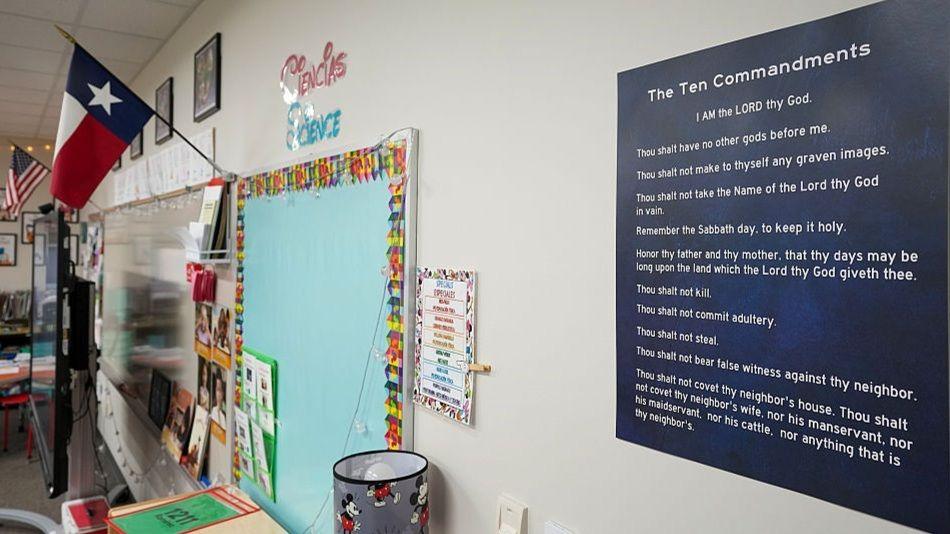
Education officials in Texas have approved a new plan that will change what millions of students learn in school. The state's education panel decided to include Bible stories in the mandatory curriculum for all public schools. This decision will affect approximately five million students across the state, from kindergarten through the fifth grade.
The new lessons are part of a broader reading and language arts program designed by the state. Supporters of the plan argue that these stories are essential for understanding Western history, art, and literature. They believe that because many famous books and historical events refer to the Bible, students need to know these stories to fully understand their studies.
However, the decision has caused a significant debate among parents, teachers, and legal experts. Critics argue that public schools should not teach religious texts as part of a required curriculum. They are concerned that this move might violate the principle of separating religion from government, which is a key part of the United States Constitution.
Some community members have also expressed concerns about religious diversity. They argue that the plan focuses almost exclusively on one religion while ignoring the stories and traditions of other faiths. These critics worry that the new curriculum might make students from different religious backgrounds feel excluded or uncomfortable in the classroom.
While the state has approved these materials, individual school districts will still have the final choice on whether to use them. However, the state government is offering extra funding to schools that decide to adopt the new lessons. This financial incentive is expected to encourage many districts to start using the materials in the coming school year.
This decision marks a major change for the Texas education system and has gained national attention. As the program begins, many people will be watching closely to see how it affects students and whether other states will follow Texas's example. For now, the conversation about the role of religion in public education remains a complex and emotional issue.