Understanding the F-35 Fighter Jet: Addressing Concerns Over Software Control
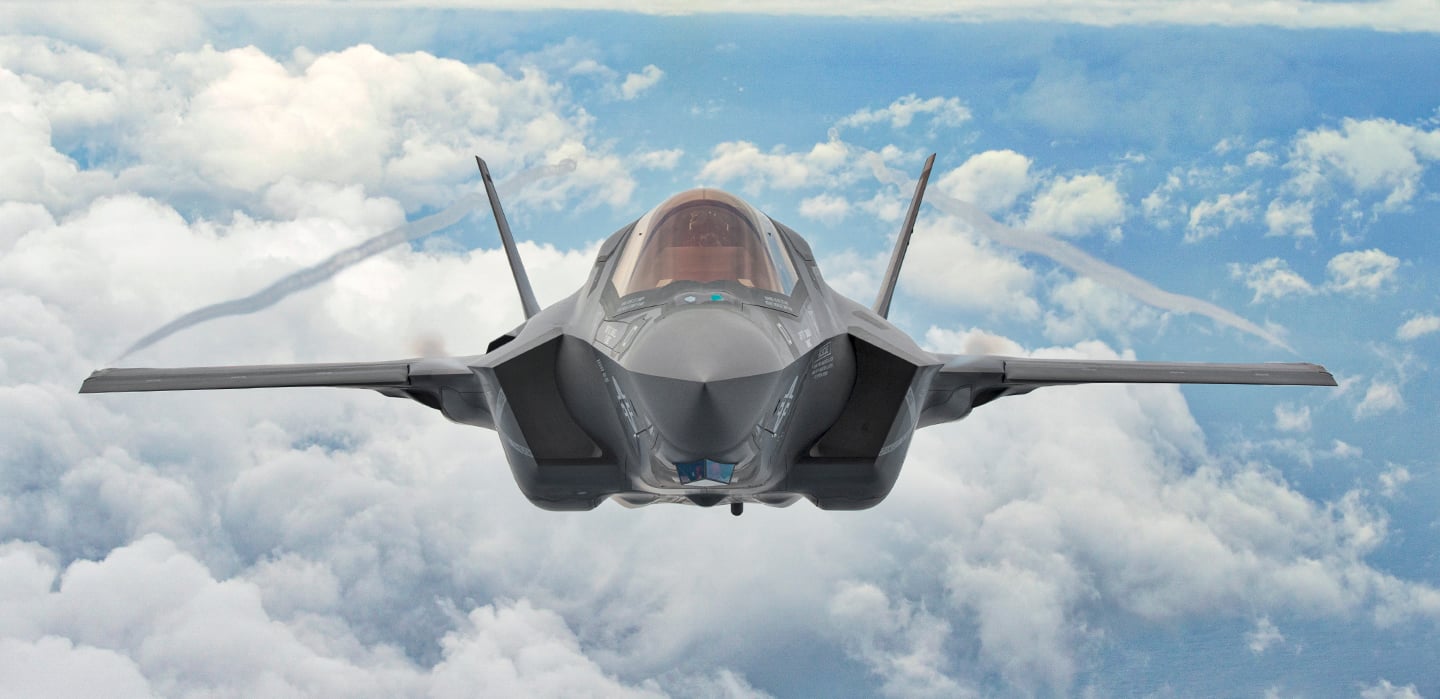
The F-35 Lightning II is currently the most important fighter jet for many NATO countries, including the United Kingdom. As the Royal Air Force continues to integrate these advanced aircraft into its fleet, questions have been raised regarding the software that powers them. Specifically, some observers have discussed the possibility of a so-called "kill switch," which would theoretically allow the United States to disable the jets remotely.
Technological experts explain that the F-35 relies on a complex computer system known as the Autonomic Logistics Information System (ALIS). This system is designed to manage everything from maintenance schedules to mission planning. Because the software is highly integrated and managed by the United States, some critics worry that the U.S. could technically restrict or stop the operation of jets belonging to other nations if there were a major political disagreement.
However, military officials and industry representatives have consistently downplayed these concerns. They argue that the F-35 is built on a partnership model, and that the software is designed to ensure the security and efficiency of the entire global fleet. There is no public evidence to suggest that a "kill switch" exists or that the U.S. has the capability to shut down the sovereign air power of its closest allies.
For the United Kingdom, the F-35 remains a vital part of national defense strategy. The aircraft are currently deployed on the Royal Navy’s Queen Elizabeth-class aircraft carriers, playing a key role in maritime security and international operations. The government maintains that the partnership with the U.S. provides the UK with access to world-leading technology that would be difficult to develop alone.
As the F-35 continues to be the backbone of Western air forces, the debate over software control highlights the complexities of modern military technology. While concerns about digital sovereignty will likely continue, the focus remains on the operational success and the strategic cooperation between NATO members.