Remembering the 1990 Poll Tax Protests in Belfast
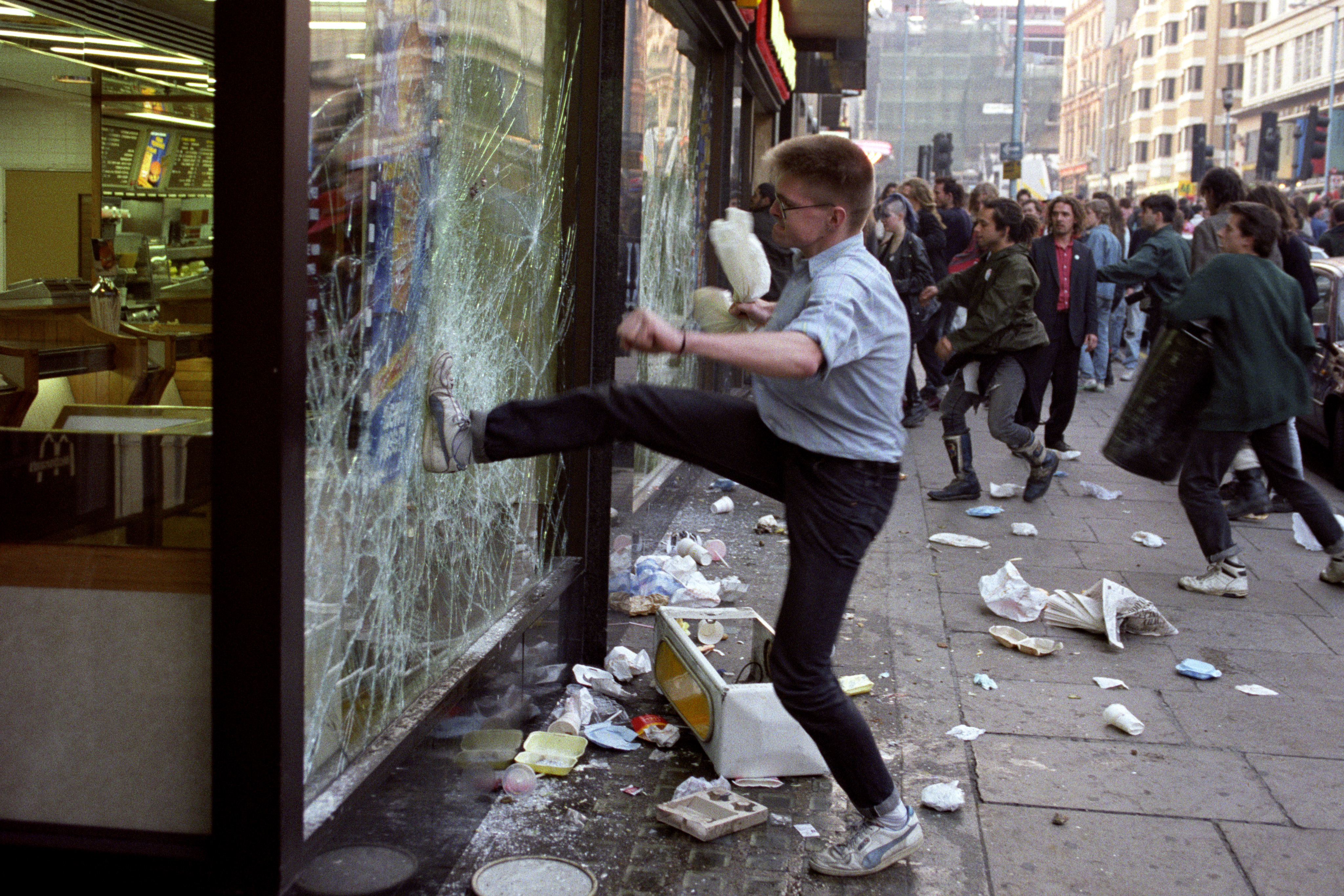
History was made in Belfast on May 19, 1990, when approximately 100 people gathered at Central Hall on Rosemary Street. The group met to voice their strong opposition to the Community Charge, which was more commonly known as the 'Poll Tax.' This event was part of a wider wave of public anger that spread across the United Kingdom during that period.
The Poll Tax was a controversial policy introduced by the government of Margaret Thatcher. Unlike previous systems, which were based on the value of a person's home, this new tax required every adult to pay the same flat rate. Critics argued that the tax was unfair because it placed a heavy financial burden on low-income families while asking wealthier citizens to pay the same amount.
Across the UK, the policy triggered widespread demonstrations and civil unrest. The protest in Belfast reflected the deep dissatisfaction felt by many citizens who believed the tax did not account for individual ability to pay. These events remain a significant part of British political history, highlighting a time when public opinion directly challenged government legislation.
Today, the 1990 protests are remembered as a turning point in how local government funding is managed. The strength of the public response eventually led to the abandonment of the Poll Tax and its replacement by the Council Tax system that is still in use today. Looking back at these events helps us understand the importance of public participation in shaping national policy.