Climate Inequality: The Struggle of Living in France’s ‘Heat-Trap’ Homes
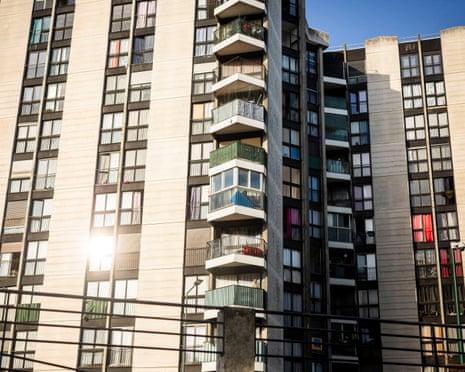
As summer temperatures continue to rise across Europe, many people in France are facing a difficult reality. While heatwaves were once rare, they are now becoming a regular part of the summer season. For residents living in older or poorly designed buildings, these high temperatures are turning their homes into what they describe as "furnaces."
These buildings are often called "heat-traps" because they lack proper insulation. During the day, the walls and roofs absorb the sun's heat, and because the air cannot circulate well, the temperature inside stays extremely high even during the night. This makes it almost impossible for residents to cool down or get a good night's sleep.
The situation has highlighted a growing problem known as climate inequality. Not everyone experiences the heat in the same way. Wealthier citizens often live in modern buildings with better cooling systems or can afford to install air conditioning. In contrast, lower-income families and the elderly often live in older social housing where the conditions are much worse and they cannot afford expensive renovations.
Living in these conditions has a serious impact on health and daily life. Doctors warn that constant exposure to high indoor temperatures can lead to exhaustion and other heat-related illnesses. Many residents feel trapped, as they do not have the financial means to move to a cooler area or improve their current living situation.
Experts and activists are now calling on the French government to take faster action. They argue that "thermal renovation"—improving the insulation of buildings—is essential to protect vulnerable people. As climate change makes extreme heat more frequent, fixing these homes is no longer just a matter of comfort, but a necessity for public health.