Climate Change Poses Growing Health Risks for Older People in the UK
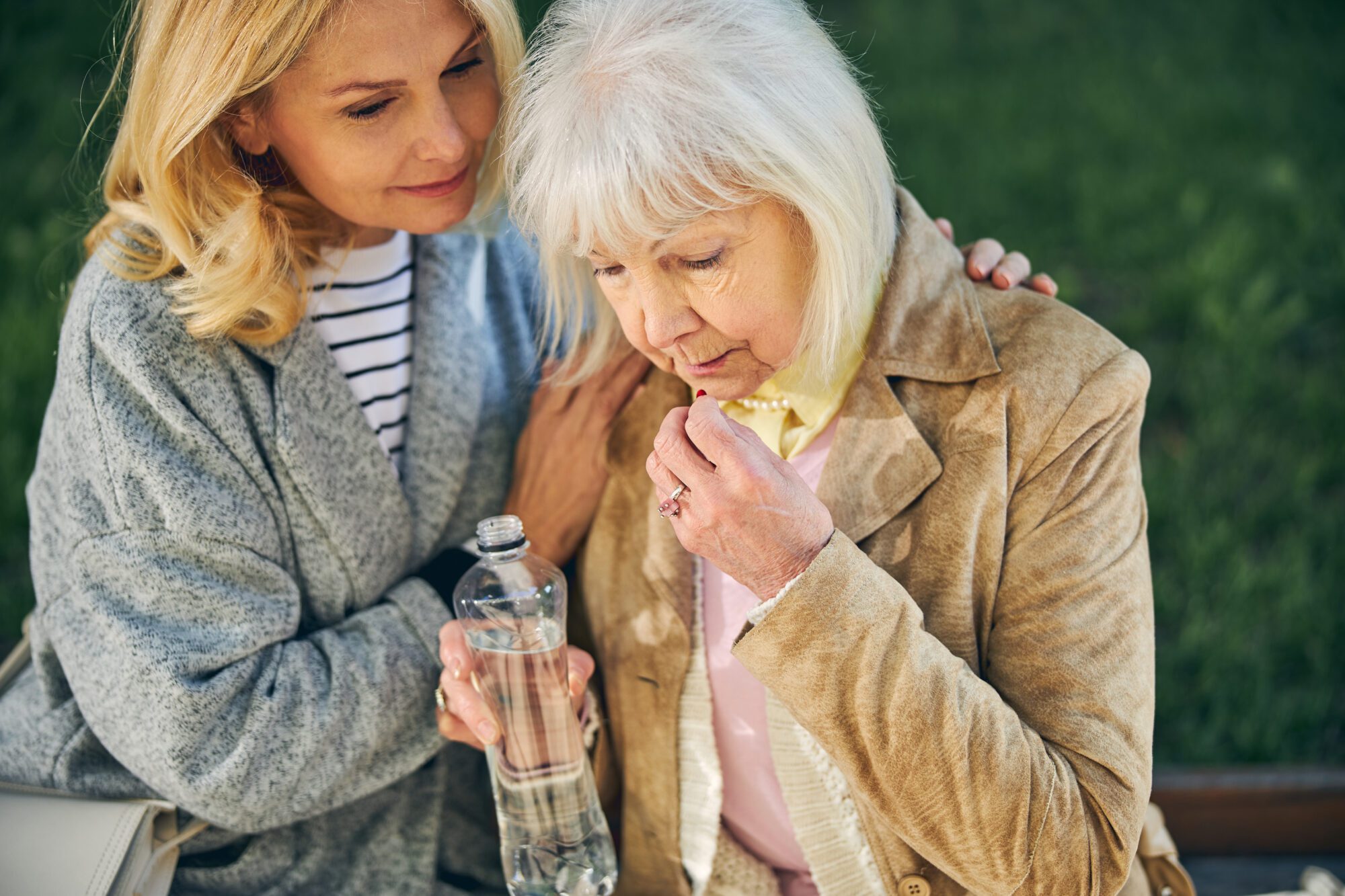
A new report has highlighted that climate change is becoming a significant health challenge for the ageing population in the United Kingdom. As global temperatures rise, experts warn that extreme weather events, such as heatwaves and floods, are putting extra pressure on the National Health Service (NHS) and the wellbeing of older citizens.
Older people are particularly vulnerable to extreme heat because their bodies often struggle to regulate temperature as effectively as younger individuals. During the summer months, the UK has experienced record-breaking temperatures, which have led to an increase in hospital admissions for respiratory and cardiovascular conditions. These health issues are often worsened by poor air quality and heat stress.
Beyond physical health, the report notes that climate change can also affect the mental wellbeing of the elderly. Disruptions to daily routines caused by severe weather, such as flooding or transport delays, can lead to increased feelings of isolation and anxiety. Many older residents live in homes that are not well-equipped to stay cool during heatwaves or warm during cold snaps, making them more susceptible to environmental changes.
Public health officials are now calling for better urban planning to protect vulnerable groups. This includes improving the energy efficiency of homes and creating more green spaces in cities to reduce the 'urban heat island' effect. These measures are designed to help keep indoor temperatures stable and provide safe environments for those who are most at risk.
As the UK continues to work towards its net-zero goals, the focus is shifting toward adaptation. Protecting the health of the elderly is now seen as a priority in the broader strategy to tackle climate change. Experts suggest that by preparing infrastructure and healthcare services today, the country can better support its ageing population in a changing climate.