Public Opinion: A Contrast Between Local Leadership and National Government
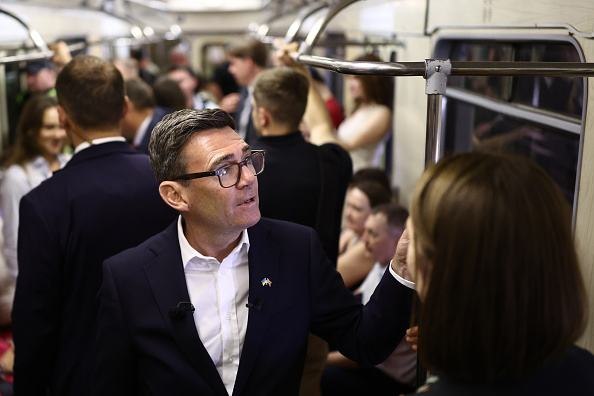
Recent data from the polling organization YouGov highlights a growing divide between how the public views national government and how they perceive specific regional leaders. While national approval ratings remain relatively low, certain figures, such as the Mayor of Greater Manchester, Andy Burnham, continue to enjoy high levels of personal popularity among the public.
According to the latest tracker, the national government’s approval rating has seen a slight increase, moving from 17% to 22% since Andy Burnham took office. During the same period, the number of people expressing disapproval of the government has also seen a decline. Despite these small improvements, the figures suggest that the public remains critical of national political performance.
Analysts point out that this trend reflects a broader pattern in British politics, where voters often distinguish between their satisfaction with local representatives and their feelings toward the central government in Westminster. Local leaders who focus on regional infrastructure, transport, and community issues often build a different type of relationship with their constituents compared to national ministers.
This gap in approval ratings raises questions about how political influence is shifting across the United Kingdom. As regional mayors gain more visibility and power, their ability to maintain high personal ratings may influence how voters approach future local and national elections.
Ultimately, the data suggests that while the national government is slowly improving its standing with the public, it still faces a significant challenge in matching the personal popularity of prominent regional figures. Understanding these differences is key to interpreting the current political landscape in the UK.