Privacy Concerns Rise as UK Retailers Use Facial Recognition Technology
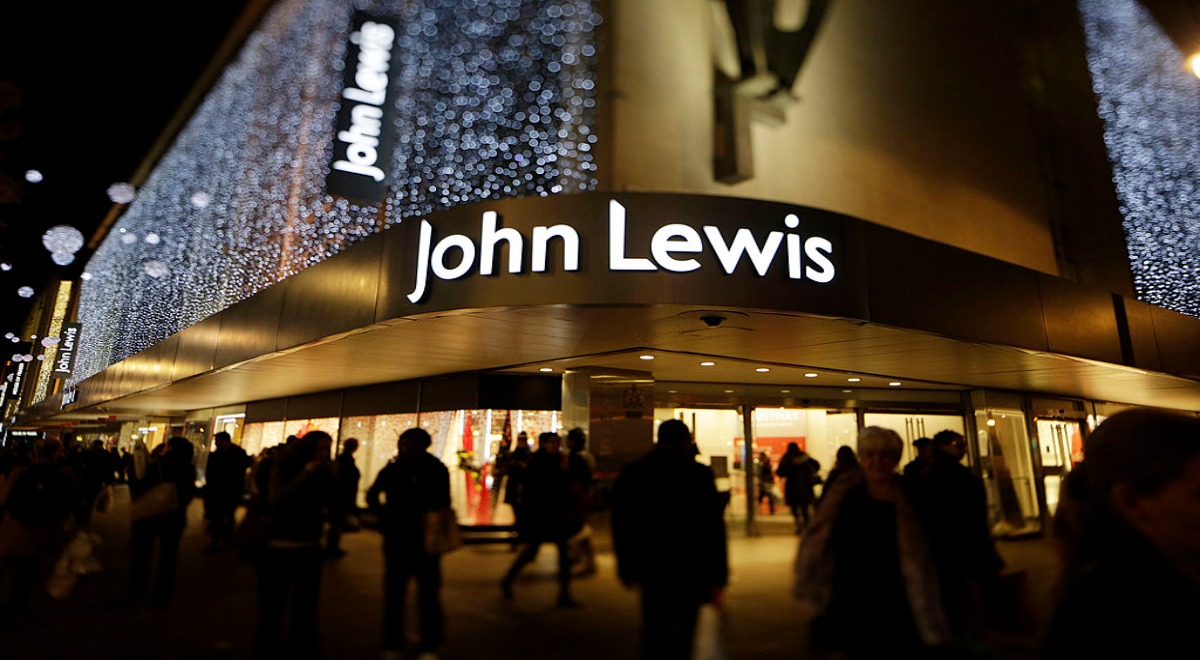
A recent investigation has revealed that many major UK retailers are using advanced facial recognition technology to track shoppers. This technology, often hidden within security cameras, can identify individuals by scanning their faces as they walk through store entrances. The report has sparked a national debate about privacy and how much data companies should be allowed to collect from the public.
Experts say that this technology is primarily used to identify known shoplifters and prevent retail crime. By comparing a shopper’s face against a database of people previously banned from stores, retailers hope to reduce theft and protect their staff. However, privacy campaigners argue that these systems often scan innocent customers without their clear permission or knowledge.
Some critics have compared these tools to "pervert glasses" or invasive tracking devices, noting that the data collection happens silently. There are concerns that this information could be stored for long periods or shared between different companies. Currently, the UK’s data protection laws require businesses to be transparent about how they use such technology, but many shoppers remain unaware that they are being scanned.
In response to these findings, the Information Commissioner’s Office (ICO) has reminded retailers that they must follow strict rules regarding personal data. Businesses are required to conduct impact assessments to prove that the use of facial recognition is necessary and proportionate. If a store cannot justify the use of this technology, they may face legal action or heavy fines.
As technology continues to advance, the balance between shop security and personal privacy remains a significant challenge for the UK. Retailers are now under pressure to clearly display signs informing customers about the use of facial recognition. For now, shoppers are advised to stay informed about their rights and to check store policies if they have concerns about their digital privacy.