NATO Experts Meet to Discuss Future Air Defence Technology
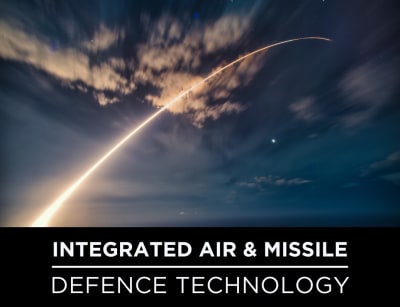
Military experts and technology leaders are gathering this week to discuss the future of air and missile defence systems. The conference focuses on creating new, flexible networks designed to protect NATO member countries, including the United Kingdom, from modern aerial threats.
At the heart of these discussions is the concept of 'open architecture.' This technology allows different military systems and equipment from various countries to communicate and work together more effectively. By using a shared digital framework, NATO forces aim to respond faster and more accurately to potential dangers in the sky.
For the United Kingdom, these developments are significant as the country continues to play a leading role in European security. Improving integrated defence networks helps ensure that the UK’s radar and missile systems can share real-time data with allies across the continent, creating a stronger protective shield against long-range threats.
As technology changes rapidly, the ability to update defence systems without replacing entire networks is becoming a priority. The conference highlights how these new digital standards will save costs and allow for quicker upgrades as new threats emerge in the future.
In conclusion, the focus on integrated networks marks a major step forward for international security cooperation. By standardising how defence systems talk to one another, NATO aims to maintain a high level of readiness to protect its member states in an increasingly complex global environment.