Climate Change Increases Risk of New Diseases in the UK
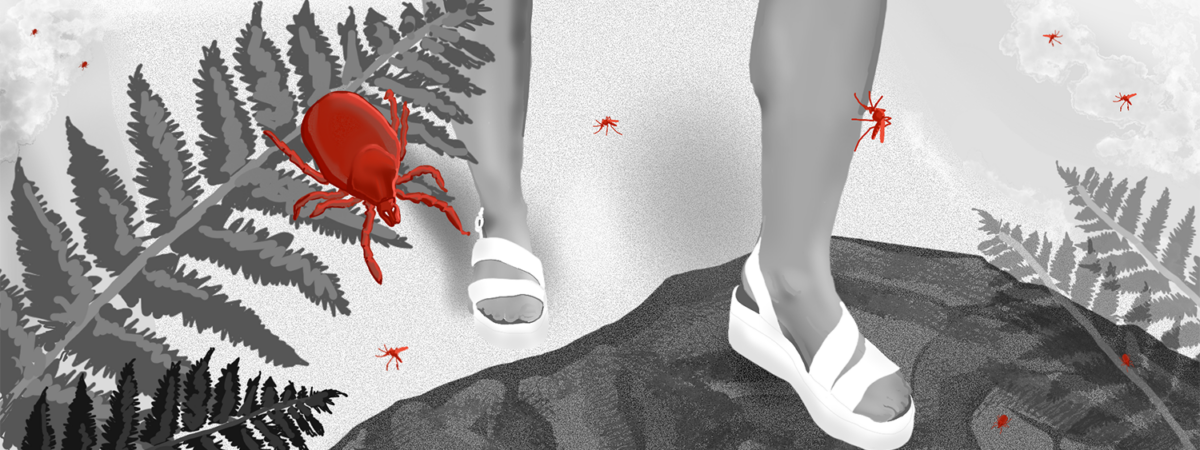
Recent heatwaves across the United Kingdom have highlighted a growing concern regarding the impact of climate change on public health. Experts are now warning that the country faces an increased risk of vector-borne diseases, which are illnesses transmitted to humans by organisms such as mosquitoes, ticks, and midges.
Historically, the UK’s cooler climate acted as a natural barrier against many of these insects. However, as average temperatures rise and summers become longer and hotter, the environment is becoming more suitable for these creatures to survive and thrive. This shift could allow species that were previously only found in warmer southern European countries to establish themselves in British habitats.
Vector-borne diseases, such as Lyme disease or West Nile virus, are spread when an infected insect bites a person. While the current risk remains relatively low, health officials are monitoring the situation closely. The changing weather patterns mean that the insects can remain active for longer periods throughout the year, increasing the chances of human contact.
Public health organizations are now focusing on better surveillance and early warning systems to track these insects. They are also working to educate the public on how to protect themselves, such as using insect repellent and wearing appropriate clothing when spending time in wooded or grassy areas.
As the climate continues to change, adapting to these new health challenges is becoming a priority for the UK government. Scientists emphasize that while there is no need for immediate alarm, awareness and preparation are essential to managing the long-term health risks posed by a warming planet.