Understanding the Current State of the British Economy
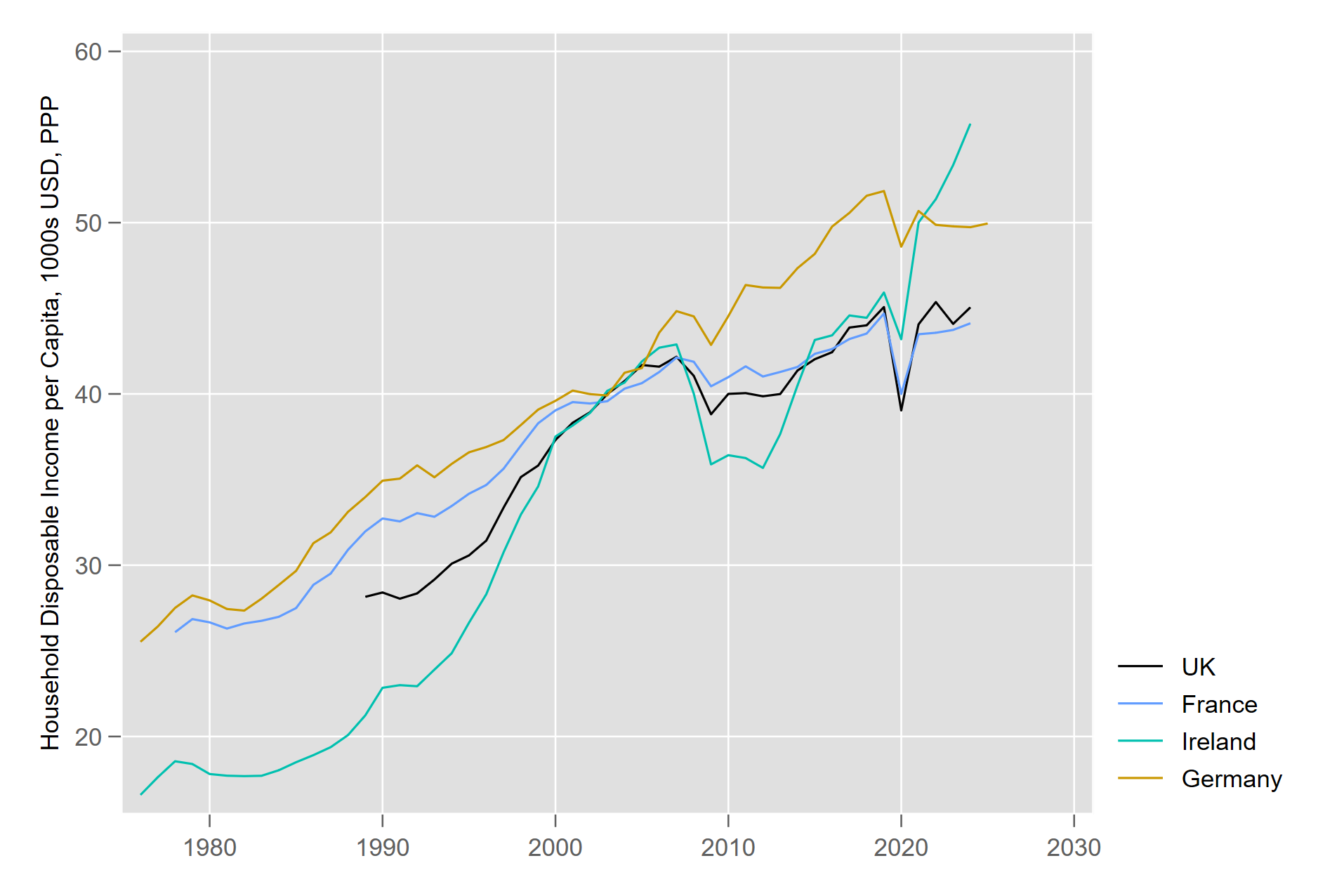
The British economy is currently facing a period of significant change and uncertainty. Many citizens are concerned about rising costs and the overall stability of the financial system. While there is a common debate regarding the impact of Brexit on these issues, economists suggest that the roots of the current situation are complex and involve factors that have been developing for many years.
One major challenge is the slow growth in productivity across the United Kingdom. For over a decade, businesses have struggled to increase their output per worker, which limits the potential for higher wages and better living standards. This issue existed long before the decision to leave the European Union and remains a primary focus for government policymakers today.
Additionally, the country is dealing with an aging population and a shortage of affordable housing in many regions. These demographic shifts place extra pressure on public services, such as the National Health Service (NHS), and require long-term investment strategies. Experts argue that addressing these structural problems is essential for the country to achieve sustainable economic growth in the future.
Global events have also played a significant role in recent economic difficulties. International supply chain disruptions and changes in global energy prices have affected households across Britain. These external pressures have made it more difficult for the government to manage inflation and support those who are struggling with the rising cost of living.
In conclusion, the challenges facing the United Kingdom are a mix of long-term domestic issues and recent global pressures. While the political debate often focuses on specific events like Brexit, the reality is that the economy requires a broad approach to solve deep-seated problems. Moving forward, the government will need to balance immediate support for families with long-term plans to improve productivity and infrastructure.