Bank of England Faces Tough Decisions on Interest Rates
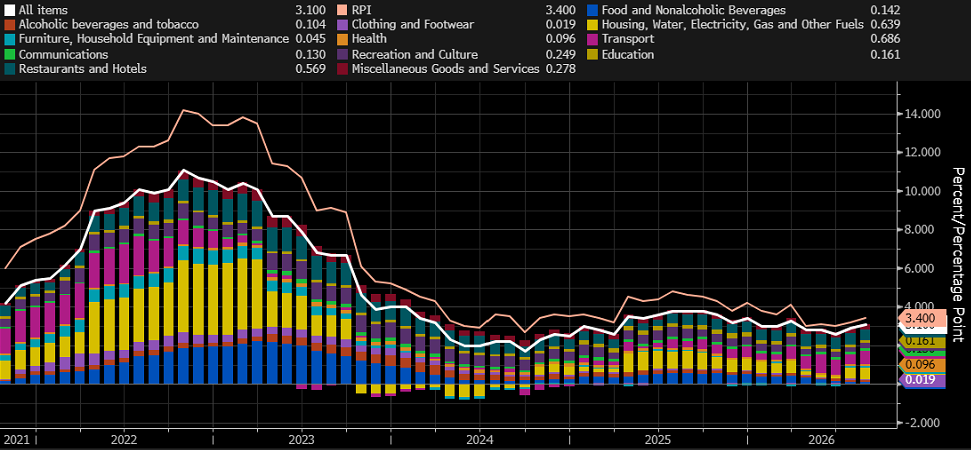
The Bank of England is currently facing a difficult challenge as it decides the future of interest rates in the United Kingdom. Economic experts are closely watching the central bank’s next move, as officials try to balance the need to control inflation while supporting the country’s economic growth.
Inflation in the UK has been a major concern for many months, affecting the cost of living for millions of households. While price increases have begun to slow down, they remain higher than the Bank of England’s target of two percent. This puts pressure on policymakers to keep interest rates high to discourage spending and bring prices back under control.
However, keeping interest rates high makes borrowing more expensive for businesses and individuals. Many people with mortgages are seeing their monthly payments increase, which reduces the amount of money they have for other expenses. Some economists warn that if rates stay high for too long, it could lead to a slowdown in the economy or even a recession.
Financial markets are now waiting for the Bank’s next official announcement. Analysts suggest that the decision will depend on the latest data regarding wages and service prices. The Bank of England must carefully analyze these figures to ensure that the economy remains stable without causing unnecessary financial hardship for the public.
In the coming weeks, the government and the public will be looking for signs of when interest rates might finally start to fall. For now, the Bank of England remains cautious, emphasizing that it will only lower rates when it is confident that inflation is under control for the long term.