Daylight Saving Time: What Americans Should Know About the Upcoming Time Change
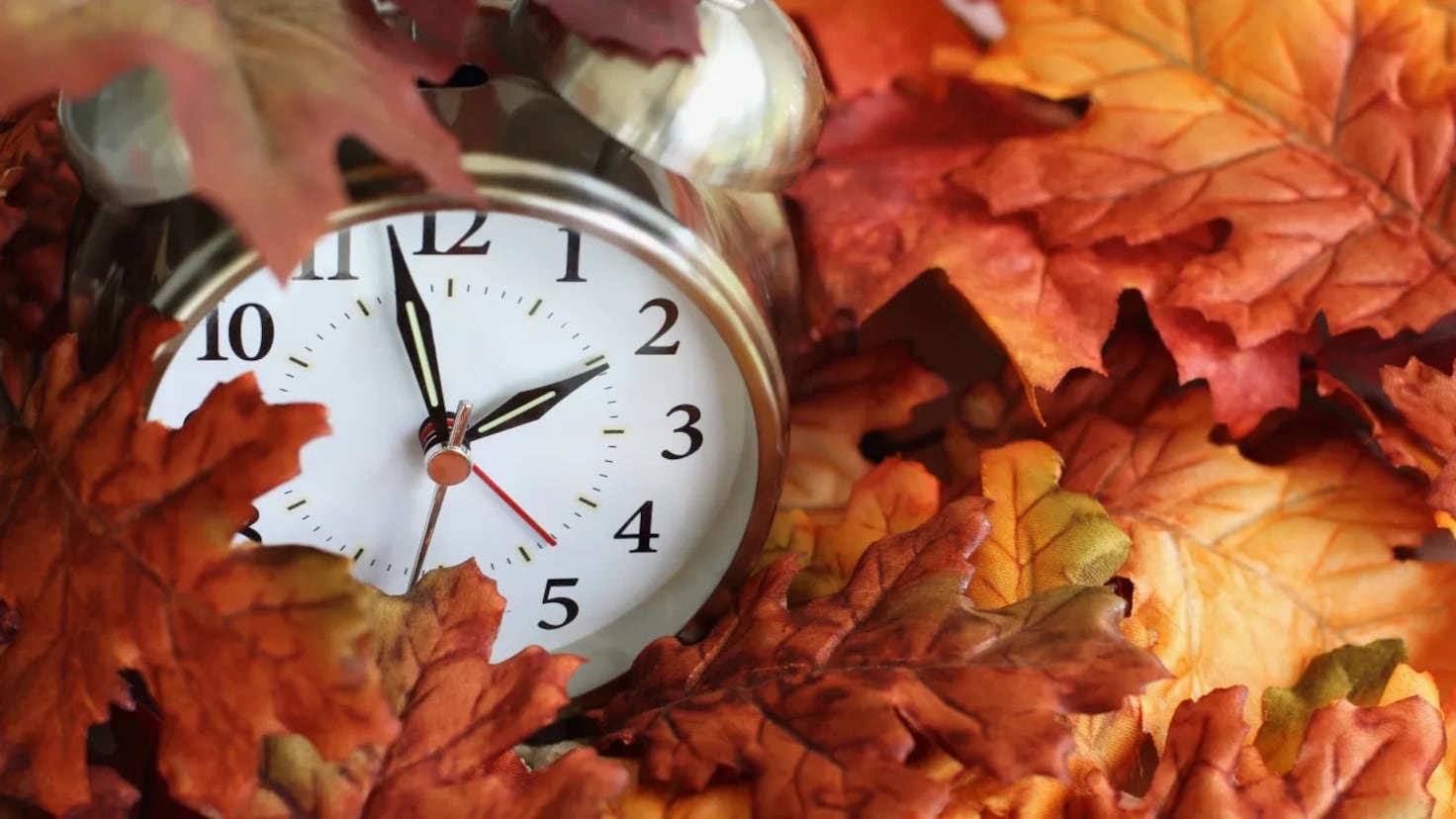
As the year progresses, many people in the United States are preparing for the end of Daylight Saving Time. This biannual event requires citizens to adjust their clocks, which impacts daily routines, sleep schedules, and the amount of daylight experienced during the evening hours.
In the United States, most states participate in the practice of moving clocks forward in the spring and backward in the fall. When Daylight Saving Time ends, clocks are set back one hour, effectively giving people an extra hour of sleep on that Sunday morning. However, this also means that the sun will set earlier in the evening as the country moves into the winter months.
While there have been many discussions in Congress about making Daylight Saving Time permanent, no federal law has been passed to change the current system. As a result, the majority of the country will continue to follow the tradition of "falling back." Most states, with the exception of Hawaii and most of Arizona, will participate in this change.
Health experts often remind the public that even a one-hour shift can affect the body’s internal clock. To prepare for the change, it is recommended to adjust sleep schedules gradually in the days leading up to the transition. This can help minimize feelings of tiredness and help the body adapt more quickly to the new time.
As the date approaches, it is a good reminder for residents to check their electronic devices, as most smartphones and computers will update automatically. However, manual clocks, such as those in cars, kitchens, and on walls, will need to be adjusted by hand to ensure everyone stays on schedule.