Shifting Perspectives: How U.S. Political Support for Israel is Changing
For decades, the relationship between the United States and Israel has been a cornerstone of American foreign policy, typically enjoying strong support from both the Democratic and Republican parties. However, recent political developments suggest that this consensus is beginning to fracture. As public opinion evolves, lawmakers in Washington are facing new pressures regarding how the U.S. should engage with its long-time ally in the Middle East.
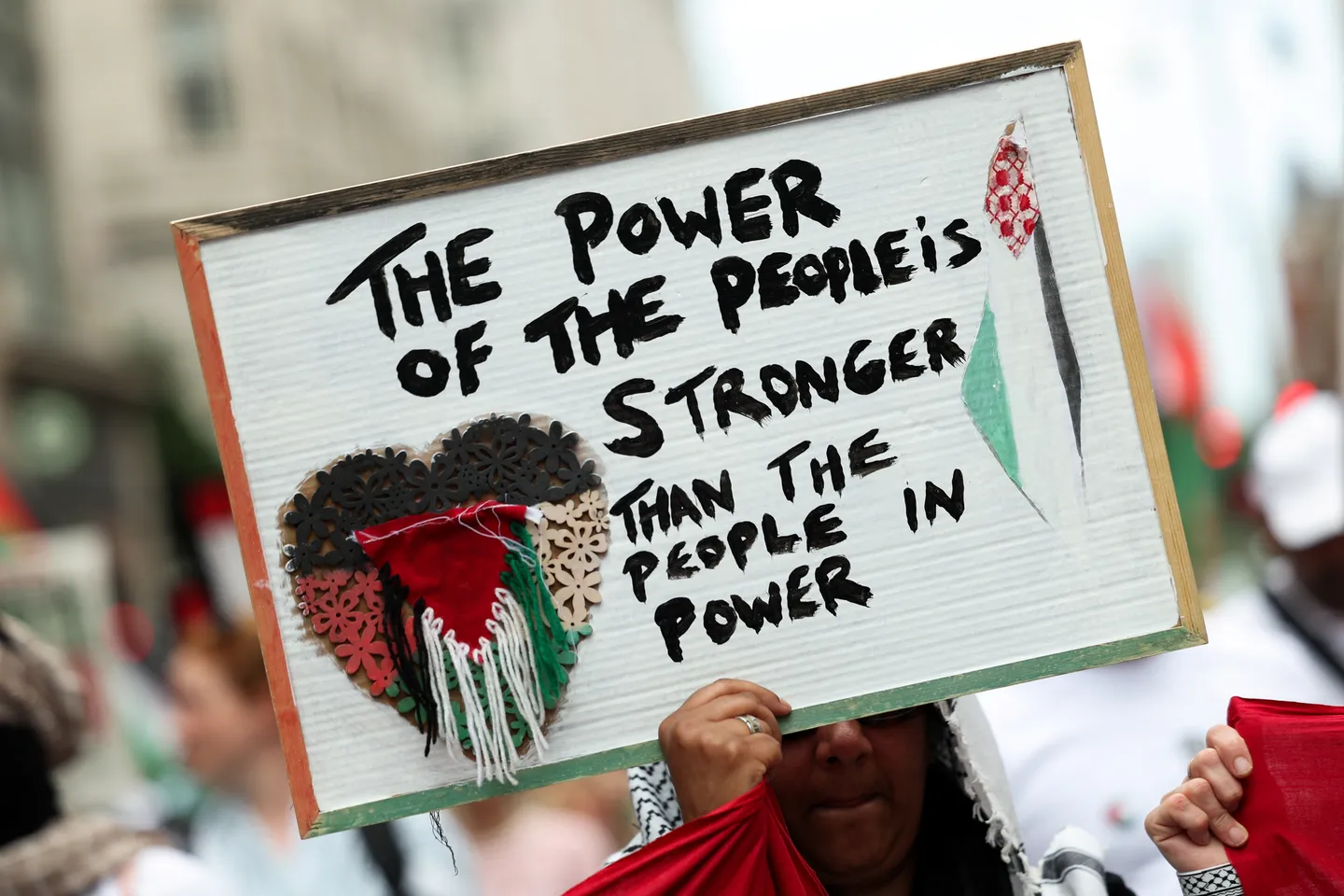
Within the Democratic Party, there is a growing divide between older, traditional supporters and a younger generation of voters and politicians. Many younger Democrats have become increasingly critical of Israel’s policies, particularly regarding the humanitarian situation in Gaza and the treatment of Palestinians. This shift has led to more vocal debates within Congress, with some members calling for stricter conditions on military aid to Israel.
On the other side of the aisle, the Republican Party is also experiencing a transformation. While many Republicans remain staunch supporters of Israel, a growing 'America First' faction is questioning the extent of U.S. involvement in foreign conflicts. Some conservatives argue that the United States should prioritize domestic issues and reduce its financial and military commitments abroad, creating a more complex political landscape for U.S.-Israel relations.
These changes reflect broader trends in American society, where voters are increasingly divided on the role the U.S. should play on the global stage. As the 2024 election cycle continues, candidates are finding it more difficult to maintain a unified position on the Middle East. Political analysts suggest that this issue will remain a significant point of contention in upcoming legislative sessions.
Ultimately, the traditional bipartisan agreement on Israel is no longer as certain as it once was. Whether these shifts will lead to a fundamental change in U.S. foreign policy remains to be seen. For now, both parties must navigate these internal disagreements as they balance international alliances with the changing priorities of the American public.