U.S. and Canada Face Uncertainty Over Upcoming Tariff Negotiations
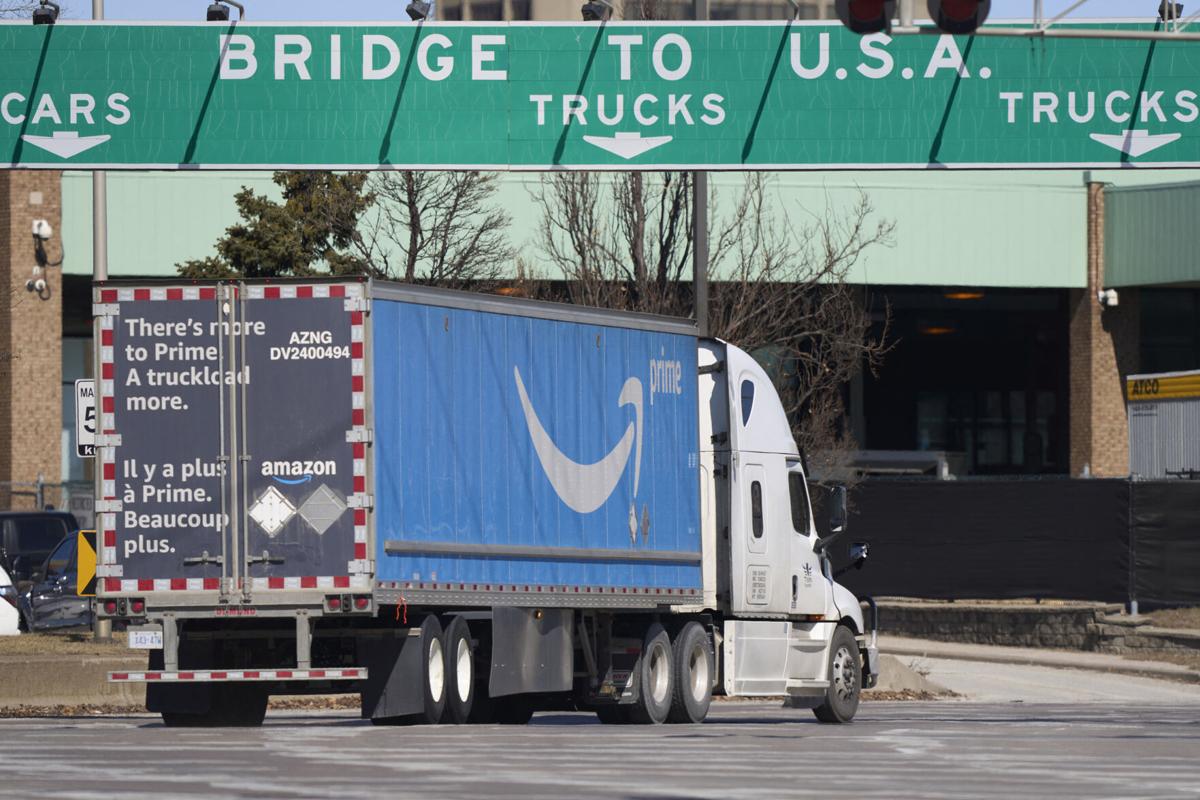
The United States government is currently managing expectations regarding a potential trade agreement with Canada. Officials from the Trump administration have suggested that a last-minute deal to prevent new tariffs is becoming increasingly unlikely as the deadline approaches.
These proposed tariffs are part of a broader strategy by the administration to address trade imbalances and protect domestic industries. If the negotiations do not result in a compromise, the new taxes on imported goods from Canada are scheduled to take effect soon. This situation has created significant uncertainty for businesses and consumers who rely on cross-border trade.
Canada remains a primary trading partner for the United States, and many American companies depend on imported Canadian materials to manufacture their products. Economists warn that if these tariffs are implemented, the cost of goods for everyday Americans could rise. Industries such as construction, automotive manufacturing, and energy are particularly concerned about the potential impact on their supply chains.
As the deadline nears, both nations continue to hold discussions to find a middle ground. However, the current tone from Washington suggests that the administration is prepared to move forward with the tariffs if Canada does not meet specific trade requirements. Observers are closely watching for any official updates from the White House or Canadian trade representatives in the coming days.