Understanding the New U.S.-Venezuela Oil Agreement
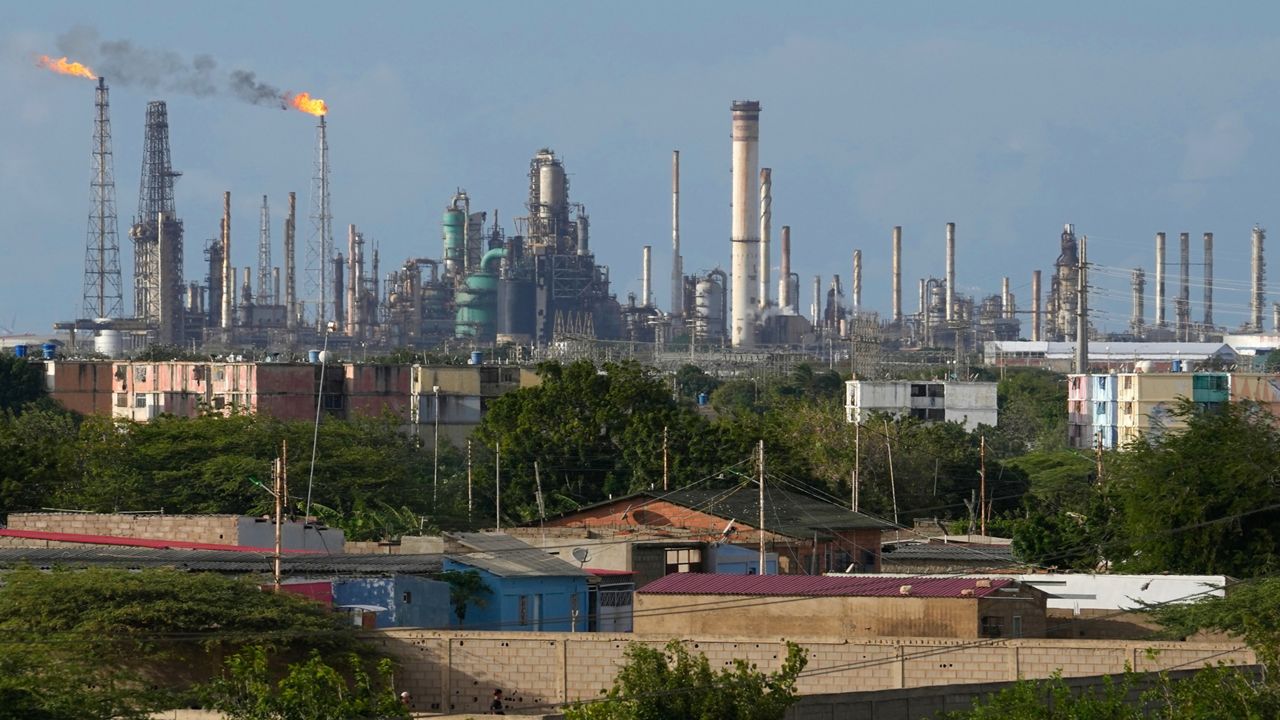
The United States government has recently reached a new agreement with Venezuela regarding access to the country’s vast oil reserves. This deal marks a significant shift in the relationship between the two nations, as the U.S. looks for ways to stabilize energy supplies and manage global market prices.
Venezuela holds some of the largest proven oil reserves in the world. For many years, strict economic sanctions prevented American companies from doing business with the Venezuelan state-owned oil industry. Under this new arrangement, specific licenses have been granted to allow certain energy operations to resume, provided that specific conditions are met.
Energy experts suggest that this move is intended to increase the global supply of oil, which could help lower fuel costs for American consumers. By allowing more oil to enter the international market, the U.S. government hopes to reduce the influence of other major oil-producing nations and improve energy security at home.
However, the deal remains controversial. Critics point to ongoing political challenges within Venezuela and express concerns about how the revenue from these oil sales will be used. The U.S. administration has stated that they will continue to monitor the situation closely and may adjust these policies if democratic progress is not made.
As this situation develops, the impact on U.S. gas prices and foreign policy will become clearer. For now, the agreement represents a careful balance between the need for energy resources and the complexities of international diplomacy.